

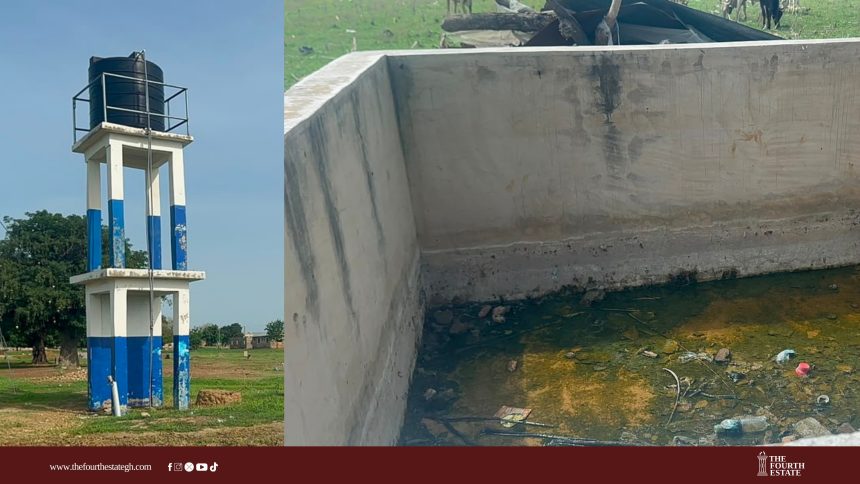
Two irrigation projects built at a cost of more than GHS201,000 in Bolgatanga in the Upper East Region have failed to provide enough water for farmers to cultivate crops during the dry season.
The mechanised boreholes were constructed in 2024 in the Amogrebisi and Daweo communities under the World Bank-funded Gulf of Guinea Northern Regions Social Cohesion Project, known as SOCO.
They were intended to provide a reliable supply of water for vegetable farming and help residents earn income throughout the year.
But farmers say the systems produce too little water and cannot reach the areas where they cultivate their crops.
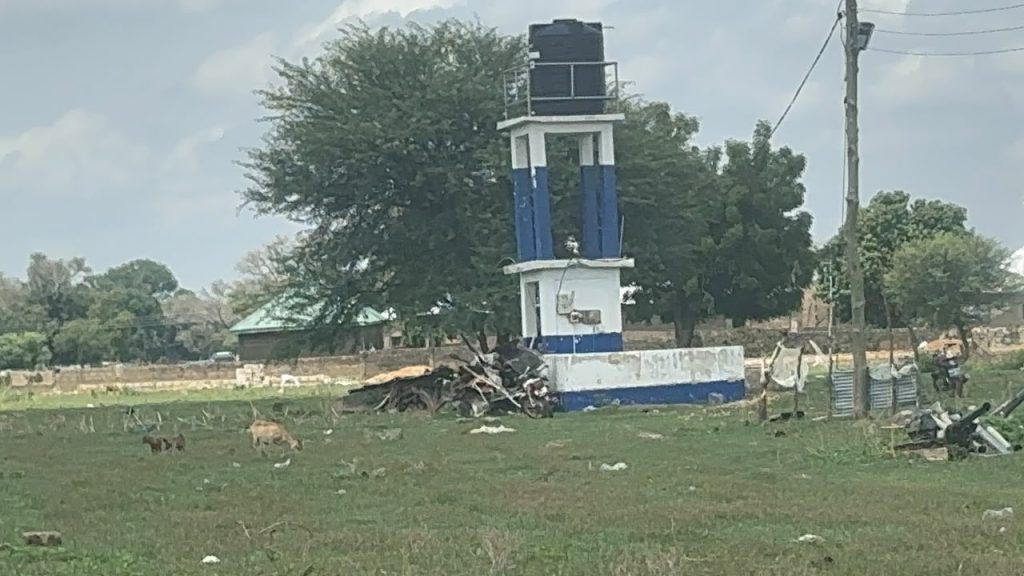
“The project is not giving us the water we need for dry-season farming,” said Atubiga Ernest, a 45-year-old farmer in Amogrebisi.
Another farmer, Abisibo Akolgo, said: “The water from this project cannot even reach where we farm.”
The two projects cost a combined GHS201,599.50.
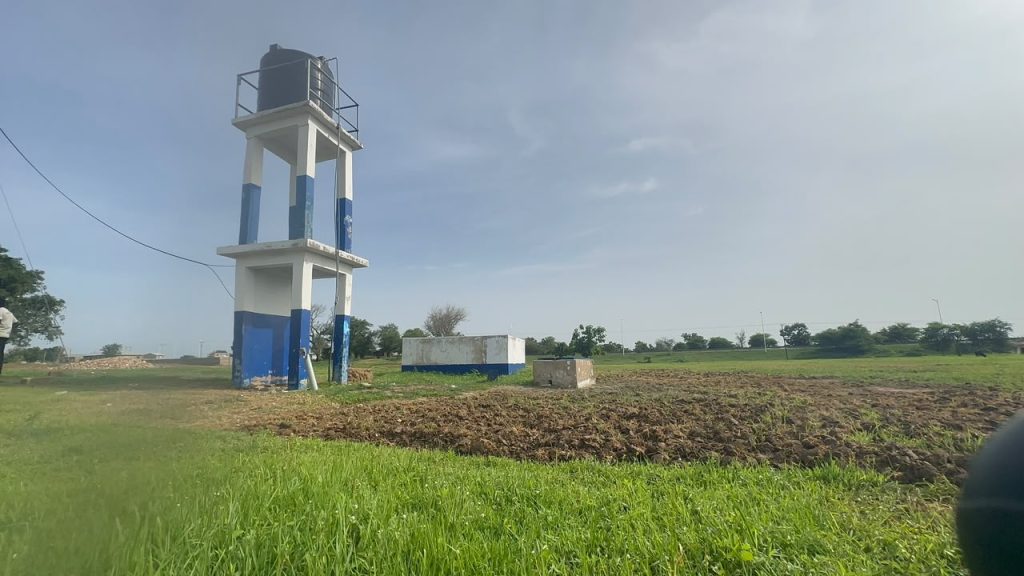
Farmers say they were not consulted
Farmers in both communities told The Fourth Estate that they were not properly involved in the planning and design of the projects.
Afedo Asoria, a vegetable farmer in Amogrebisi, said the facility could have helped families increase their incomes and pay their children’s school fees if it had worked as promised.
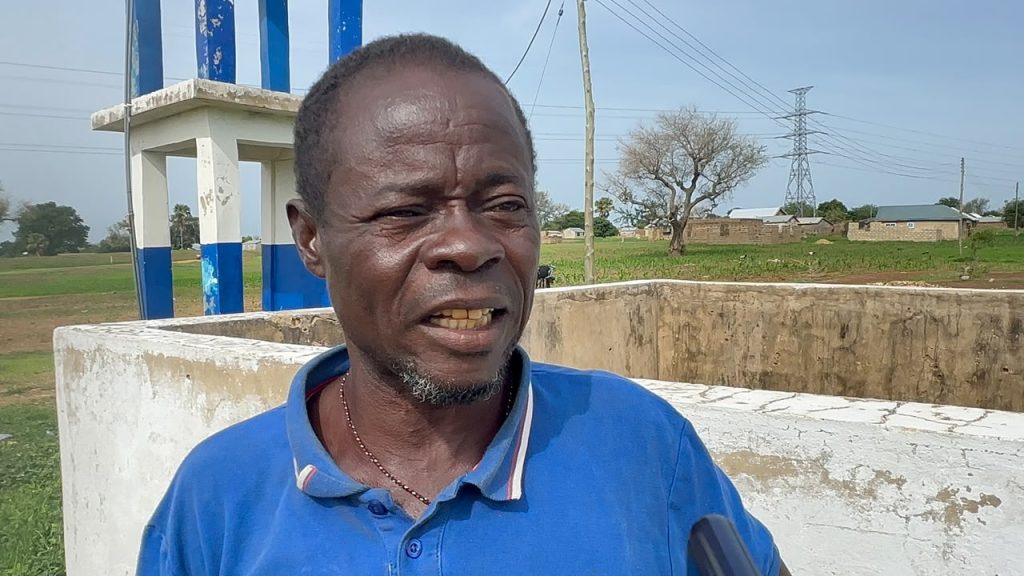
“Nobody consulted us,” he said. “They only informed us that they were bringing a SOCO irrigation project. Had they involved us during planning, we would have suggested ideas that would make it work.”
In Daweo, farmer Akolgo George said the project had failed to serve its intended purpose.
“They might as well remove it instead of saying they provided irrigation for us when we cannot use it,” he said.
James Alagemah, a farmer and plumber, said residents raised concerns as soon as construction began.
He said the three-quarter-inch outlet pipe installed by the contractor was too small to provide enough water for irrigation.
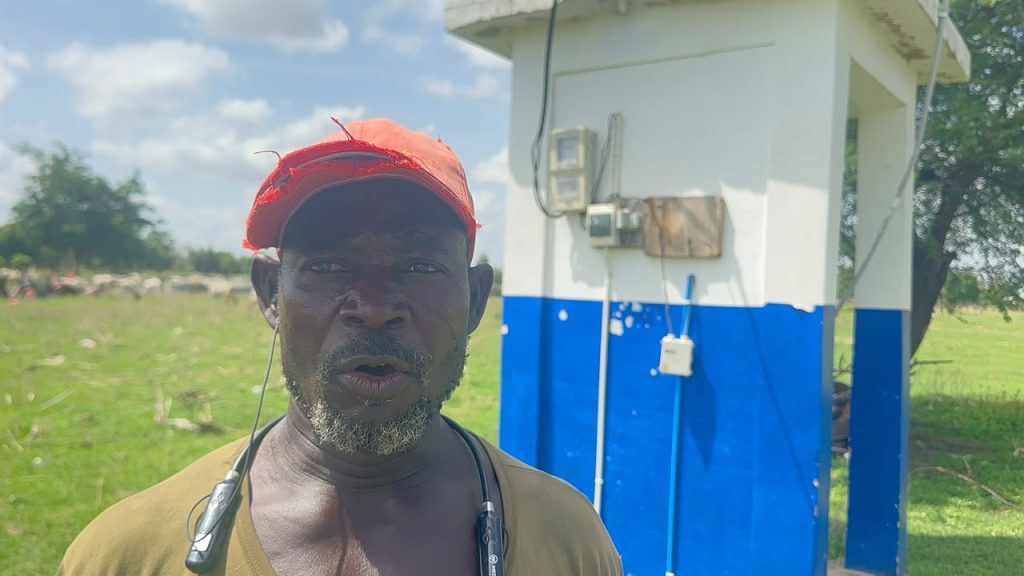
“The moment the contractor started work, we realised the project would fail,” he said.
According to Mr Alagemah, it took between eight and nine hours to fill the tank during the commissioning of the project.
“Imagine 30 to 40 farmers depending on that. How can this support commercial farming?” he asked.
Documents show different tank sizes
An investigation by The Fourth Estate revealed inconsistencies between official documents and what was constructed in the two communities.
Contract documents sighted by The Fourth Estate indicated that each system was to include a 1.5-horsepower pump, irrigation pipelines and an elevated 10,000-litre water tank.
However, records obtained from the Ministry of Local Government, Decentralisation and Rural Development referred to 3,500-litre tanks.
At the project sites, The Fourth Estate found tanks with a capacity of only 350 litres.
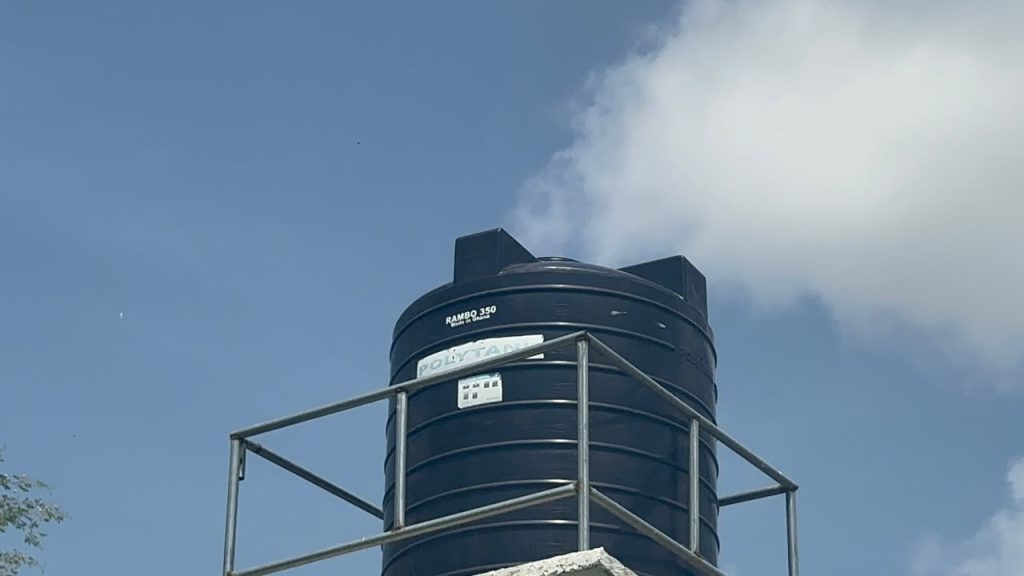
The facilities were also fitted with three-quarter-inch outlet pipes, which experts say were more suitable for domestic water supply than commercial irrigation.
Experts question the design
Hydrologist Richard Abaare said the size of the pipes suggested that the systems were designed mainly for household use.
“The use of a three-quarter-inch outlet pipe suggests the pumps are likely to be one horsepower or even 0.75 horsepower, which is generally designed for domestic use,” he said.
Drilling expert Nyaaba Adongo said commercial irrigation normally required pumps of between 2 and 2.5 horsepower to supply enough water.
The concerns were also raised by former Bolgatanga Municipal Chief Executive, Rex Asanga, who was in office when the projects were implemented.
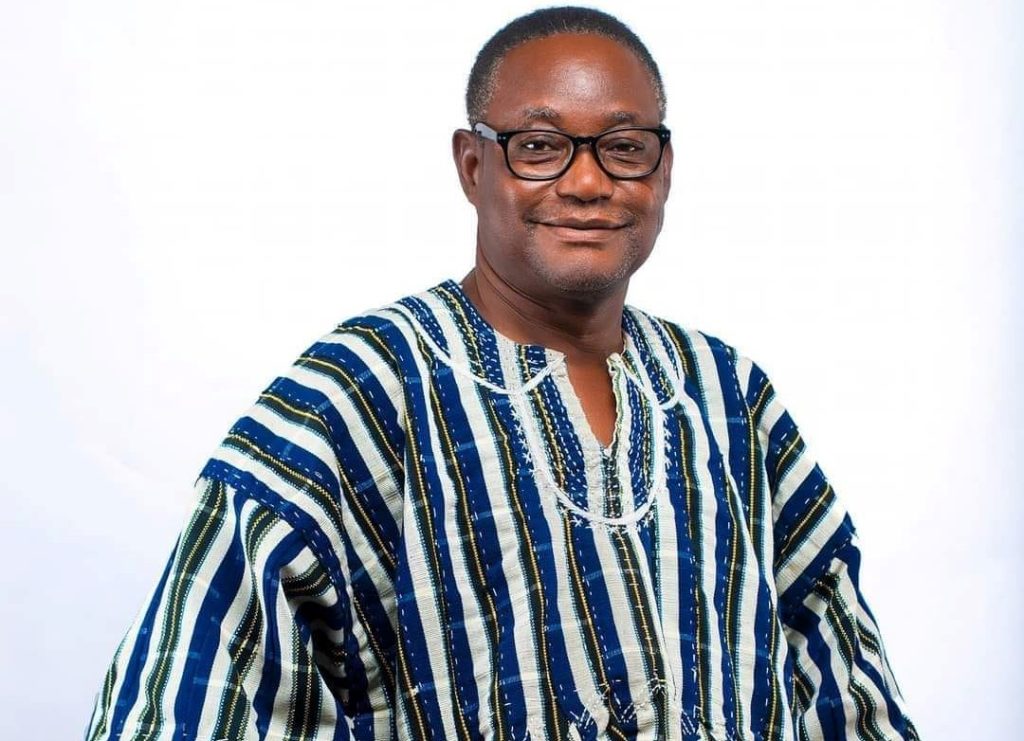
Mr Asanga said the Assembly had originally planned the facilities as irrigation systems after farmers identified water shortages as a major obstacle to dry-season farming.
“The whole concept was to tap underground water to support dry-season irrigation,” he said.
But he said inspections before completion showed that the systems were different from what had been planned.
“When I inspected the projects before completion, I realised the tanks were far too small,” he said.
Mr Asanga said he wrote to the Municipal Planning Officer and Municipal Engineer asking them to explain why the facilities appeared to have been designed for domestic use rather than irrigation.
One of the letters, seen by The Fourth Estate, stated that the completed facilities appeared to be potable water systems.
Mr Asanga regretted that the controversy had damaged the Assembly’s credibility because residents now say they had been given projects that could not meet their needs.
Assembly officials reject criticism
The former Municipal Engineer, Daniel Atchulo, rejected Mr Asanga’s criticism and questioned whether the former Chief Executive had the technical expertise to assess the designs.
Mr Atchulo maintained that the contractor completed the projects according to the approved specifications. He also said he had not received the query letter Mr Asanga said he issued.
The Municipal Planning Officer, Juliana Agyeyomah, declined to respond directly to the concerns raised in the letter.
“I have my personal reservations about this letter,” she said. “If people want to open Pandora’s box, it will not be me.”
She said officials should focus on finding solutions rather than assigning blame.
The current Municipal Engineer, Owusu Emmanuel Kwaku, confirmed that Assembly contract documents provided for 10,000-litre elevated tanks and 1.5-horsepower pumps.
The documents showed that the mechanisation component of each project, including the tank, pump, electrical connections and irrigation pipes, was budgeted at GHS40,000.
The remaining funds covered other construction costs, bringing the total expenditure on the two projects to GHS201,599.50.
Contractor says he followed instructions
The contractor, Osman Murtala of Al-Kahf Company Limited, denied responsibility for the shortcomings.
He said he carried out the work according to the specifications and directions given by Assembly engineers.
“I delivered exactly what was in the contract documents,” he said.
“I worked under the Assembly engineers. Whatever they instructed me to do was what I did.”
The conflicting accounts leave unanswered questions about who approved the final designs and why the facilities built in Amogrebisi and Daweo differed from specifications contained in some official documents.
For farmers in the two communities, however, the immediate concern is that the projects have failed to provide the water they were promised.
The result has been lost farming opportunities, reduced incomes and public money spent on facilities that offer little practical benefit, they say.



Verily verily, the Forth Estate has done a yeo man’s job. He/they, both Menash and Ayinni has dealt and exposed the rot that again has prevail in the District Assembly for a long time without any one questioning and high lighting these underhand Corruption ongoing. Yes, you guys must be applauded for paying your dues on time. Please keep us posted with your God given talent of “the pen and ink” fraternity. Many thanks for the Big exposee on those UN funded projects especially the Damweo and Mogrebisi dry season Irrigation Farming areas.