Our Impact Category: Government Action

  • Road Ministry promises to deploy abandoned bridge components, but dozens remain unaccounted for

    Road Ministry promises to deploy abandoned bridge components, but dozens remain unaccounted for

    The Ministry of Roads and Highways says prefabricated bridge components abandoned in storage will be deployed across Ghana, following The Fourth Estate’s investigation into bridges procured with a £43 million loan.

    But questions remain over more than 40 of the 89 bridges covered by the procurement agreement, which are not accounted for in figures released by the Ministry.

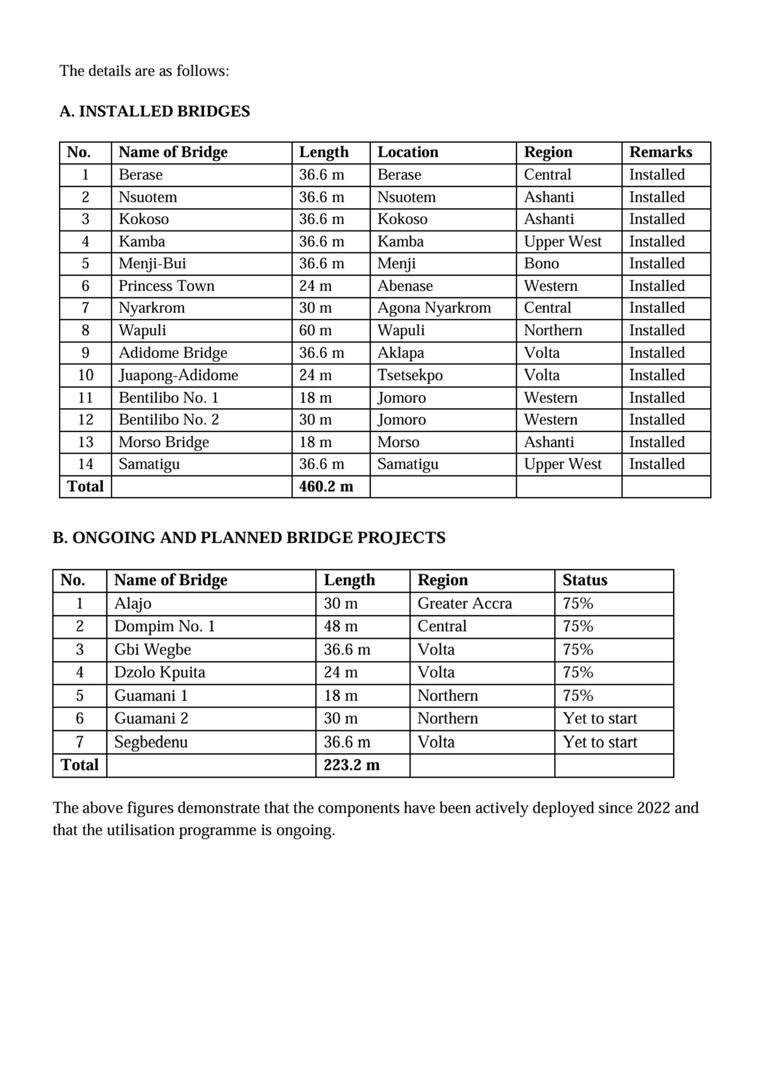
    Less than 24 hours after The Fourth Estate published its investigation, Kojo Danquah, spokesperson for the Minister for Roads and Highways, issued a statement on social media detailing the bridge components the Ministry says have been received, installed, are under construction or remain in storage.
    Mr Danquah said the Ministry welcomed “responsible media coverage” of its activities, but added that “such scrutiny must be accompanied by the full facts to ensure that the public is properly informed”.

    The Fourth Estate spent more than a month trying to obtain those details from the Ghana Highway Authority (GHA) and the Ministry before publication.

    On June 8, 2026, The Fourth Estate submitted a Right to Information request to the GHA, the agency implementing the project, asking how many bridges had been received since the loan was approved in 2020 and where they had been installed.
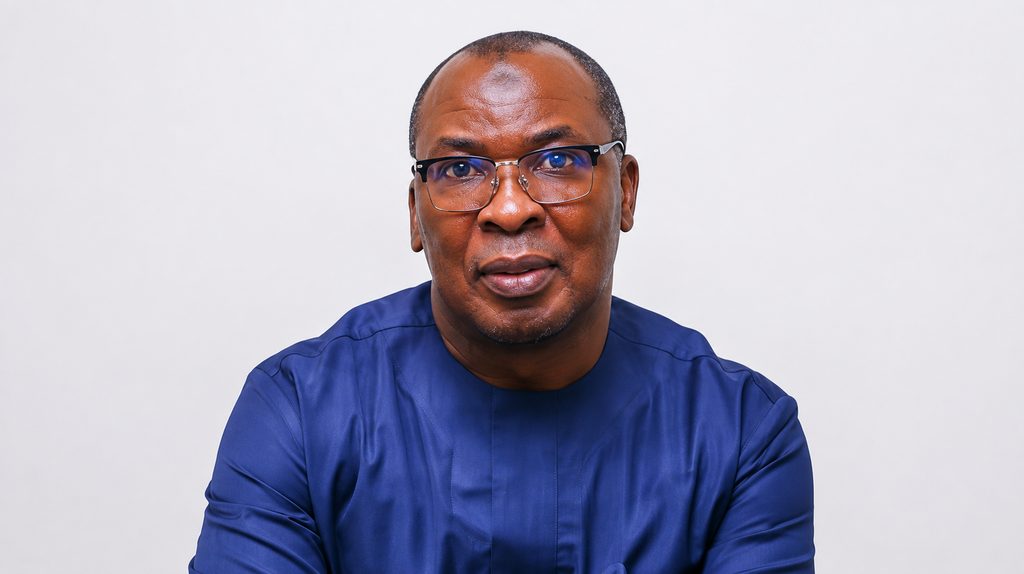
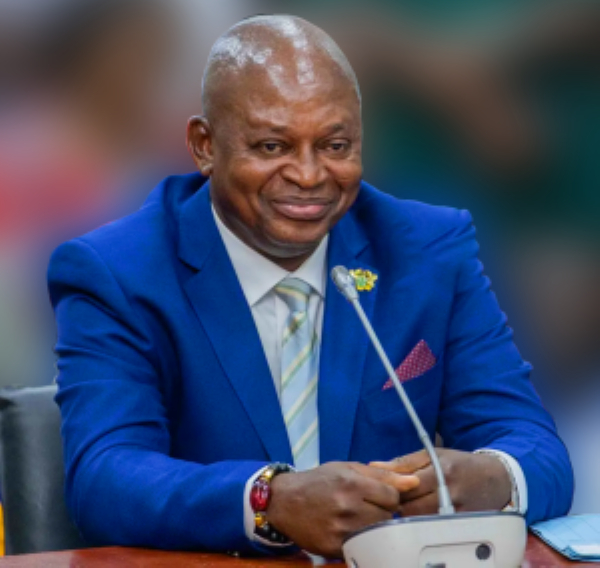
    Chief Executive Officer, Ghana Highway Authority, Ishak Mallam Issah

    After several follow-ups went unanswered, The Fourth Estate filed an internal appeal with the Authority’s Chief Executive Officer, Ishak Mallam Issah, on July 1.

    There was no response.

    An interview request sent to Mr Issah on 17 July also went unanswered. The Fourth Estate then wrote to the Minister for Roads and Highways, Kwame Governs Agbodza, on July 21, but received no response before the investigation was published on August 31, 2026.

    In his statement, Mr Danquah said Ghana had received prefabricated bridge components “equivalent to approximately 1,380 metres” since 2022.

    Spokesperson for the Minister of Roads and Highways, Kojo Danquah

    Under the agreement approved by Parliament, the bridges are two-lane structures measuring 30 metres each. On that basis, 1,380 metres would be equivalent to 46 bridges.

    Mr Danquah confirmed The Fourth Estate’s finding that 460.2 metres of bridge, equivalent to about 15 bridges, had been installed.

    He said a further 223.2 metres were under construction or scheduled for construction, while 640 metres, equivalent to about 21 two-lane bridges, remained in storage and would be deployed.

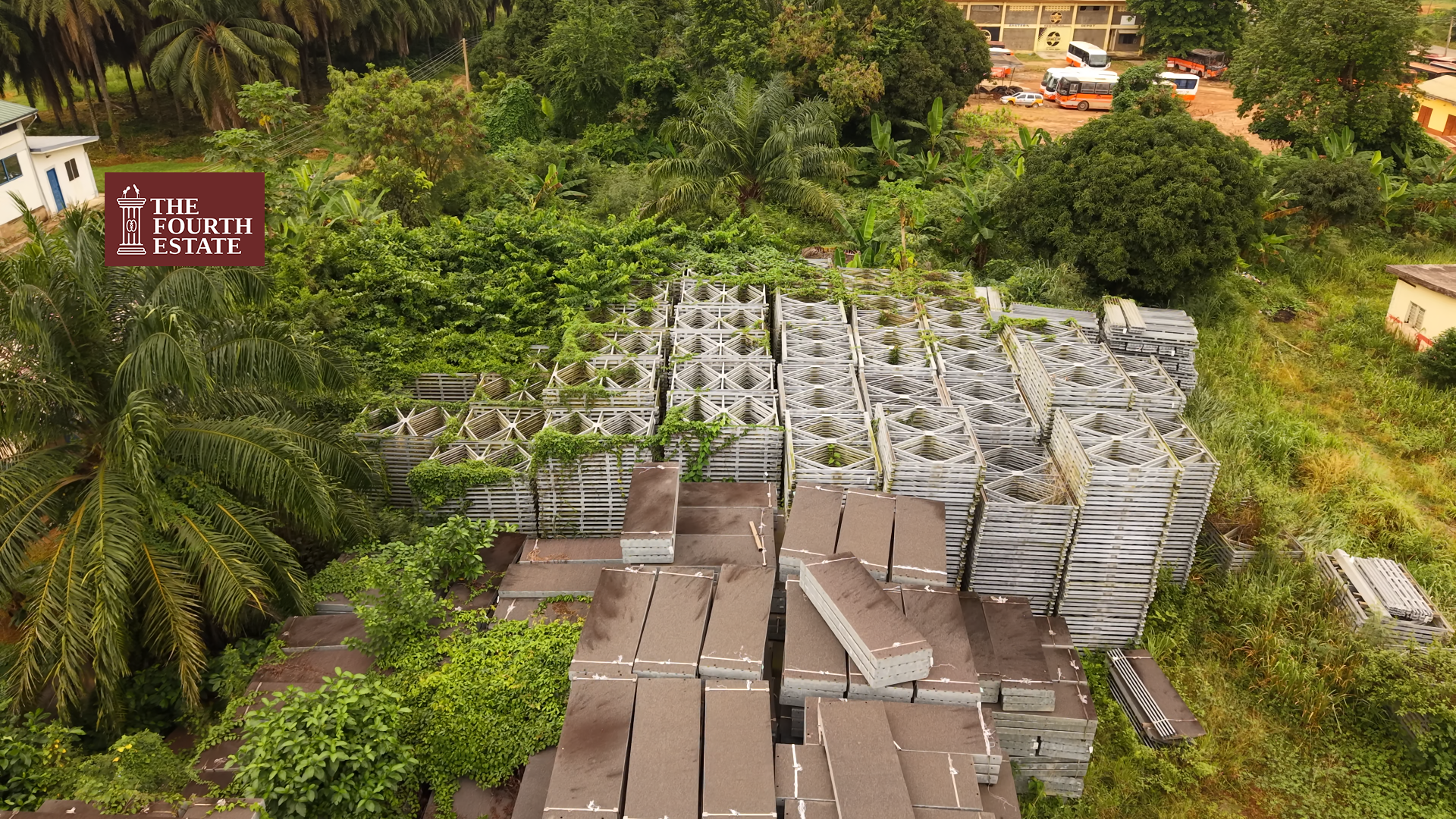
    The figures largely corroborate The Fourth Estate’s finding that substantial quantities of bridge components procured under the loan agreement had remained abandoned in storage.

    But there is a discrepancy in the Ministry’s own figures.

    The three categories provided by Mr Danquah, 460.2 metres installed, 223.2 metres under construction or scheduled for construction, and 640 metres in storage, total 1,323.4 metres. That is 56.6 metres short of the approximately 1,380 metres the Ministry says Ghana has received.

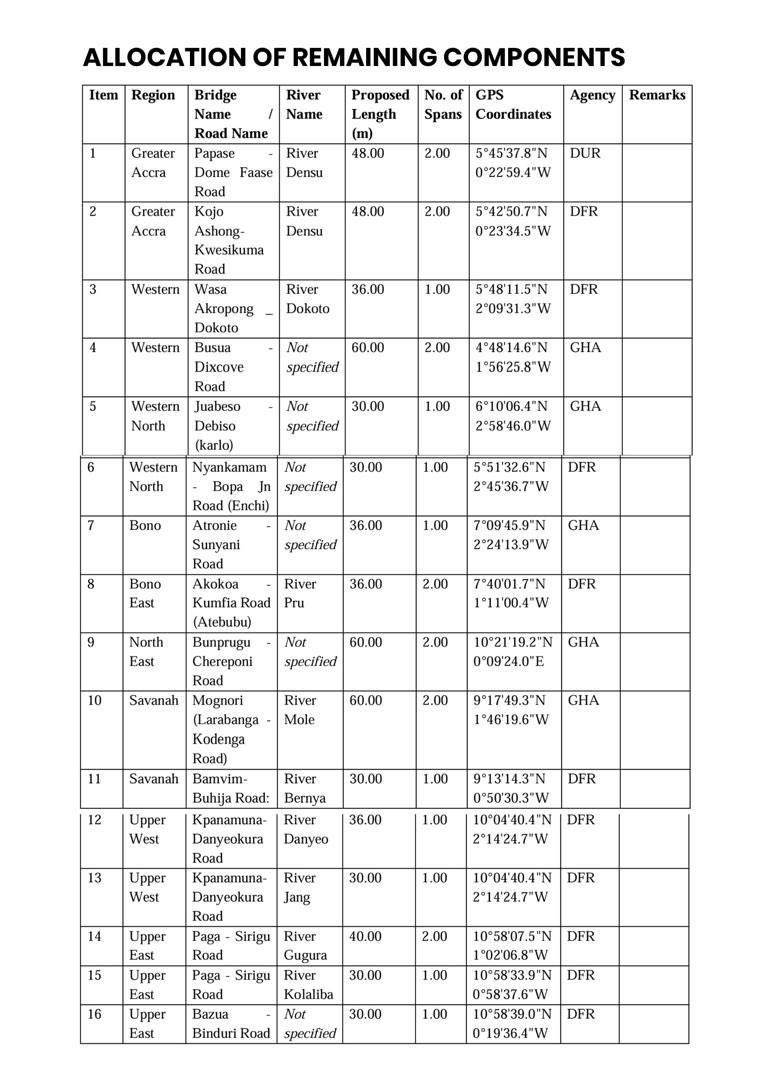
    More significantly, the statement does not account for all 89 bridges covered by the procurement agreement.

    If the 1,380 metres cited by the Ministry is equivalent to 46 standard 30-metre bridges, the delivery status or whereabouts of more than 40 others remains unclear.
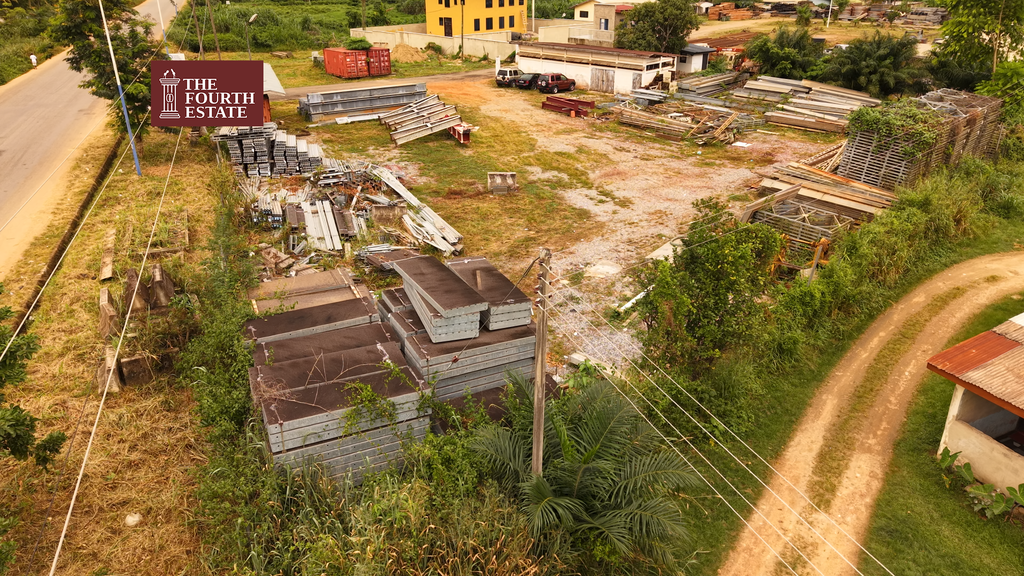
    Prefabricated bridge components abandoned at the Ghana Highway Authority’s Bridge Management Unit in Kukurantumi in the Eastern Region.

    The statement does not say whether those components have yet to be manufactured or delivered, are awaiting shipment, have been sent elsewhere, or are otherwise unaccounted for.

    Bridge components moved after publication

    Hours after The Fourth Estate published its investigation, information was received that some of the components stored at the Ghana Highway Authority’s Bridge Management Unit at Kukurantumi were being moved.
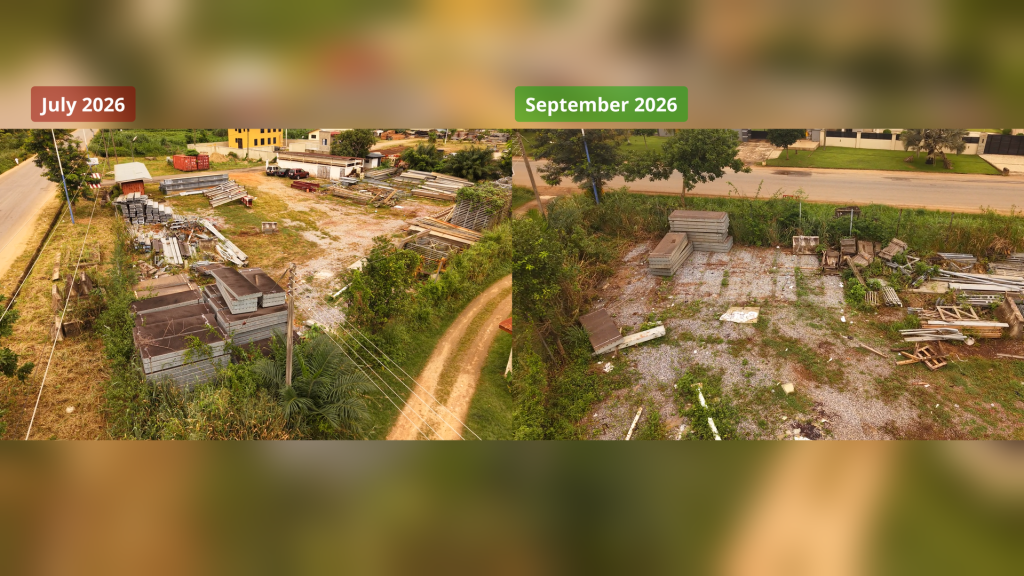
    When reporters visited the facility, some components previously seen at the site were no longer there.

    Several stacks of steel slabs had been removed, along with horizontal beams used to support them. Some girders intended for the outer edges of the bridge decks had also been moved.

    A source familiar with the situation, who asked not to be named, told The Fourth Estate that some of the components had been sent to Dzolokpuita in the Volta Region, while others had been dispatched to the Northern Region for installation.
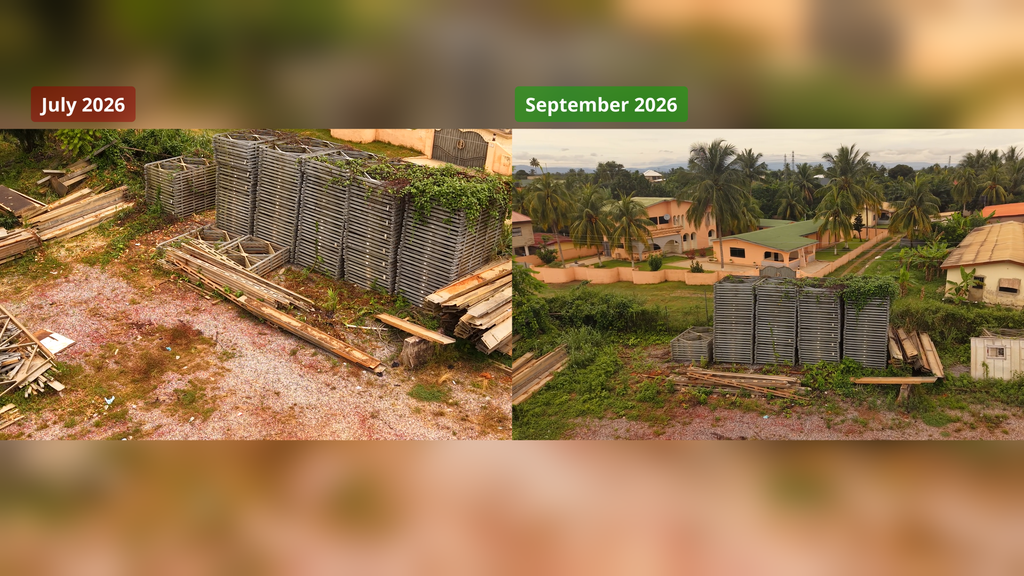
    The Fourth Estate subsequently visited the Ghana Highway Authority’s Bridges Directorate to seek details about the movement of the components.

    The director’s secretary referred reporters to the Authority’s Public Relations Office, where an officer said the head of the unit was unavailable and directed The Fourth Estate to Mr Danquah’s statement.
  • ‘Circle Dubai’ brightens up again after years of darkness

    ‘Circle Dubai’ brightens up again after years of darkness

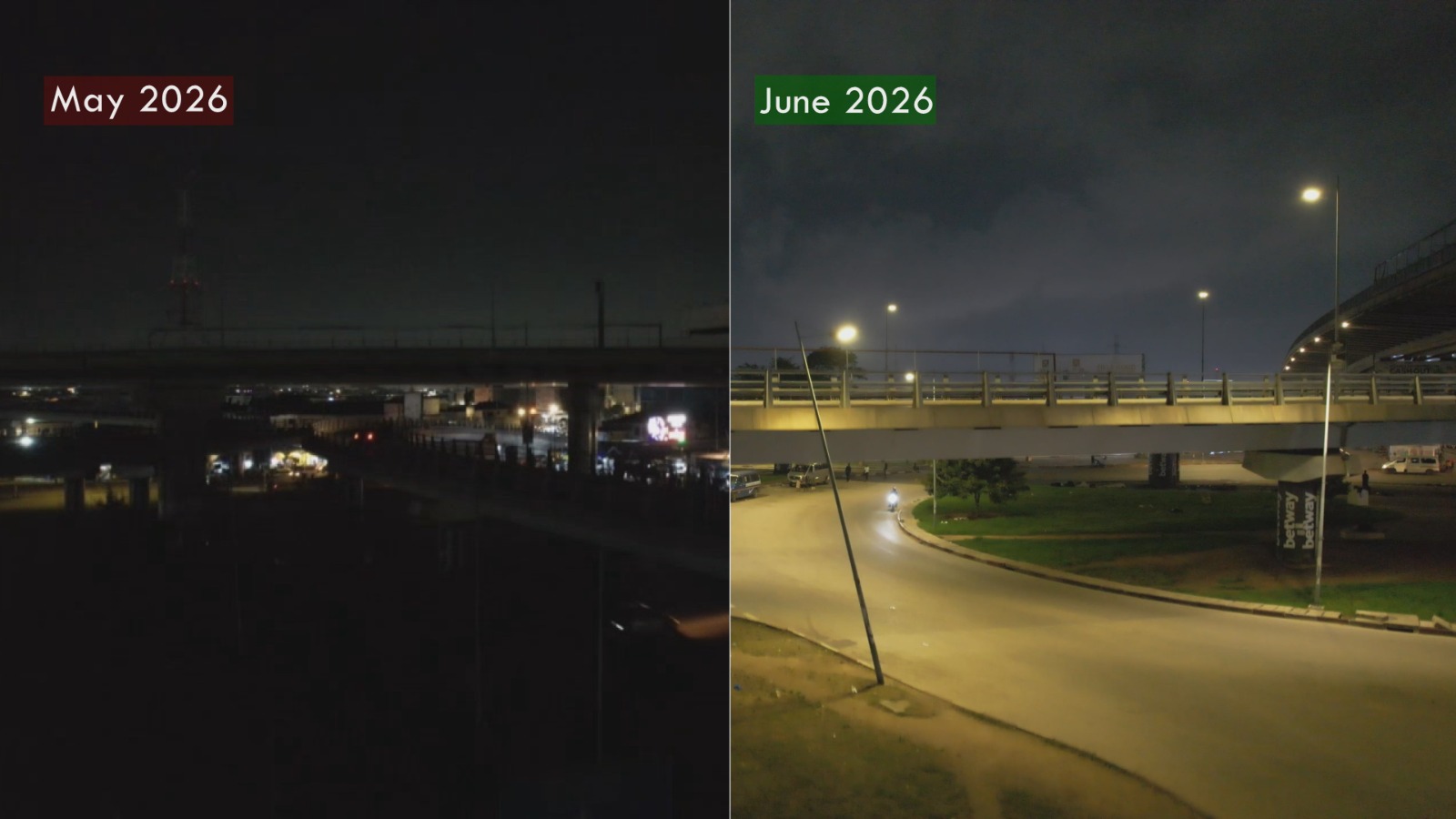
    Streetlights at the Kwame Nkrumah Interchange in Accra, popularly known as “Circle Dubai”, have been restored weeks after a report by The Fourth Estate highlighted the dangers posed by years of darkness at one of the capital’s busiest transport hubs.

    The restored lighting covers sections of the overpass leading to the Neoplan Station, improving visibility for motorists and pedestrians who had long complained about insecurity and poor safety conditions.

    Vendors and commuters say the area has become safer since the lights came back on.

    “We are happy because if you go round, you can see that everywhere is bright. Now people can see what we are selling,” one vendor told The Fourth Estate.

    Another said reports of bag-snatching had declined since the lights were restored.

    “[Previously] when the lights were off, people’s bags were being snatched a lot, but since the lights came on, we haven’t seen or heard such incidents,” the vendor said.

    Drivers also reported improved visibility on roads that had previously been shrouded in darkness.

    The improvements follow a report by The Fourth Estate that documented the deteriorating condition of the interchange’s lighting infrastructure. At the time of the investigation, all streetlights from the overpass to the section leading to Neoplan Station were non-functional.

    Once regarded as one of Accra’s most striking landmarks, the interchange had become dimly lit and increasingly unsafe, with traders reporting frequent thefts and motorists relying on high-beam headlights, creating additional hazards for road users.

    According to the Accra Metropolitan Assembly’s 2024 Road Safety Report, road crash deaths in the capital increased from 88 in 2023 to 118 in 2024, with most fatalities occurring between 20:00 and 22:00.

    The issue drew further attention following the death of 29-year-old Charles Amissah, who was struck by a vehicle at the interchange on 6 February 2025. Although he survived the crash, delays in providing medical treatment proved fatal.

    The Kwame Nkrumah Interchange was inaugurated in November 2016 with illuminated neon features, functioning streetlights, and a fountain park. However, many of the lights began failing within a year, gradually leaving large sections of the interchange in darkness.

    The deterioration raised questions about the management of Ghana’s Public Lighting Levy, a 3% charge included in electricity bills under the Energy Sector Levy Act, intended to fund the installation and maintenance of streetlights and other public lighting infrastructure.

    Government records show that Ghanaians paid about GHS313 million through the levy in 2024 alone. Yet several major streets, roads, and interchanges in Accra, as well as several other towns and cities, are plunged into darkness at sunset as many streetlights are not functional.

  • Peace returns to Anyinasin as excavators leave, ending months of Galamsey tension

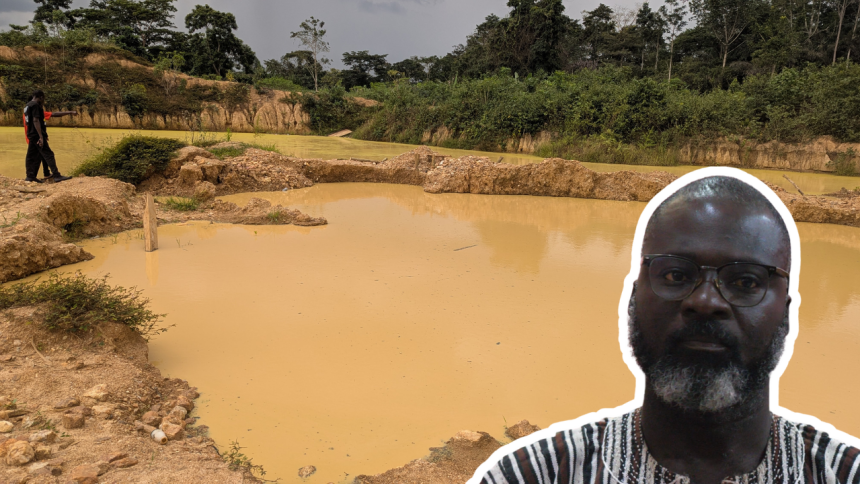
    Peace returns to Anyinasin as excavators leave, ending months of Galamsey tension

    Calm has returned to Akyem Anyinasin in the Eastern Region after months of protests against illegal mining, following an intervention by the Ghana Police Service that led to the removal of excavators from the farming community.

    The excavator relocation has brought relief to residents who feared their farmlands and water bodies were nearing permanent destruction. The move closes a turbulent chapter that had pitched the people of Anyinasin against their chief, Osabarima Attah Appiahkorang Agyei, once hailed as a defender of his people against illegal mining. He inspired a movement that rallied behind him to burn excavators at an illegal mining site. His declaration on Net 2 TV that illegal miners would be met with deadly force if they dared enter his community won him widespread admiration locally and beyond.

    For 87-year-old Maame Abre Nkrumah, a proud cocoa farmer who had watched surrounding villages be decimated by galamsey over the last decade, the chief’s early stance was cause for celebration. She said, “I bowed before him in gratitude and told him you have done well. I am glad we have you as a chief.”  But that reverence would not last.

    The community’s disenchantment began when the chief called a meeting and informed residents that an investor wanted to mine in Anyinasin, urging them to be open to what he called “responsible mining,” provided the investor agreed to carry out development projects in the village first.  

    The chief defended his position, saying he wanted a good hospital, a market, and schools for the people, and that sitting on mineral wealth while his people wallowed in poverty was not an option. He also revealed he had been under pressure from politicians, fellow chiefs, and even pastors to allow mining.

    When the meeting ended without a clear resolution, residents hooted at him in anger as he walked out. They later wrote to invite him to a press conference, but he ignored the letter.

    Even as the debate raged, the village was already bearing the scars of mining. Near a stream that once irrigated farmlands, illegal miners had dug deep, gaping holes — some wide enough to swallow a house — with rainwater collecting in them as stagnant pools. Heaps of crushed stones had replaced cocoa trees and food crops, with the fertile topsoil stripped away and replaced by raw gravel and sand incapable of sustaining agriculture.

    Police Step In, Calm Restored

    The turning point came after publications by The Fourth Estate brought national attention to Anyinasin’s plight. The Ghana Police Service then supervised the relocation of the excavators from the community, a move residents say has transformed the atmosphere in the town.

    Before those publications, community members had lived in constant fear that the illegal miners would dig in permanently and devastate their agricultural lands. The removal of the heavy equipment has, for now, eased those anxieties and stopped what had become a boiling crisis.

    Anyinasin is predominantly a farming community, and its people have made clear that their land is not for sale. Maxwell Larbi, a native who works in Accra, said, “We know that some people want to bring community mining, but we are saying that we are fine with our cocoa cash crop. Many communities around us have destroyed their lands through galamsey. They depend on us for food. We are kicking against any form of mining. We are okay with our cocoa pods.

    While the removal of excavators has brought welcome calm, residents remain watchful.

    For now, Anyinasin breathes again. But its people know the fight to protect their land from galamsey is far from over.

  • Takoradi-Kojokrom railway line resumes service after years of deterioration

    Takoradi-Kojokrom railway line resumes service after years of deterioration

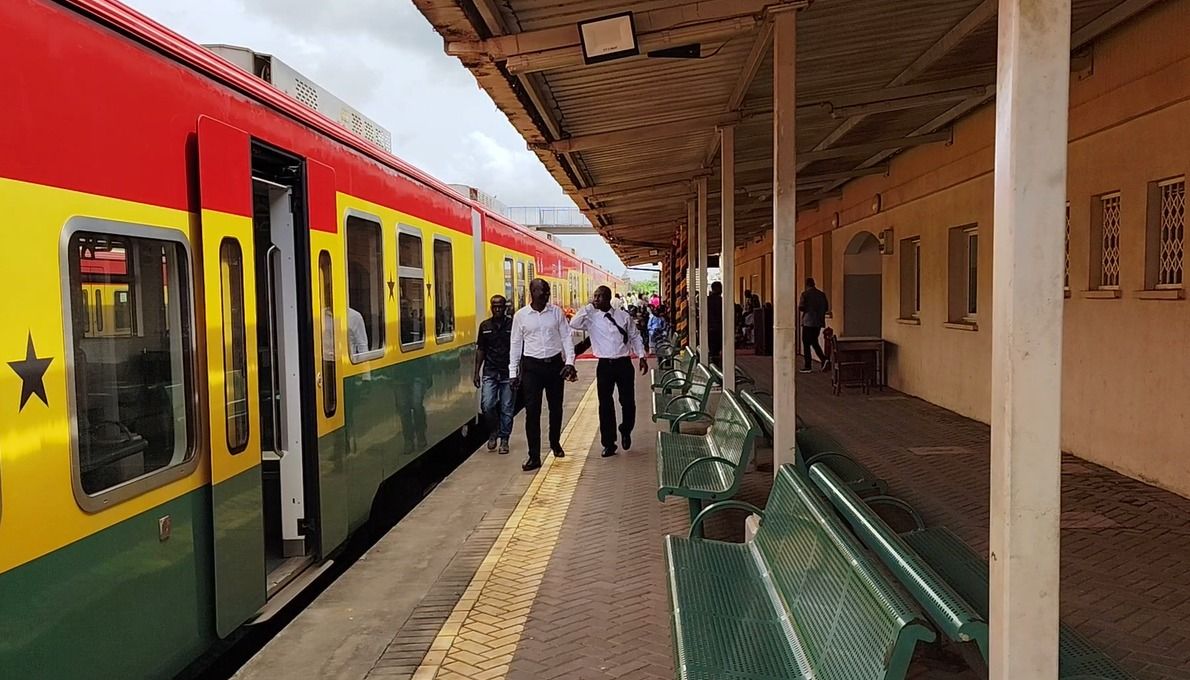
    After years of neglect that left sections of the $165 million Kojokrom-Takoradi railway line dormant and deteriorating, the line has resumed services.

    Eight months after The Fourth Estate drew attention to the state of the line, the Ministry of Transport revived it, much to the relief of thousands of commuters in Sekondi-Takoradi.

    Speaking to journalists in Kojokrom last Thursday, the Minister for Transport, Joseph Bukari Nikpe, said the line had been fully renovated on the orders of President John Mahama.

    “We have ensured that we have repaired and revamped that rail line, and our intention is for us to relaunch it tomorrow so that it will continue to provide passenger services to the people in and around the Takoradi to Kojokrom municipalities,” he said.

    Minister for Transport, Joseph Bukari Nikpe

    Rusted Dreams: $165M Kojokrom-Takoradi railway project left to decay

    The announcement comes on the back of The Fourth Estate’s report in August 2025, which highlighted the deterioration of the railway line. At the time of the visit to Kojokrom, the team met a station buried in silence. The metal mesh seats at the station had rusted. Weeds were creeping over the roof of the building. And spiders had woven detailed cobwebs. At the Sekondi station, the rail tracks had been overrun by weeds. The premises had been turned into a playground. And sections of the station’s roof had ripped off. The residents yearned to hear the whistling and the humming of the trains once again.

    At the time, authorities were uncertain about the timelines for the resumption of service.  

    The spokesperson for the Ghana Railway Development Authority (GRDA), Sahadatu Alhassan, told The Fourth Estate that the shutdown was due to issues between GRDA and the Ghana Railway Company. She, however, would not give details.

    When pressed for the exact time the line will be operationalized, she said “no matter how many times you bring back this question, what I would say is we are working on it and everything will be resolved. You will see it run again; when, I cannot say, but we are doing our best.”

    However, eight months later, things have changed rapidly.  

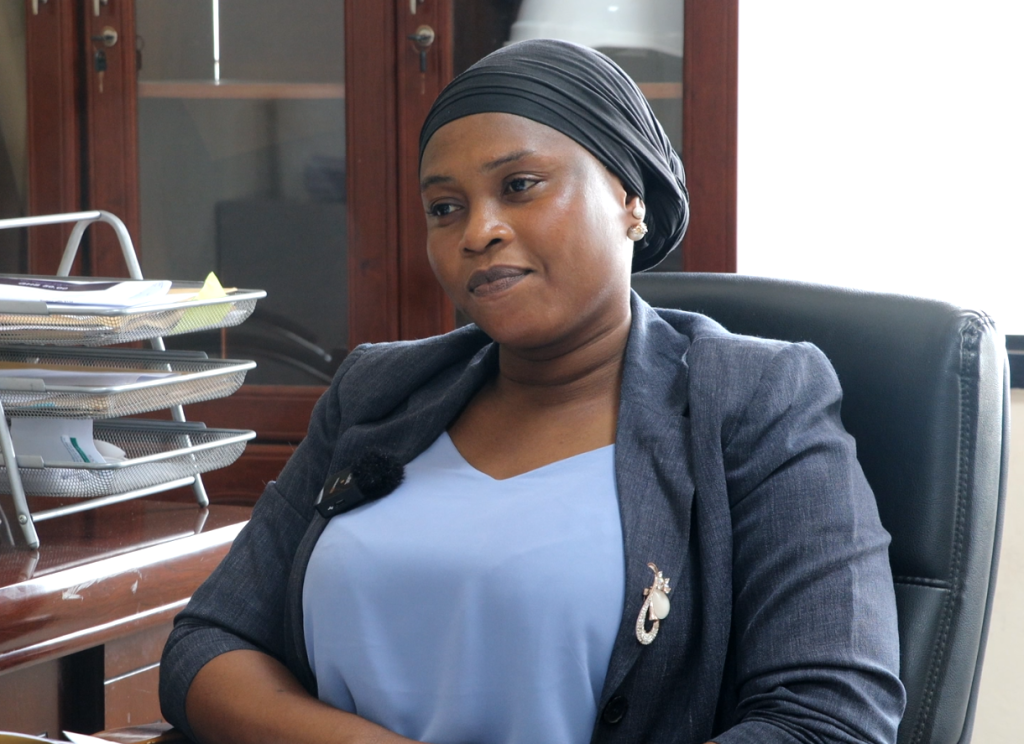
    Sahadatu Alhassan, P.R.O, GRDA.

    Miss Alhassan confirmed to The Fourth Estate that the government had indeed relaunched the rail line yesterday.

    “As I’m speaking to you, we are having a free ride from Kojokrom to Sekondi. Passenger service will begin on Monday,” she said.

    The authority had been silent about the matter until last Thursday, when the Minister disclosed that apart from renovating the train stations and the rail lines, they had also settled the rail workers’ salary areas.

    “As we talk today, we have been able to pay eight months of those salary arrears that we inherited and we are working hard; by the end of this month, we are going to clear the rest of the arrears for all our railway workers,” he said.

    The Takoradi-Kojokrom line is part of the Western Railway line, which used to be the major route for the transportation of passengers and bulk commodities such as manganese, bauxite, and cocoa to the Takoradi Port for export.

    Currently, only two railway lines are active in Ghana. The Takoradi-Kojokrom line and the Tema-Mpakadan line, which was completed in 2024.

  • President Mahama directs renegotiation of the terrible NLA-KGL deal

    President Mahama directs renegotiation of the terrible NLA-KGL deal

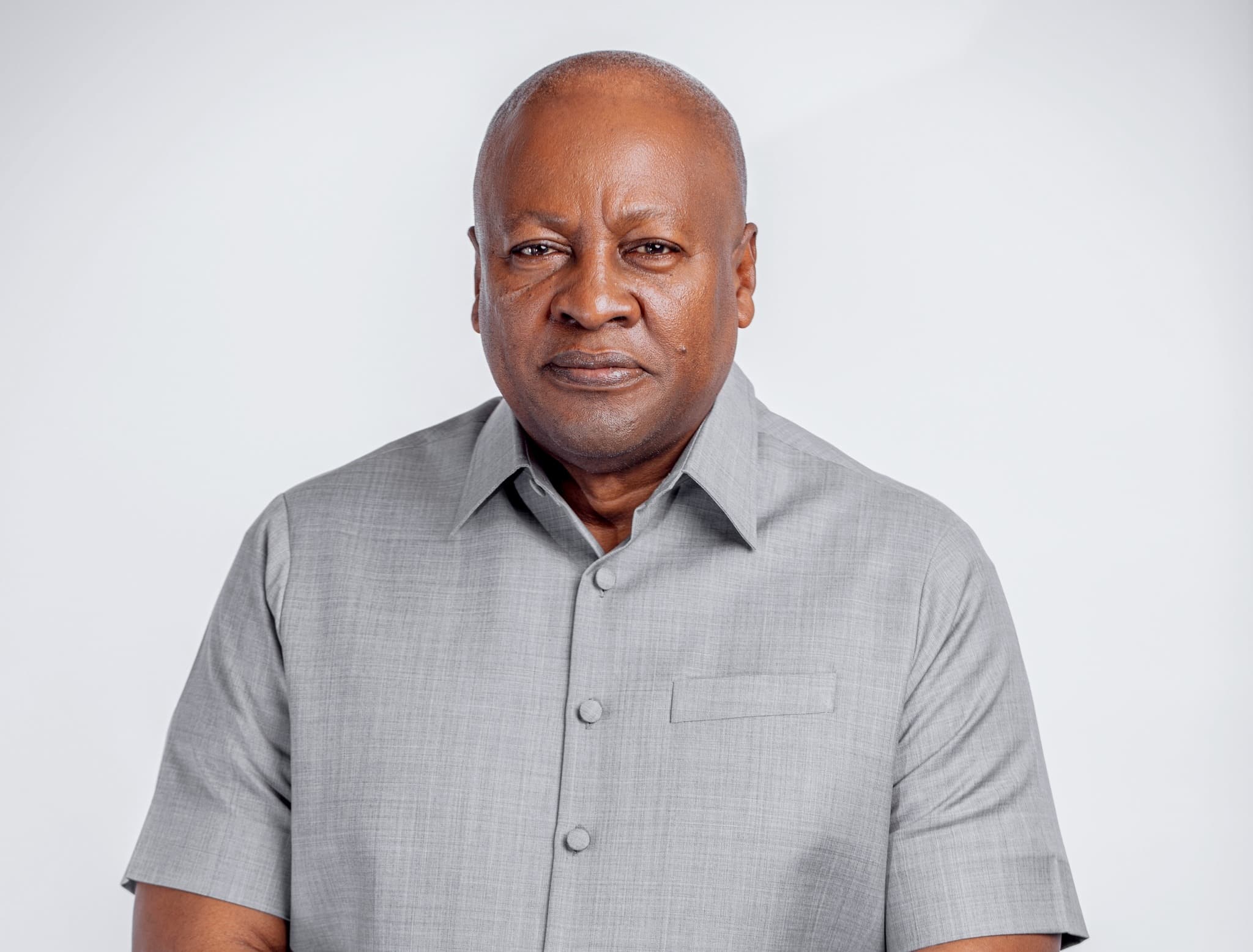
    President John Dramani Mahama has directed an immediate renegotiation of the contractual relationship between the National Lottery Authority (NLA) and KGL Technology Limited.

    The President’s directive follows the conclusion of the work of a committee he set up in December last year to conduct a comprehensive review of the controversial contracts between the NLA and KGL Technology Limited. 

    A letter The Fourth Estate has sighted indicates the committee concluded that while the terms of the current agreement with KGL are not illegal, “the revenue-sharing structure is not financially advantageous to the Republic.”

    The President’s decision comes on the back of The Fourth Estate’s investigations, which uncovered questionable arrangements that allowed the NLA to receive only GHS 157.6 million out of the GHS 3 billion revenue KGL earned in 2024.

    In line with the committee’s recommendations, the President has also ordered a comprehensive review of the country’s lottery and gaming laws to align them with global technological trends and industry best practices.

     Additionally, he wants measures to be introduced to protect the livelihoods of NLA coupon-based vendors, many of whom operate from kiosks across the country.

    Background

    In 2019, the then Director-General of the NLA, Kofi Osei Ameyaw, signed a controversial three-year contract with KGL Technology Limited to operate the NLA’s 5/90 lottery online via a USSD code. Based on the terms of the 2019 contract, KGL would have paid the NLA a total of GHS 600 million, being 20% of the GHS 3 billion the company earned as gross revenue in 2024—a figure the Group Chairman of KGL, Alex Dadey Apau confirmed to The Fourth Estate.

    Upon expiration of the contract in 2022, Samuel Awuku (who succeeded Osei Ameyaw as director general) and his board renewed the contract with KGL for a 10-year period.

    But before the expiration of the 10-year period, Mr.  Awuku and his Board, chaired by Gary Nimako Marfo, in 2024, signed a new contract with KGL, granting the company exclusive rights to operate the 5/90 lottery online via USSD. This new contract is for 15 years (from 2024 to 2039) with an automatic renewal for another five years.

    Mr. Awuku and his board also signed two other contracts for KGL to operate the 5/90 online lottery in Nigeria and Cote d’Ivoire. These two contracts were for 10 years each.

    The Fourth Estate’s investigations revealed that annual revenue to KGL from the NLA’s 5/90 online lottery in 2024 alone was over GHS 3 billion or over GHS 250 million each month.

    Under the terms of the deal, however, KGL was supposed to pay a total of just GHC157.6 million to NLA in 2024, for all three contracts in Ghana, Nigeria, and Côte d’Ivoire. This amount was to be increased annually by just 10% each year. The amount that was to be paid in 2024 represented a paltry 5.2% of the revenue KGL generated from the NLA’s prime business.

    The National Lotto Act, 2006 (Act 722) does not allow any private company to operate any form of lottery in Ghana. It makes the operations of the lottery in Ghana the sole preserve of the NLA. Section 4(1)-(2) of the law states: “A person other than the Authority shall not operate any form of lottery.”

    “A person who contravenes subsection (1) commits an offence and is liable on summary conviction to a fine of not more than two thousand five hundred penalty units or imprisonment for a term of not more than three years or both.”

    The law, however, requires the NLA to contract private companies to sell lottery as Lotto Marketing Companies (LMCs).

    The NLA Act also requires that all proceeds from the sales of lottery by LMCs should be paid into what is called the Lotto Account of the NLA. From this account, the NLA is then supposed to pay stipulated commissions to the LMCs.

    The Fourth Estate’s investigations, however, revealed that NLA’s deals with KGL are unusual at best, and illegitimate at worst. First of all, KGL’s revenues do not go into the Lotto Account. In fact, the NLA does not even know how much KGL makes in sales. Secondly, while the law requires all LMCs to be paid a commission by the NLA, under the current deal, KGL is paying the NLA what the licence agreement describes as “revenue share.”   

    In 2024, the NLA was paying LMCs a commission of 25% on their sales. In these exclusive and monopolistic contracts, what KGL paid the NLA in 2024 amounted to just 5.2% of the company’s 2024 revenue.    

    Meanwhile, official documents from the State Interests and Governance Authority (SIGA) have revealed that NLA’s revenues have been on a steep decline from GHS 366 million in 2015 to GHS 296.58 million in 2023.

  • The Fourth Estate submits report on Big Push investigation to Office of the President

    The Fourth Estate submits report on Big Push investigation to Office of the President

    The Media Foundation for West Africa yesterday submitted a detailed report to the Office of the President on The Fourth Estate investigations into the abuse of sole-source procurement method in the award of contracts under the Big Push Programme.

    This follows President John Mahama’s request that his office obtains a full report on the investigations. He made the request during his interactions with heads of civil society organisations on March 30, 2026, where he added that his office will conduct a study on the details of our report.

    At the same event, the President further directed the Minister of Roads and Highways, Kwame Governs Agbodza, to respond to the findings of The Fourth Estate investigations.

    Background

    The Fourth Estate’s latest investigation revealed how the Ministry of Roads and Highways had resorted mainly to the award of contracts under the Big Push programme through sole-sourcing.

    It also revealed that out of 107 road contracts awarded under the Big Push programme, 81 were sole-sourced, and the remaining 26 awarded on restricted tendering basis, with none awarded under competitive tendering.

    The story also showed a glaring contrast between the promises and pledges by President Mahama and other key government officials to limit the abuse of sole-sourcing on the one hand and, on the other hand, the Ministry of Roads and Highways’ supervision of the award of 76% of contracts for the government flagship project through sole-sourcing.

    Subsequent reports also questioned the cost per kilometre of road contracts awarded under the Big Push Programme, particularly the 46-kilometre Dodo-Pepesu-Nkwanta Road, which was initially constructed at the cost of €25.9 million but has now shot up to more than €63 million for rehabilitation.

    The reports also raised issues about how Growth 82 Global Ltd, a company registered in January 2025, was awarded a multi-million-euro contract for the rehabilitation of the Dodo Pepesu-Nkwanta in December 2025.

    The Fourth Estate also revealed that Build Managers, the company awarded the contract to upgrade the nine-kilometre Apegusu–Mpakadan feeder road at a cost of more than GHS146 million, indicated on its Social Security and National Insurance Trust (SSNIT) clearance certificate that it had only one employee. Similarly, Sanam Ghana Limited, which is undertaking the upgrade of the Todome–Toh Kpalime–Dzemeni feeder road and the Dzemeni town roads, listed just four employees on its SSNIT clearance certificate—raising questions about the pre-contract qualifications of some of these companies.

    The Fourth Estate is a non-profit, public interest and accountability investigative journalism project of the Media Foundation for West Africa (MFWA). 

  • Mahama demands answers from Roads Minister over sole-sourced contracts

    Mahama demands answers from Roads Minister over sole-sourced contracts

    President John Dramani Mahama has directed the Minister of Roads and Highways, Kwame Governs Agbodza, to respond to concerns over sole-sourced contracts under the Big Push programme. The directive follows The Fourth Estate’s latest investigative report and requires a detailed response including a breakdown of contracts for the Presidency.

    “Although we have seen snippets of the investigation from the media, I have instructed my office to obtain the full detailed report from the Fourth Estate and to conduct a study of the various allegations presented in the report,” the President said during a dialogue with civil society organisations at the Jubilee House in Accra, on Monday.

    According to the President, while sole-sourcing is allowed under certain circumstances by the country’s procurement laws, “we would all agree that open, transparent tenders are always preferable for achieving competitive pricing and value for money.”

    The President also said the procurement law would be reviewed to limit the use of sole-sourcing.

    The President’s directive follows The Fourth Estate’s latest publication, which showed how the Ministry of Roads and Highways under Kwame Governs Agbodza had resorted mainly to the award of contracts under the Big Push programme through sole-sourcing.

    The Fourth Estate revealed that out of 107 road contracts awarded under the Big Push programme, 81 were on a sole-sourcing basis and 26 on restricted tendering, with none awarded under competitive tendering.

    The story also questioned past rhetoric of some members of the current administration, including Mr Agbodza, who criticised the Akufo-Addo administration for using sole-sourcing to fleece the state. In contrast, the current road minister supervised the award of 76% of contracts under sole-sourcing. 

    Subsequent reports also questioned the cost per kilometre of road contracts awarded under the Big Push Programme, particularly the 46-kilometre Dodo Pepesu-Nkwanta Road, which was initially constructed at the cost of €25.9 million but has now shot up to more than €63 million for rehabilitation.

    The Fourth Estate also raised issues about how Growth 82 Global Ltd, a company registered in January 2025, and was awarded a multi-million-euro Dodo Pepesu-Nkwanta road for rehabilitation in December 2025.

    That is not all. Build Managers, the company awarded the contract to upgrade the nine-kilometre Apegusu–Mpakadan feeder road at a cost of more than GHS146 million, indicated on its Social Security and National Insurance Trust (SSNIT) clearance certificate that it had only one employee.

    Similarly, Sanam Ghana Limited, which is undertaking the upgrade of the Todome–Toh Kpalime–Dzemeni feeder road and the Dzemeni town roads, listed just four employees on its SSNIT clearance certificate—raising questions about the pre-contract qualifications of some of these companies.

    Ministry’s response to the story

    In response to The Fourth Estate’s findings, the Minister of Roads and Highways, Kwame Governs Agbodza, told Parliament that the ministry had awarded more than 400 road contracts, including those under the Big Push programme, through competitive bidding—without providing evidence to support the claim.

    In an apparent attempt to discredit the story, the ministry published a list of 54 road contracts it had awarded, but notably omitted the procurement methods used.

    An analysis of the published contracts shows that seven were awarded through selective tendering, while a staggering 47—representing 87%—were sole-sourced.

    The report has triggered demand for accountability among a section of the public and civil society organisations, who are questioning the government’s commitment to limiting the use of sole-sourcing for government procurement.

    While key figures in the current administration, including Sammy Gyamfi, then National Communications Officer of the National Democratic Congress (NDC); North Tongu MP Samuel Okudzeto Ablakwa, and the Minister of Roads and Highways, Kwame Governs Agbodza, previously condemned sole-sourcing as a breeding ground for corruption, the President, in two State of the Nation Addresses, committed his government to using the method only in rare instances.

    YOU MAY ALSO WANT TO READ

    Disregard for President’s vow for prudence: Ministry awards 81 sole-sourced contracts worth over GHS73 billion in 7 months

    Big Push: Here’s how much we’re paying for every kilometre of road

    Full disclosure: List of Big Push sole-sourced contracts

  • Medical Kalabule: Ministry of Health to set up probe committee, The Fourth Estate pledges support

    Medical Kalabule: Ministry of Health to set up probe committee, The Fourth Estate pledges support

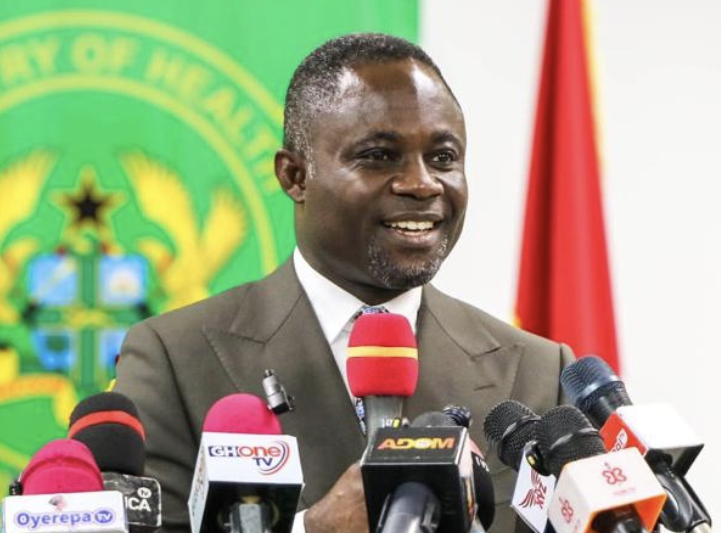
    The Ministry of Health (MoH) has announced that it’s in the process of constituting an investigative committee to examine allegations of patient exploitation and unprofessional conduct at the Greater Accra Regional Hospital, also known as Ridge Hospital.

    The statement follows an investigative report by The Fourth Estate titled “Medical Kalabule: Inside Ridge Hospital’s Prescription Scam [Part one]” which exposed how the prescription system meant to heal patients has become a tool of exploitation.

    In a press statement issued on Monday, the Ministry expressed sympathy with patients and relatives who may have been subjected to any form of unprofessional conduct in health facilities across the country, reiterating the government’s commitment to reducing the stress and financial burden patients face in accessing healthcare.

    The statement further noted that the Ministry was “deeply concerned and surprised” by some of the revelations contained in the investigation, describing the issues raised as serious and deserving of thorough examination.

    “Accordingly, the Ministry of Health is in the process of constituting an investigative committee to look into the matter,” the statement said.

    The committee, according to the Ministry, is expected to submit its findings within fourteen (14) working days to the Health Minister, Kwabena Mintah Akandoh.

    The Ministry also said it expects the full cooperation of all relevant stakeholders, including The Fourth Estate, to help unravel the facts and provide additional details necessary to ensure accountability and improve service delivery within the health system.

    Meanwhile, the Executive Director of the Media Foundation for West Africa (MFWA), the organisation that runs The Fourth Estate project, Sulemana Braimah, has welcomed the Ministry’s decision and pledged the organisation’s support for the probe.

    Mr Braimah said MFWA remains “committed” to assisting the investigative committee to get to the bottom of the issues raised in the report, stressing that the investigation was conducted in the public interest and aimed at improving healthcare delivery and accountability.

    The Fourth Estate investigation documented how patients receiving care at Ridge Hospital were allegedly exposed to systemic practices that imposed additional financial burdens, leaving accountability questions within one of the country’s premier public health facilities.

  • Ashaiman hospital treats woman with fistula after The Fourth Estate report

    Ashaiman hospital treats woman with fistula after The Fourth Estate report

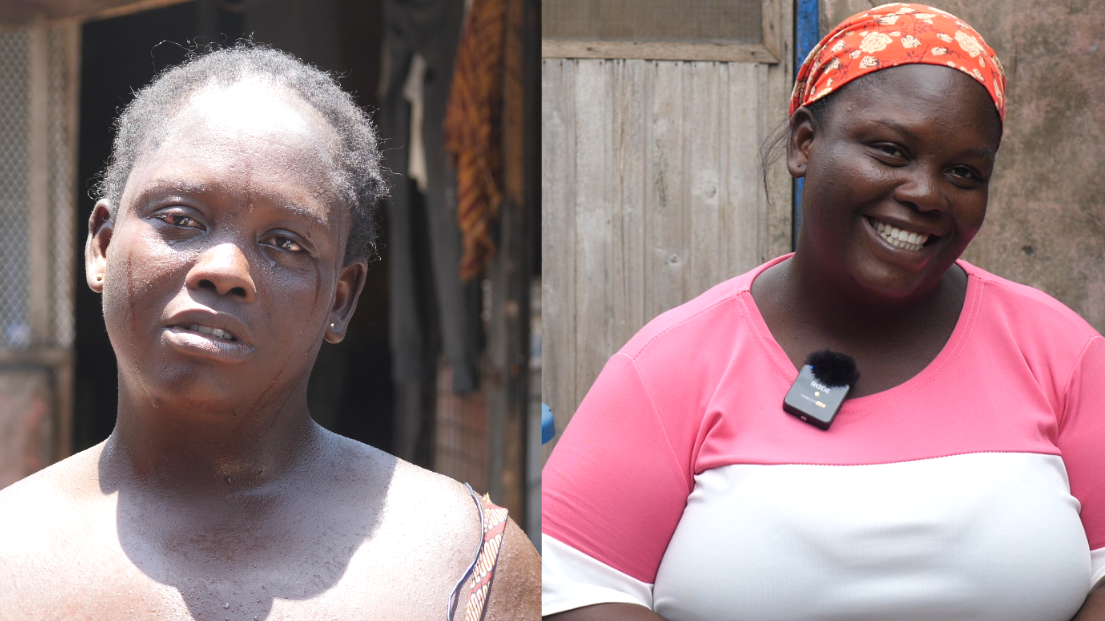
    A 34-year-old mother of four, who suffered from uncontrollable urine leakage for two years after a botched caesarean section, has finally received treatment.

    The Ashaiman Polyclinic (now Ashaiman Hospital) operated on Ruth to fix her vesicovaginal fistula after The Fourth Estate report, which narrated her psychological trauma and shame.

    According to the report, despite several visits to Ashaiman Hospital and a referral to Ridge Hospital in Accra, little was done to assist her financially to undergo treatment.

    Fortunately for Ruth, the report prompted a swift intervention by the Ghana Health Service (GHS) which collaborated with the National Fistula Committee, leading to her treatment and recovery from the vesicovaginal fistula she developed after childbirth at the Hospital, formerly Ashaiman Polyclinic.

    The successful corrective surgery brings to an end, a harrowing chapter of Ruth’s life that was cloaked in shame, pain, and helplessness. “I am free now,” Ruth told The Fourth Estate. “The urine doesn’t flow on me again. I’m happy and very grateful to The Fourth Estate. Your story gave me my life back.”

    Following The Fourth Estate’s report, which detailed Ruth’s medical ordeal, emotional trauma, and financial struggles, the GHS swiftly summoned the management of the Ashaiman Hospital for an emergency meeting.

    The meeting, chaired by the Head of Legal for GHS in the Greater Accra Region, Fidel Leviel, focused on the facility’s duty of care and the urgent need for medical redress.
     “I read your story about Ruth Sottie. I called an emergency management meeting at Ashaiman Municipal Hospital. We discussed the issue, and I gave them the right legal advice,” he told The Fourth Estate.

    Following his legal advice, the facility formed a 14-member committee led by the Head of the Hospital to find a decisive resolution to Ruth’s ordeal.
    After assessing her condition on April 21, the Ashaiman Hospital admitted Ruth, during which specialists worked to rectify her fistula condition on April 28 and monitored her recovery. She was discharged on June 9, 2025.

    Prior to the intervention, Ruth lived in constant embarrassment. The uncontrollable leakage of urine and her inability to freely pass stool disrupted her ability to work. It also robbed her of her dignity. Her attempts to seek help from the facility were met with referrals and silence.

    The story published  by The Fourth Estate in April this year, documented not only Ruth’s suffering but also systemic lapses in maternal care, poor post-operative monitoring, and the lack of accountability in public healthcare.
    The story caught the attention of online commentators, public health advocates, and the Ghana Health Service, prompting internal reviews and direct action.

    Ruth’s husband, Lawson Okutu, who had earlier sold his motorbike to fund her initial medical bills, expressed profound gratitude. “We had lost all hope. Nobody listened to us until The Fourth Estate told our story. Today, I have my wife back,” he said.

    Ruth said she will resume selling beef at the Ashaiman Market, and for the first time since the birth of their last child in 2023, she can work with pride, sit in church, and interact in public without fear of humiliation.

    No permissible margin of error

    Mr Leviel from the GHS said Ruth’s case has underscored the importance of enhancing internal accountability and improving maternal health protocols.

    “The world through the media is watching our actions and inactions as healthcare professionals. I am cautioning healthcare professionals to be diligent with their work,” he said. “ There’s no permissible margin for error in our jurisdiction for healthcare professionals.”

    “If health professionals have knowledge about the concept of duty of care and its resultant breaches as well as damages accruing, they would be more mindful. So adequate knowledge of medical negligence and its consequences will do the trick.”

    Speak up when dissatisfied 

    The management of the Ashaiman Municipal Hospital expressed appreciation to The Fourth Estate for highlighting her plight, which they say facilitated timely intervention.

    “We are grateful to The Fourth Estate for bringing this to our attention,” said Dr. Mavis Amoako, Medical Superintendent of the facility. “It wasn’t a very complicated procedure. We ensured we engaged experts in the field, and thankfully, the process went smoothly. She [Ruth] has recovered.”

    Dr. Amoako attributed part of the delay in addressing Ruth’s condition to a language barrier and communication breakdown, which, in her view, may have contributed to a lack of clarity in relaying the patient’s concerns.

    However, Ruth has disputed that claim, insisting that she was neglected and left without proper follow-up care until The Fourth Estate’s story brought public attention to her case.

    Dr. Amoako acknowledged the need for improvement and said the hospital is working to implement key recommendations in conjunction with existing protocols to strengthen post-surgical monitoring, antenatal risk communication, and patient feedback systems.

    She urged patients to feel empowered to escalate concerns when frontline staff fail to provide adequate care.

    “If you believe the person you’re speaking to isn’t addressing your concerns properly, take the issue to the next level—management,” she advised. “It is management’s duty to guide you to where you can access the care you need, including free services where applicable. Remember that at the Ghana Health Service, your health is our priority.”

  • NSS Scandal: National Service Staff Union commends Gov’t for suspending digital system

    NSS Scandal: National Service Staff Union commends Gov’t for suspending digital system

    The National Service Authority (NSA) Staff Union has welcomed the government’s decision to suspend the Central Management System (CMS) used by the Authority for postings.

    In a statement signed by its Chairman, Ayirebi Adubofour, the Union described the Minister for Youth Development and Empowerment, George Opare Addo’s directive as timely and in the best interest of transparency, accountability, and the welfare of staff.

    “We have not shielded our believe [sic] from Management that until the system is thoroughly scrutinized by Management and stakeholders, our activities via it should be suspended.”

    The decision of the Union, which is part of under the Public Services Workers’ Union (PSWU) of the Trades Union Congress (TUC), follows the release of a damning investigation by The Fourth Estate that exposed serious concerns about the integrity and management of the CMS.

    The CMS, a digital platform operated by a private firm, Inpath Technologies Ghana, was introduced to streamline and digitise postings and operations within the NSA.

    However, stakeholders have raised concerns about the lack of transparency and potential manipulation in the system, prompting The Fourth Estate to look into the operations of the Authority.

    The Staff Union cited comments from Sulemana Braimah, Executive Director of the Media Foundation for West Africa (MFWA), the parent organisation of The Fourth Estate.

    “The staff leans fervently to this decision as we have always held to the provoking [sic] thought statement of Mr. Suleiman Braimah of the Media Foundation for West Africa, the man whose investigation uncovered the alleged NSS SCANDAL,” they added.

    Mr Braimah, in a series of social media campaigns, had cautioned that the system should not be operated by its current consultant due to how it had allowed for the enrolment of ghost names.

    The Union stated it had repeatedly called on management to halt the use of the CMS until a full audit and stakeholder review were conducted.

    “We are very mindful of the impact of this decision on the contract between Inpath Technologies Ghana and the National Service Authority,” the statement said. “However, we hold it firm that for the trauma suffered by staff of the National Service Authority on the back of the infamous scandal, and the damage done to the goodwill of the Authority, due diligence cannot be negotiated.”

    The Fourth Estate’s exposé on the NSS Scandal, published earlier this year, revealed the padding of ghost names in the NSA database and manipulation of posting processes, which caused the government to pay millions of cedis to service personnel that only existed on paper. Beyond revealing the existence of ghost names in the NSA database, the publication raised critical questions about value-for-money, data security, and institutional integrity of the CSM.

    The investigation prompted public demand for probity and accountability. In response, the Office of the President, through the Ministry of Youth and Empowerment, directed an immediate suspension of the CMS to allow for a comprehensive technical and forensic review.