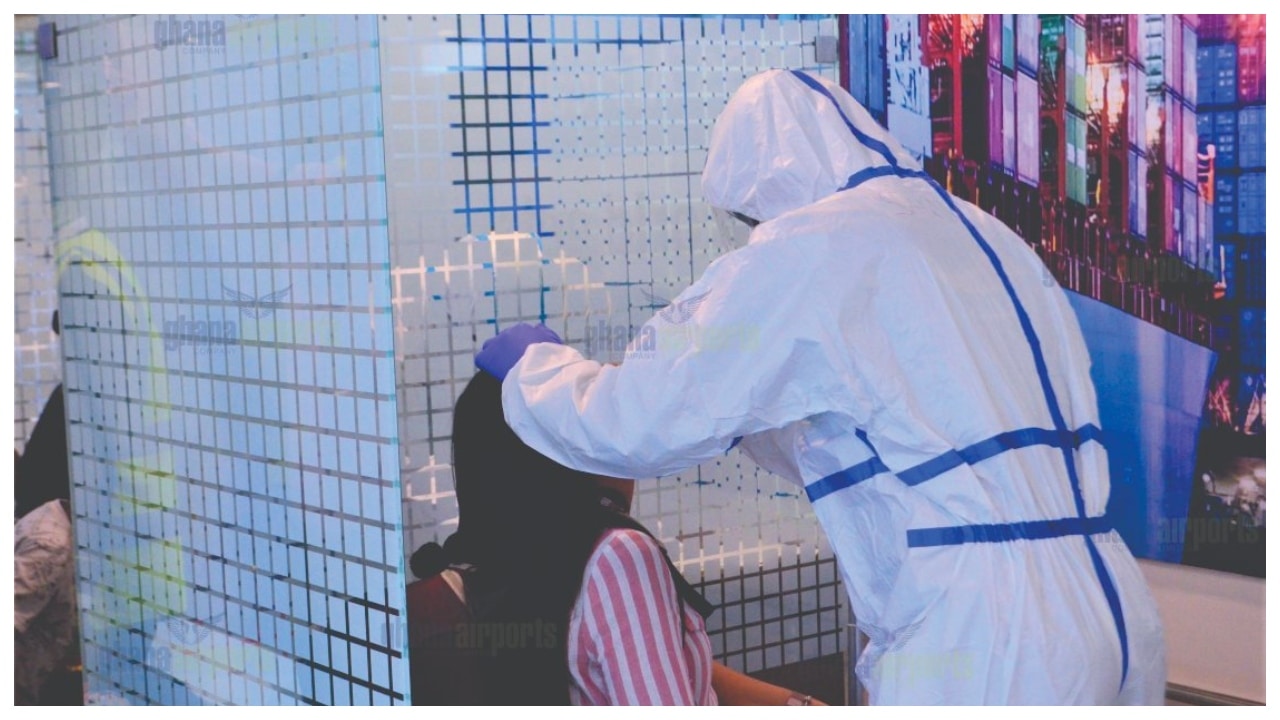
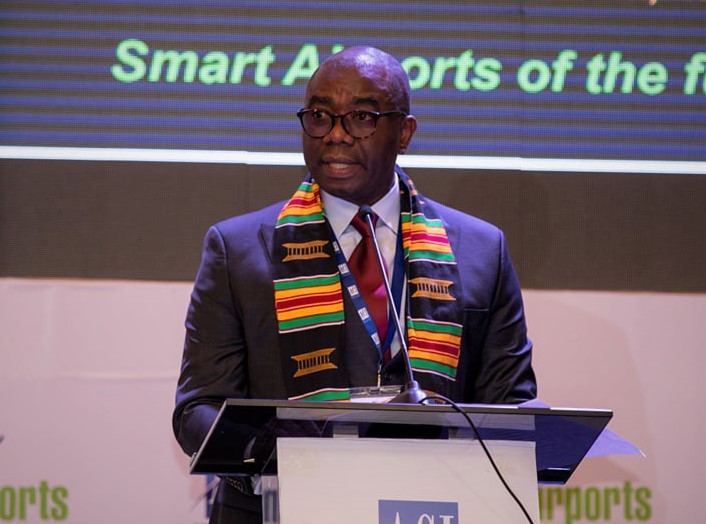
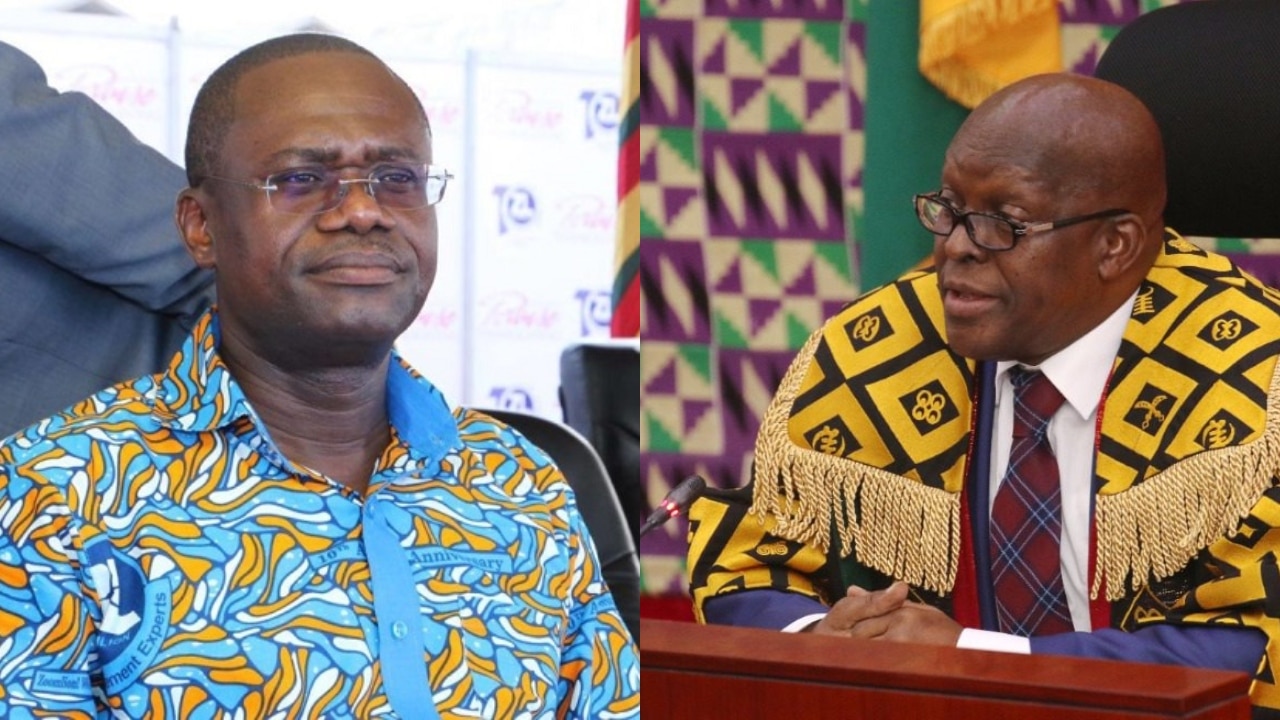
The Ghana Airports Company Limited (GACL) made a little over $6.4 million from the over two years Frontiers Healthcare Services operated at the Kotoka International Airport (KIA) to conduct COVID-19 tests.
Frontiers Healthcare Services Limited made over US$80.6 million for the 28 months it tested passengers arriving at, and moving out of Ghana, as of December 2022. In total, Frontiers made US$87m.
This means the company received 6.8% of the revenue Frontiers generated at the Airport in addition to the US$365, 336.50 Frontiers Healthcare Services paid as ground rent and an additional GH₵45,000 (US$4, 433) as Airport Operators Registration fee for the 28 months it operated at the KIA.
The Fourth Estate used the prevailing exchange rate of GH₵ 10.15 to a dollar as of December 2022 for the conversion of the Ghana cedi equivalent contained in the document.
According to the contract, the GACL received US$10 out of the US$150 for every test conducted.
This put to bed the 3 years of the company’s refusal to provide the contractual details it had with Frontiers Healthcare Services Limited, the company handpicked to conduct COVID-19 tests at the airports in 2020.
This information was part of responses provided to The Fourth Estate by the Board Chairman of the GACL, Paul Adom-Otchere, following a Right to Information (RTI) request to the company on September 29, 2023.
This comes two weeks after the RTI Commission fined the GACL GH₵200,000.00 for failing to comply with directives to provide access to information to Accra-based JoyNews on the same contract.
The GACL had said their inability to release information on the contract award process and revenue generated from testing travellers was because the information was not in their possession, and that the information was exempted under the Right to Information Law.
Frontiers contract signed on the same day testing began at the Airport
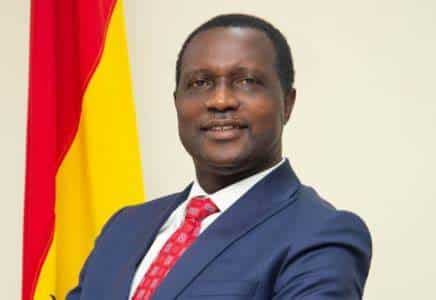
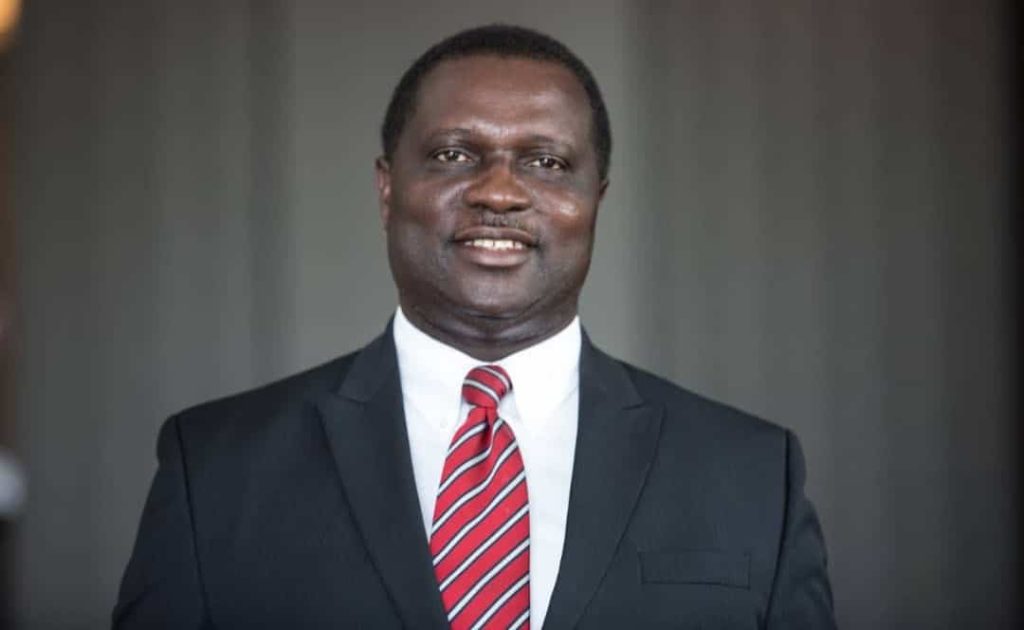
The then Managing Director of GACL, Yaw Kwakwa, signed for the GACL on September 1, 2020, the same day that Frontiers began testing for COVID-19 at the airports
The contract between the GACL and Frontiers Healthcare Services Limited was signed on September 1, 2020, the same day Frontiers began the compulsory testing of passengers at the KIA.
The then Managing Director of GACL, Yaw Kwakwa, signed for the company, while Dr Emmanuel Acquaye signed for Frontiers Healthcare Services Limited.
This was on the day the government opened the airport to international flights, five months after Ghana’s air and land borders had been closed as measures to curb the COVID-19 pandemic.
While it was a requirement, according to the Health Facilities Regulatory Act 2011(Act 829), for any operator within the health sector to be granted a license before it began operation, this was the reverse in the case of Frontiers Healthcare Services Limited. It received the license two months after it began operation at the airport.
But, the government had a justification for the lapse, insisting COVID-19 was an emergency.
The GACL also did not receive approval from the Public Procurement Authority before awarding the contract to Frontiers, contrary to the country’s procurement laws.
Incorporation details obtained from the Registrar General’s Department by The Fourth Estate
The company also did not have a history or experience in such tests. Critics had indicated that Noguchi Memorial Institute for Medical Research, Ghana’s premier research institution, was in a better position to do the testing.
In fact, Frontiers had been incorporated just three weeks before the president’s address to reopen Ghana’s borders in September 2020.
When the ministers designated for Health, Gender and Social Protection, Information, Transport, and Foreign Affairs appeared before Parliament’s vetting committee in 2021, they said they could not tell who signed the contract and did not have details for members of the Committee. Some of the members of the committee described the deal as “exploitative.”
“Averagely, it should cost between $10 and $20,” virologist and research fellow at the Noguchi Memorial Institute for Medical Research, Dr Joseph Humphrey Kofi Bonney, told Joy News on September 1, 2020.
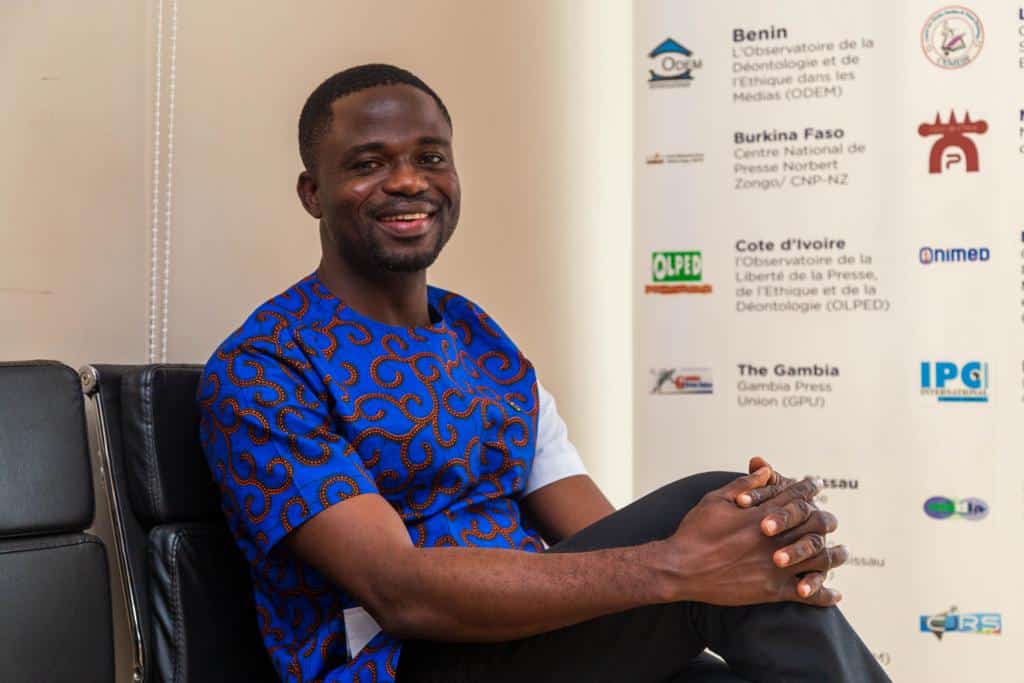
Mr Awuni has been nominated alongside nine other journalists for the two categories from eight countries in Africa.
“It’s good to be named as a finalist in entries submitted from 29 countries. It speaks to the quality of the journalism we have done at The Fourth Estate and how that compares with some of the best on the continent,” Mr Awuni said of his nomination.
This award is aimed at rewarding the work of African journalists who have carried out high-quality investigations into corruption, organised crime, human rights violations, governance, environmental crime, and terrorism, in the print, radio, television, and online media.
This is the second time Mr Awuni has been nominated for this prestigious award, which celebrates the achievement of murdered Burkinabe investigative journalist, Norbert Zongo.
In 2021, Mr Awuni was the first runner-up for the television category for his story, Contracts for Sale.
As the founding Editor-In-Chief of The Fourth Estate, Mr Awuni has trained and led a team of dedicated and enterprising journalists who focus on human rights, environment, anti-corruption, and health reporting among others.
Meanwhile, Mr Awuni has commenced his fellowship at the Nieman Foundation for Journalism at Harvard University in the United States of America.
It is just because they may be doing less with the enormous power they wield.
I have wondered, for long, when a Parliamentary Committee’s work will have consequences for anyone.
Maybe I am wrong.
From the Committees created to investigative Anas’ exposé on the Ghana Football Association to the one on bribery allegations in Parliament, and the recent one in November 2022 to investigate a conflict-of-interest matter of the Finance Minister, Ken Ofori-Atta, absolutely nothing has come out of these committees.
Oh no, something came out of them.
The Parliamentarians got their per diems to fuel their heavy Landcruisers purchased with almost interest-free loans the state advanced to them.
When eight people were killed during the 2020 general election, the opposition National Democratic Congress, as usual, made noise and called for investigations into the killing of people’s fathers, brothers, sisters, and guardians.
I wished that Parliament and, in fact, the whole country had attached the same seriousness it attached to the IGP leaked tape inquiry and inquired about the election-related deaths.
Look how our women knotted their cloths in fury and the men are ‘erected’ over the revelations from the Committee.
Where was this fury when the eight people got killed for the election of Nana Akufo-Addo, the ‘democratic-tyrant’, in 2020?
People’s limbs and skulls got broken, while eight others took an early journey to the grave and President Nana Akufo-Addo, even after almost four years since the killing, is yet to condemn the act believed to have been perpetrated by some members of the security services who were more NPP than the President.
In a recent conversation with a gainfully employed Ghanaian friend who has migrated to the USA, he told me that he feels more appreciated in the US, even as a recent immigrant, than he was in Ghana.
“There is dignity of life,” he said.
That conversation has since made me question my sanity, even as a journalist because many of the stories done by the media do not get the necessary impact. My colleagues and I have exposed a lot of wrongdoings by politicians and other public officeholders who have not been sanctioned for these acts.
We parted ways knowing that there’s nothing grand or noble at stake anymore to make it worth the trouble of dying for Ghana.
Kennedy Agyapong, MP, who’s gunning to be NPP’s 2024 flagbearer, incited the public against Ahmed Hussein-Suale, the investigative journalist who was killed by gunmen in 2019
The police are still yet to find those responsible for the killing of investigative journalist Ahmed Hussein-Suale, who was threatened by a leading member of President Akufo-Addo’s party and shot dead in Accra in 2019. Nobody has yet been held responsible though the Member of Parliament, Kennedy Agyapong, put Mr Hussein-Suale’s photograph on national television and asked whoever saw him to attack him. Aside from these, about 30 other people lost their lives through extra-judicial killings.
The state has also failed to find evidence to justify the arrest, detention, and alleged torture of journalists from Modern Ghana, an online news site, by operatives of the National Security Secretariat in 2019.
As someone who truly appeared to have cared about the Ghanaian populace prior to his election into office, President Akufo-Addo’s attitude about the killing of the Techiman 8 probably gives tacit approval for the act. And that doesn’t come as a surprise to many.
A critical look at the indicators of good governance, particularly under President Akufo-Addo, means though our democracy is growing, it is not maturing. Perhaps, it’s getting worse. As someone who came to political stardom as a result of the popular ‘Kumi Preko’ demonstration, you’d expect that President Akufo-Addo’s government would embrace protest as a tool for democratic expression.
Some demonstrators at the #WebeCitizens Demonstration in Accra
But.
Alas, his government, in ‘cahoots’ with the police service and our courts has been citing a salad of flimsy excuses for not allowing demonstrations since 2017.
The recent was the excuse that due to the rising coups in West Africa, it was not appropriate to demonstrate. To put it mildly, this is the dumbest I have heard in a while.
Many are in blankets of fear to stage protests for fear of their lives.
The current situation is more than worrying — almost hopeless even — that accountability institutions are being targeted and undermined.
The recent reaction of government officials and communicators to the Special Prosecutor’s investigation into the hoarding and stealing of a stash of cash in the house of former Sanitation minister, Cecilia Dapaah, who resigned out of shame, lends credence to the same.
Ghana’s Electoral Commissioner, Jean Mensa
Why should Ghana’s court set the hearing date for an injunction application against the notorious Electoral Commission on the limited voter registration exercise a week after the exercise comes to an end? How does that protect the rights of citizens who are peeved by the decision to limit the registration of prospective voters to the district offices? If the courts could make arrangements for a sole judge to sit on a similar case in September 2012 when the EC was taken to court, why can’t the same be done now?
My little political education tells me this is more about gerrymandering than it is about ensuring that people who are of voting age register to vote.
Time and again, our courts fail to listen to the current rhythm of the need for reforms. The same happened in the Domelevo case. The same happened in the E-levy case. The same is happening in the Minority’s planned demonstration about the Bank of Ghana’s decision to build a headquarters worth $250 million. What kind of backward democracy are we practicing?
If the 2020 election could be won with the unresolved and unaccounted killing of eight people, one needs not to wonder at what cost the 2024 election, for which they want to break the ‘8’, would come.
If you are angry about Ghana’s deteriorating electoral democracy, then you need to join the #Fixthecountry demonstration scheduled for September 21, 2023, to demand accountability from this government and its officials, including calling for investigations into the killing of the Techiman 8.
Commissioner of Police (COP) Alex George Mensah, one of the senior police officers at the centre of the alleged plot to oust the Inspector-General of Police (IGP), Dr George Akufo Dampare, was the Director-General of Operations during the violence-plagued Ayawaso West Wuogon by-election in 2019.
COP Alex George Mensah deployed the police officers and played a supervisory role during the bloody election that got dozens of people injured.
He, however, denied knowing the masked National Security personnel who caused mayhem at La-Bawaleshie during the by-election.
By a twist of fate, COP Mensah is again the man at the centre of another election-related controversy which is being investigated by an ad hoc parliamentary committee chaired by Samuel Atta Akyea, the MP for Abuakwa South. The committee is investigating a leaked audio tape in which senior police officers were allegedly plotting with a former Northern Regional Chairman of the governing New Patriotic Party (NPP), Bugri Naabu, to remove the IGP from office.
COP George Alex Mensah doing the most (speaking) after the Ayawaso West Wuogon by election violence. He was then the Director of Operations of Ghana Police Service. pic.twitter.com/hPkhHSw521
When he appeared before the committee earlier, Mr Naabu admitted to recording the audio in which the discussants claimed it would be difficult for the NPP to win the 2024 election if Dr Dampare remains in office. Dr Dampare was appointed in August 2021.
The Deputy minority leader in Parliament, Emmanuel Armah Kofi Buah, said that the audio was recorded when the veteran politician met the senior police officers to discuss the outcome of the Assin North by-election, and how the IGP did not lead efforts to assist the NPP. The opposition National Democratic Congress (NDC) candidate, James Gyakye Quayson, won that election.
When COP Mensah took his turn before the committee on Thursday, August 31, 2023, he admitted to saying in the audio recording that some form of collusive syndicate was needed in elections.
When Mr. Agalga asked him to clarify what he meant on the leaked tape that elections were about “mafia work”, COP Mensah denied ever saying that.
He explained that in elections, there was always some Mafia work that was employed to undermine successful elections.
“During elections, if you don’t provide the needed security for people to come out and vote peacefully, and you allow people to come and disturb, to come and snatch boxes at your strongholds, then you are ending in opposition.”
He also alleged that the leaked tape had been doctored.
In the leaked audio, COP Mensah, who told the committee that he was a sympathiser of the NPP, is heard saying:
“This current IGP if we do a mistake and take him to the elections, it will not help us. It will not help us at all, and I will not mind if the position is not given to me, but that man is changed because he will not help us. He will not help us at all… he won’t help the party [NPP] at all.”
COP Mensah told the committee that he had been lobbying since 2017 to become IGP. He was of the view that the current IGP was not managing the Police Service well.
“Dampare is not managing the Police Service well and the majority of police officers are not happy. You can call the police officers underground and they will tell you,” he claimed
COP Mensah is expected to retire from the Police Service this month after serving for 31 years.
Explaining his reason for the secret recording, Bugri Naabu told the committee that “they are coming to tell me to go and tell the President something that they know what they are saying. And it is either I don’t go to tell the President and then, I and my party suffer for it, and if I also go to talk to the President, it is good to tell him the right thing. Since I cannot keep everything, they were telling me at that point, it was very good to record. I know the President that if I go and tell him something, and it turns not to be true, next time he won’t give me respect. (sic)”
The role of COP Alexander George Mensah in the Ayawaso West Wuogon by-election
The Ayawaso West Wuogon by-election in January 2019 led to the injury of more than six people believed to be supporters of the opposition NDC. The NPP’s candidate Lydia Seyram Alhassan won the seat.
When National Security Operatives fired gunshots and assaulted citizens at a polling centre at La-Bawaleshie, voters queuing to vote and personnel from the Electoral Commission had to flee for safety. The voting process was suspended.
The NDC MP for Ningo-Prampram, Sam George, was assaulted by a national security operative when he questioned their conduct.
The government established a commission, chaired by a former Commissioner of CHRAJ, Emile Short, to investigate the altercations.
COP Alex Mensah denied claims that the masked armed men involved in the violent activities during the Ayawaso West Wuogon constituency by-election included members of the Police SWAT team under him.
“I will be surprised that the masked armed men were members of the Police’s SWAT team.
“I saw the footage of the armed masked men in brown uniforms and didn’t know who they were, because I am not aware that the election taskforce included operatives of National Security,” he told the Emile Short Commission of Inquiry on February 15, 2019.
He also claimed that the vehicles used by these armed masked men were not owned by the Police, although videos show Police logos on them.
“The vehicle seen in the footage being used by the masked armed men is not under my fleet. Ever since I took over, I have not seen that kind of vehicle.”
His claims were contrary to the submission of the Minister of National Security, Albert Kan Dapaah. Mr Dapaah told the commission that 25 armed police officers were part of the 60 uniformed and masked security operatives who went on a ‘special operation’ within the constituency.
Apart from other critical voices who condemned the invasion of the electoral centre at La -La-Bawalashie, the Electoral Commission also chided the security operation around the election, which COP George Mensah supervised, calling it unprofessional.
“Finally, during the recent by-election, it is noted that the security officers should have better handled the clashes which occurred in the home of the NDC candidate than they did,” then spokesperson of the EC, Eric Kofi Dzakpasu said.
Background
The Speaker of Parliament, Alban Sumana Kingsford Bagbin, last month set up a special seven-member committee to probe the alleged leaked audio containing a plan to remove the Inspector General of Police (IGP) Dr George Akuffo Dampare, from office.
The decision to form the committee comes as a response to a demand by the Minority caucus in Parliament. The NDC MPs called for a thorough forensic audit to determine the authenticity and credibility of the leaked tape.
Former Minority Leader, Haruna Iddrisu, said the attempt to remove the IGP and the discussion about the 2024 elections must be of concern to Parliament.
“It boils down to the security of this country, and it is important that this House knows the authenticity of that leaked tape,” he said.
A member of Parliament’s Public Finance Committee (PAC), Rockson Dafeamekpor, says officials of assemblies and the District Assemblies Common Fund (DACF) who defy Parliament’s directive to discontinue the fumigation contract with Zoomlion and pay the company will be punished.
“In addition to penalising the officers for non-compliance with the directives, we will also cut the funding, and then when their budget comes for approval, we will look out for the portion that goes to fund this activity and then we will cut it,” he told The Fourth Estate.
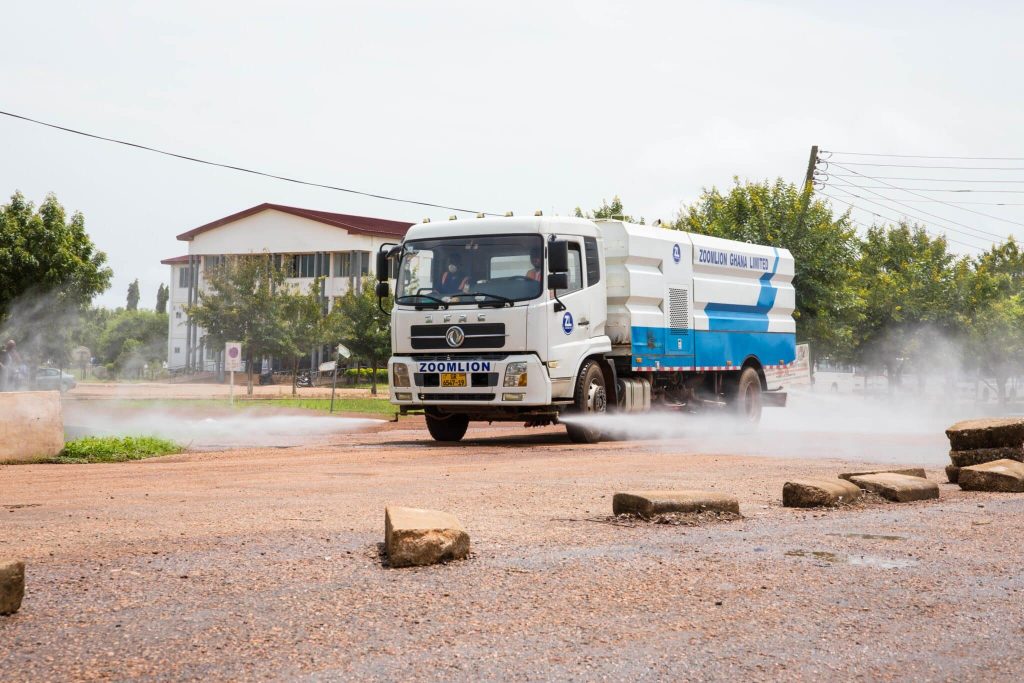
A Zoomlion truck fumigated and disinfected schools before resumption as directed by President Akufo-Addo, contrary to the World Health Organization’s directive that it was not an effective exercise. Picture Credit: Starr FM
Parliament said this had become necessary because the assemblies could not “vouch” for the integrity and composition of chemicals used during the fumigation process.
“The Committee observed with concerned (sic) that the Fumigation contract between the Assemblies and Zoomlion Company may result in waste of Public Funds since it is difficult for the Assemblies to vouch for the chemicals being used by the Company for the fumigation exercise,” the committee said.
This verification exercise is difficult for the Assemblies and Auditors too, the committee added.
“The Committee is therefore recommending to the Assemblies to not renew the contracts when the existing Agreements expire,” it concluded.
This recommendation was contained in the committee’s report on the Auditor-General’s report on the management and utilization of the DACF and other statutory funds for the year ending 2020, which was adopted by parliament on July 11, 2023.
Zoomlion received GH₵ 469,219,550 since 2015 for the fumigation exercise
Joseph Siaw Agyepong is the owner of Zoomlion Ghana Limited.
Data from the DACF show that Zooomlion Ghana Limited has been paid GH₵ 469,219,550 in the last eight year years, for the work the Parliament’s Public Accounts Committee calls “wastage of Public Funds.”
This contract has been running since 2010.
Zoomlion also receives about GH₵ 20 million every month for “managing” sweepers at the markets and public places in the assemblies. This contract is between Zoomlion and the Youth Employment Agency (YEA). The money is deducted at source and paid to the company. The assemblies do not control the payment.
Despite being paid this amount monthly, Zoomlion Ghana Limited in its budget pegs the cost of each worker at GH₵ 600 per month, but the company pays each worker GH₵ 180 and keeps the rest of the GH₵ 420 as management and logistics fees.
When the sweepers of the markets put the refuse in communal containers, Zoomlion Ghana Limited has separate contracts with all the assemblies in Ghana to lift the container to the final disposal sites.
This contract is called the Sanitation Improvement Package (SIP). This contract has existed since 2007 and even though the assemblies have expressed worries about its effectiveness, payment is made at the DACF.
Zoomlion’s ongoing contract with the government
Irene Naa Torshie Addo, Administrator of the District Assemblies Common Fund (DACF), and all assemblies across the country have been directed to cancel the fumigation contract with Zoomlion.
Zoomlion GH. Ltd has two major contracts with the various MMDAs across the country, currently running – Sanitation Improvement Package (SIP) and Fumigation – aside from the Youth in Sanitation contract.
The SIP/YEA contracts were first signed under John Agyekum Kufuor’s administration and have been running despite many investigative reports and adverse findings against them by the Auditor-General.
The Auditor-General (A-G), in its annual report on the management and utilization of the District Assemblies Common Fund and other Statutory Funds, has, on countless occasions, cited Zoomlion for various contract breaches.
In most cases, the A-G recommended a stoppage of payments to the company and a refund of monies it undeservedly received. In some cases, it recommended an abrogation of the contracts.
However, the DACF administrator continues to deduct from the assemblies’ share of the DACF at source and pay to Zoomlion without even ascertaining, in almost all cases, whether the company has rendered services to, or has valid contracts with the assemblies to merit the payments.
This has resulted in payments made to the company for no work done. In a number of cases, payments were made without contractual agreements.
Parliament’s Public Accounts Committee (PAC) has recommended the cancellation of the fumigation contracts between waste management company, Zoomlion Ghana Limited, and the metropolitan, municipal, and district assemblies (MMDAs).
The Committee said the cancelation of the contract has become necessary because the assemblies cannot “vouch” for the integrity and composition of chemicals used during the fumigation process.
“The Committee observed with concerned (sic) that the Fumigation contract between the Assemblies and Zoomlion Company may result in waste of Public Funds since it is difficult for the Assemblies to vouch for the chemicals being used by the Company for the fumigation exercise.”
The verification exercise is difficult for the assemblies and auditors too, the committee says.
“The Committee is therefore recommending to the Assemblies to not renew the contracts when the existing Agreements expire,” it concluded.
This recommendation is contained in the committee’s report on the Auditor-General’s report on the management and utilization of the District Assemblies Common Fund and other Statutory Funds for the year ending 2020.
The report was adopted by Parliament on July 11, 2023.
The Committee’s recommendation has been the crusade of some assembly members and officials in the country.
In 2017, for instance, the then District Environmental Officer of Kpandai in the Northern Region, Thomas Nkpetri, said the centralisation of the Zoomlion contract robbed the assemblies of their supervisory roles.
“Fumigation in particular, I believe the effect of it is not being seen. You know how our township is and the rainy season and when the place becomes wet, they are a lot of stagnant water bodies in the system. But on the whole, whether the impact is being felt, I don’t believe so.”
His concerns were reechoed by Matthew Dzakpa Mumuni, the Northern Region Environmental Health officer, who said, “Frankly, the chemicals that they used, I have not seen it before, but it’s a concern that there’s the need for us to know.”
The assemblies say they were pressured to sign the contracts with Zoomlion and payments for the contract are carried out in Accra. The District Assemblies Common Fund (DACF) Secretariat deducts money from the assemblies’ share of the Common Fund and pays Zoomlion directly in Accra, whether or not the contract is carried out in the districts.
Zoomlion received GHS 469,219,550 since 2015for the fumigation exercise
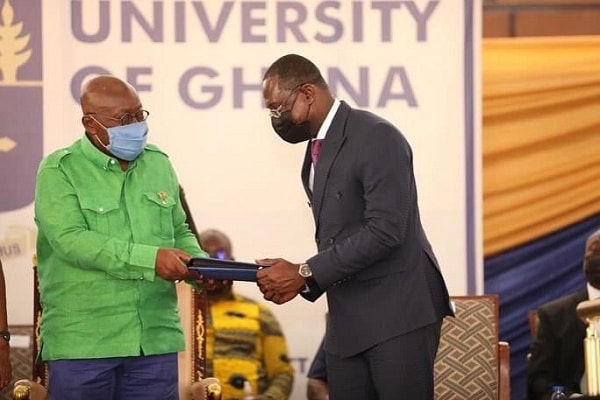
President Akufo-Addo and the Chairman of Jospong Group of Companies, Joseph Siaw Agyepong.Picture Credit: University of Ghana
Data from the DACF show that Zooomlion Ghana Limited has been paid GHS 469,219,550 in the last eight years, for the work the Parliament’s Public Accounts Committee calls “wastage of Public Funds.”
This contract has been running since 2010.
Zoomlion also receives about GHS 20 million every month for “managing” sweepers at the markets and public places in the assemblies. This contract is between Zoomlion and the Youth Employment Agency (YEA). The money is deducted as source and paid to the company. The assemblies do not control the payment.
Despite being paid this amount monthly, Zoomlion Ghana Limited in its budget pegs the cost of each worker at GH₵ 600 per month, but the company pays each worker GH₵ 180 and keeps the rest of the GH₵ 420 as management and logistics fees.
When the sweepers of the markets collect and put the refuse in communal containers, Zoomlion Ghana Limited has separate contracts with all the assemblies in Ghana to lift the container to the final disposal sites.
This contract is called the Sanitation Improvement Package (SIP). This contract has existed since 2007 and even though the assemblies have expressed worries about its effectiveness, payment is made at the DACF.
The amount paid to Zoomlion Ghana Ltd for the Sanitation Improvement Package ( SIP) and Fumigation since 2015
All amounts in cedis
Year
SIP
Fumigation
2015
36,184,750.00
40,660,550.00
2016
36,184,750.00
40,660,550.00
2017
36,340,000.00
40,884,800.00
2018
41,221,750.00
46,497,950.00
2019
46,626,750.00
52,667,700.00
2020
54,855,000.00
61,962,000.00
2021
54,855,000.00
61,962,000.00
2022
63,083,250.00
71,256,300.00
Total
369,351,250
416,551,850
Source: District Assemblies Common Fund
Zoomlion’s ongoing contract with the government
Zoomlion GH. Ltd has two major contracts with the various MMDAs across the country, currently running – Sanitation Improvement Package (SIP) and Fumigation – aside from the Youth in Sanitation contract.
The SIP/YEA contracts were first signed under John Agyekum Kufuor’s administration and have been running despite many investigative reports and adverse findings against them by the Auditor-General.
The Auditor-General (A-G), in its annual report on the management and utilization of the District Assemblies Common Fund and other Statutory Funds, has, on countless occasions, cited Zoomlion for various contract breaches.
In most cases, the A-G recommended a stoppage of payments to the company and a refund of monies it undeservedly received. In some cases, it recommended an abrogation of the contracts.
Irene Naa Torshie Addo, Administrator of the District Assemblies Common Fund (DACF), and all assemblies across the country have been directed to discontinue payments to Zoomlion for fumigation.
However, the DACF administrator continues to deduct from the assemblies’ share of the DACF at source and pay to Zoomlion without even ascertaining, in almost all cases, whether the company has rendered services to, or has valid contracts with the assemblies to merit the payments.
This has resulted in payments made to the company for no work done. In a number of cases, payments were made without contractual agreements.
“In outdoor spaces, large-scale spraying or fumigation in areas such as streets or open market places for the COVID-19 virus or other pathogens is not recommended. Streets and sidewalks are not considered routes of infection for COVID-19. Spraying disinfectants, even outdoors, can be noxious for people’s health and cause eye, respiratory, or skin irritation or damage.”
Prez Akufo-Addo authorised fumigation exercise
A Zoomlion truck sprayed the streets as part of the fumigation exercise in 2020 which the WHO described as inefficient.
In 2020, while Zoomlion Ghana Ltd was already being paid for its fumigation contracts in all assemblies across the country, President Akufo-Addo authorised the award of a contract to Zoomlion Ghana Ltd to fumigate schools, markets, and other public places to fight Covid-19. This was contrary to caution from the World Health Organisation that the measure was ineffective in the fight against the virus.
The so-called Covid-19 fumigation cost Ghana about GHS 500 million.
In addition, the District Assemblies Common Fund also paid Zoomlion Ghana Limited GHS 61,962,000.00 in 2020 for fumigation.
What the World Health Organisation says about Zoomlion-like fumigation contract in 2020
“In outdoor spaces, large-scale spraying or fumigation in areas such as streets or open market places for the COVID-19 virus or other pathogens is not recommended. Streets and sidewalks are not considered routes of infection for COVID-19. Spraying disinfectants, even outdoors, can be noxious for people’s health and cause eye, respiratory, or skin irritation or damage,” the caution, issued on March 31, 2022, said.
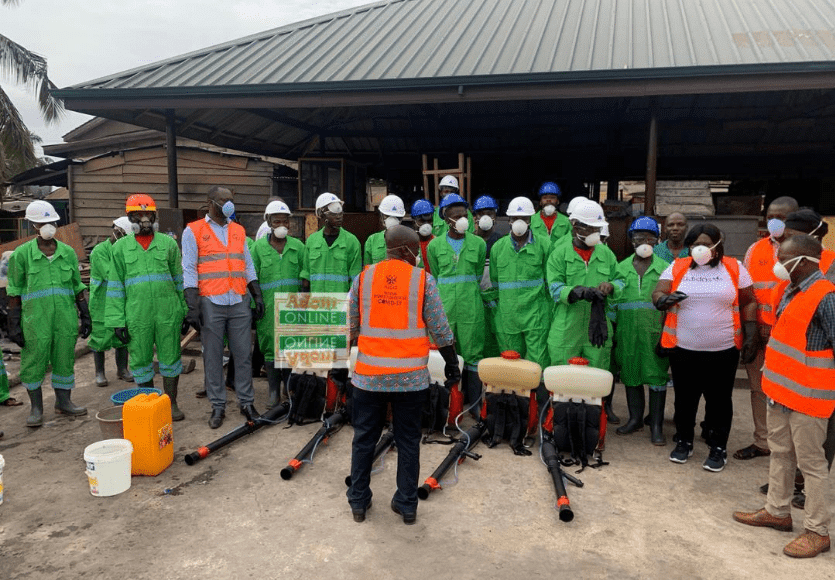
Some officers of Zoomlion Ghana Ltd preparing for a fumigation exercise in 2020. Picture Credit: Adom Online
Research and Policy Analyst at Policy Think Tank, Imani Ghana, Bright Simons, said at the time that the decision to contract Zoomlion Ghana Limited for a fumigation exercise was driven by commercial interest rather than public health interest.
Then Deputy Minister of Local Government and Rural Development, Osei Bonsu Amoah told the media that he agrees with the assertion.
“Whoever says this spraying kills the virus is not being truthful. The spraying only coincided with the coronavirus,” he said in a media interview.
More Zoomlion scandals with the MMDAs fumigation and others
The report revealed that the Ministry of Local Government and Rural Development had, in 2015, signed contracts worth GH¢98 million with 11 other subsidiaries of the Jospong Group of Companies to undertake fumigation exercises across the country when Zoomlion Ghana Limited had already been paid by the district assemblies and the Ministry of Health to do the same job through multiple contracts.
In 2016, a similar contract worth GHS 96 million was again awarded to the Jospong Group but there was no evidence of work done. The police investigated these scandals and submitted dockets to the Attorney-General but nothing came out of the investigation.
Manasseh’s “Robbing the Assemblies” investigation further exposed how the Jospong Group of Companies had inflated the cost of a waste bins contract awarded to it through sole-sourcing by at least GH¢130 million.
The 2020 Auditor-General’s Report recommended the retrieval of GHS 95 million cedis from Zoomlion’s sister company, Sewerage Systems GH. Ltd. The Auditor-General said the government had paid the money to the company without any contractual arrangement.
The government did not retrieve the money but proceeded to pay more to the company.
The Finance Ministry’s response to an RTI request by The Fourth Estate revealed that the Akufo-Addo government had disbursed GH¢156 million from the Sanitation and Pollution Levy imposed on Ghanaians to Sewerage Systems GH. Ltd.
The Auditor-General ordered the Administrator of the DACF, Irene Naa Torshie Addo, to recover the funds which went into waste treatment plant construction by the Sewerage Systems Ghana Limited (SSGL).
SSGL has been receiving the funds since 2016 without any legal backing, the Auditor-General said. However, the payment of GHc 19 million in 2020, being an outstanding amount for the GHS 95 million, triggered an enquiry by the Auditor-General.
For the years 2021 and 2022, even though the company committed similar contractual breaches resulting in financial losses to the state, the A-G failed to quantify the value of the losses.
Five health facilities and a Nursing and Midwifery College in three regions across the country are yet to receive nine VW vehicles they have partly paid for since 2021.
Although the Director General of the Ghana Health Service (GHS), Dr Patrick Kumah-Aboagye, told The Fourth Estate that the beneficiary institutions had received the vehicles, it has emerged that they’ve rather asked for a refund which is also yet to be paid. The hospital authorities said the refund was because the supplier failed to deliver the cars.
This hire-purchase arrangement required interested facilities to pay an initial deposit of 15% of the total cost of the vehicle and a standing order from their bankers until the entire price of the car is settled.
The failure to deliver the vehicles is contained in the 2022 Auditor-General’s report which tracked the financial record of state agencies across the country.
The Auditor-General said despite fulfilling the payment of 15% of the required initial down payment in 2021, the cars, which are assembled in Ghana, have not been delivered and the monies have been locked up, contributing to the existing mobility challenges of health professionals to provide healthcare delivery.
Ghana Health Service Director General says vehicles delivered
Director General, Ghana Health Service, Dr. Patrick Kuma-Aboagye.
In contrast to the Auditor-General’s report, the Director General of the Ghana Health Service, Dr Patrick Kuma Aboagye, told The Fourth Estate on August 2, 2023, that all the hospitals had received the cars.
When The Fourth Estate contacted Dr. Kuma-Aboagye, today, August 3, 2023, on which company was to supply the vehicles, he declined to comment but said “We will respond to the Public Accounts Committee when we get there.”
To clarify the contradictions, The Fourth Estate also spoke to heads of the institutions mentioned in the report.
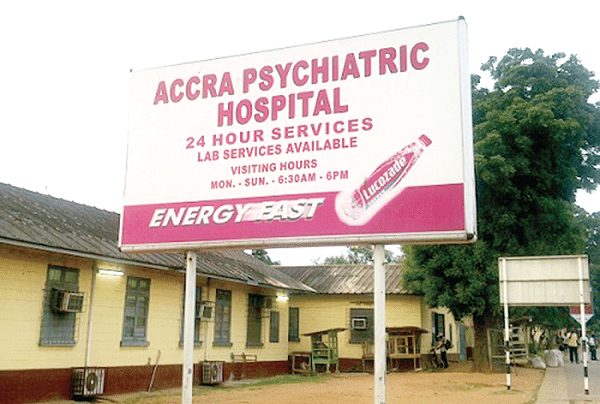
ACCRA PSYCHIATRIC HOSPITAL
Accra Psychiatric Hospital Credit: Citinewsroom
The immediate past Director of the Accra Psychiatric Hospital, Dr. Pinaman Appau, who supervised the payment, stated that not long after the payment, the hospital was informed that the manufacturer had decided not to continue with the deal.
“We were told that because of inflation, they were no longer supplying the vehicles,” she told The Fourth Estate.
The audit report did not state the total cost of the car that the Accra Psychiatric Hospital was paying for; the hospital, however, made an initial deposit of over GH¢77,000 for the supply of 2 VW vehicles.
“In 2021, the Hospital paid a total amount of GH¢77,060.59 in a hire purchase arrangement into the Ghana Health Service Ecobank Ghana Ltd bank account for the supply of one VW Trendline Amarok Pickup and one VW Teramount SUV. However, the vehicles had still not been delivered to the Hospital.”
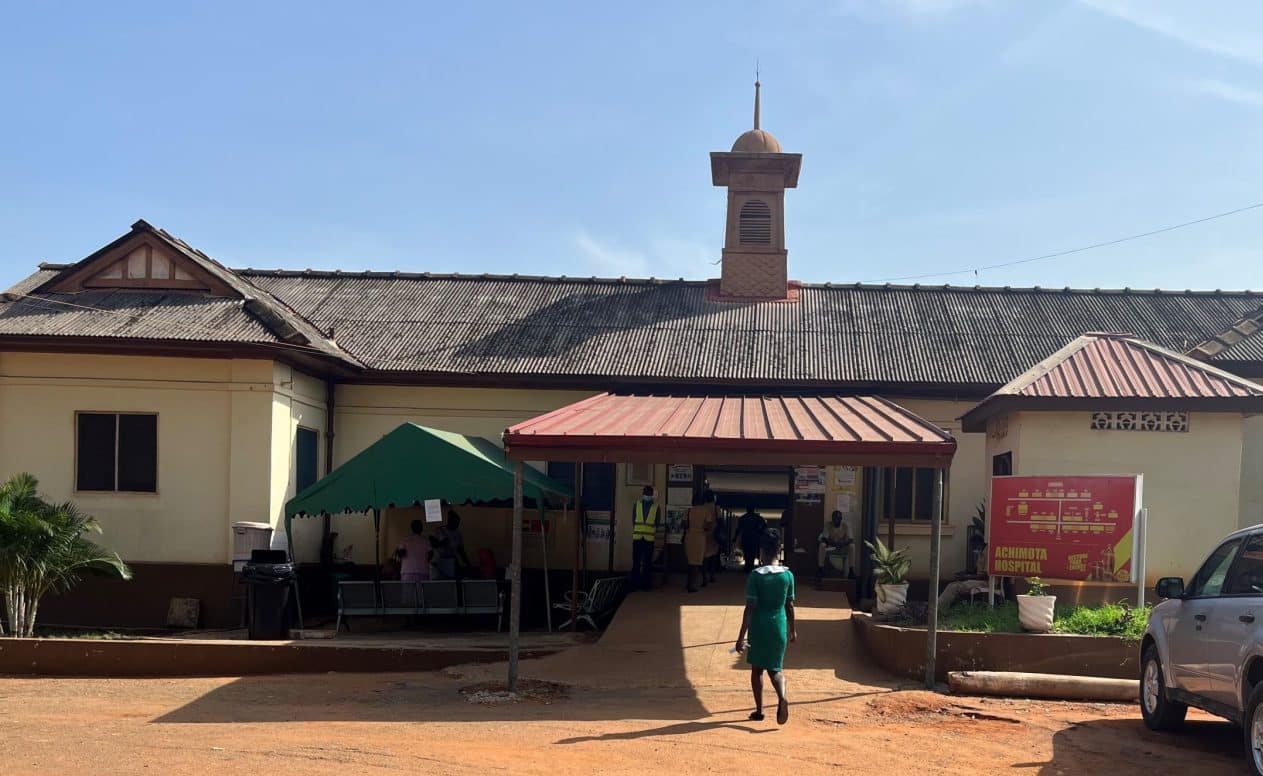
The Medical Director of the Achimota Hospital, Dr. Anita Sowah, told The Fourth Estate that the cars are no longer going to be delivered.
“We did not receive any car. We have written for a refund, but we are yet to receive it.”
The report said the Achimota Hospital in Accra made an initial deposit of over GH¢ 66,000 in August 2021 but is yet to take delivery of the VW Teramount SUV.
“Our audit of payment vouchers and vehicles documents disclosed that management paid an initial deposit of GH¢66,831.37 on 30 August 2021 and GH¢10,068.62 monthly standing order on 14 December 2021 into the Ghana Health Service Ecobank Ghana Ltd account in a hire-purchase arrangement for the purchase of one VW Teramount SUV without delivery of the asset.”
SHAI OSUDOKU DISTRICT HOSPITAL
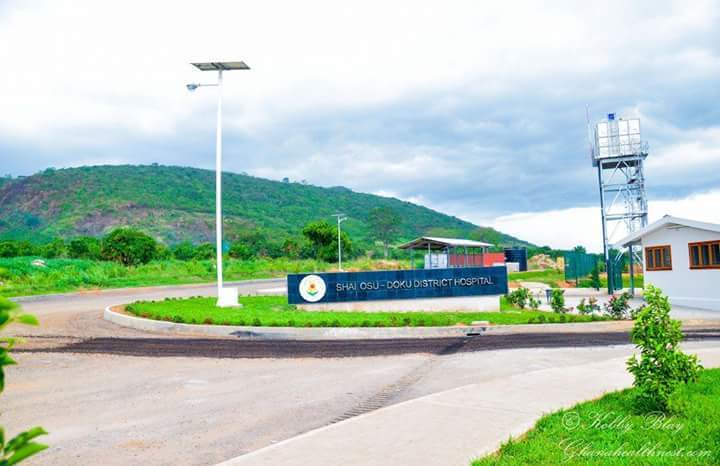
The Central View of the Shai Osudoku Government Hospital. Picture credit: Kobby Blay
At the Shai Osudoku District Hospital, the story was no different. The Medical Superintendent, Dr. Kennedy Brightson, said, “They [the suppliers] pulled out of the car supply programme, so the Director General informed us to write for a refund for the monies we have paid, and we did that.”
While the agreement said the facilities are to pay a 15% deposit of the cost of the car, the Shai Osudoku District Hospital located at Dodowa, Accra, paid more.
“We noted that Shai Osudoku District Hospital paid a total amount of GH¢157,448.95 into the Ghana Health Service Vehicle Hire Purchase Collection Account representing 26.06% of the total cost of GH¢604,117.20 for one VW Teramont vehicle which had not been delivered.”
SUNYANI MUNICIPAL HOSPITAL
In Sunyani, the Municipal Hospital also made a deposit which is a little above the agreed 15%, according to the Auditor-General’s report.
“Contrary to the above, the Hospital paid a total amount of GH¢68,228.47 into the Ghana Health Service Vehicle Hire purchase collection Account for the purchase of one VW Trendline Amarok Pick-up vehicle which had not been supplied.”
REGIONAL MEDICAL STORES – SUNYANI
The Ahafo Regional Medical stores located in Sunyani, which serves some of the hospitals in the Northern belt, including the referral facility, Holy Family Hospital, paid over GH¢200,000 for four vehicles.
“Our review of expenditure records revealed that between January 2022 and June 2022, management transferred a total amount of GH₵208,175.78 into Ghana Health Service Vehicle Hire Purchase Collection Account for [the]acquisition of four VW Trendline Amarok pickups on hire purchase instalment basis, but the vehicles had not been delivered.”
ASSINMAN NURSING & MIDWIFERY TRAINING COLLEGE
The Assinman Nursing and Midwifery Training College wanted an SUV that cost almost GH¢ 700,000 so it made an initial deposit of almost GH¢ 100,000 for the vehicle by November 30, 2022. A year on, however, the College is yet to take delivery of the vehicle contrary to the agreement, according to the Auditor-General.
“The Management of the College on 16 August 2022 entered into a hire purchase agreement with Ghana Health Service for the supply of VW Teramont SUV vehicle at a cost of GH¢670,948.77 upon a deposit of GH¢66,683.37 into a designated account by 31 August 2022 for the release of the vehicle and thereafter a monthly payment of GH¢10,068.62 until the full amount is paid off.
“We noted that though the College had paid a total amount of GH¢97,037.23 as of 30 November 2022, the vehicle had not been supplied.”
The Fourth Estate could not reach the Sunyani Municipal Hospital, the Regional Central Medical Stores in Sunyani, and the Assinman Nursing and Midwifery Training College for comment.
In all the above cases, the Auditor-General recommended to the management of the institutions that “the Hospital Director should follow up with the Director General, Ghana Health Service for the delivery of the vehicles,” failing which the deposits made should be refunded without further delay.”
VW’s sole distributor in Ghana denies knowledge of the agreement
In November 2021, when some facilities which paid for the first batch had received their vehicles, Dr. Kuma-Aboagye said the GHS had arranged for a vehicle hire purchase scheme for income-generating and self-financing health facilities.
“Under this scheme, health facilities are expected to make payments for vehicles within 60 months under the hire purchase price of GH₵ 325,000 for each vehicle,” he stated.
The Minister of Health, Kwaku Agyeman-Manu, who handed over the first batch of 49 VW vehicles to the GHS said the automobiles would assist in the delivery of quality healthcare delivery across the country.
“These vehicles will go a long way to augment our transport fleet and ensure that health services are brought to the doorstep of clients, especially in remote communities.”
According to multiple media reports, the minister said in line with the government’s policy to help industrialise the economy, boost employment, encourage investment, and preserve foreign exchange, ministries, departments, and agencies (MDAs) were directed to source such procurements from locally assembled vehicles.
Meanwhile, Universal Motors Limited, the sole distributor of VW vehicles in Ghana, denied knowledge of the hire purchase agreement with the Ghana Health Service.
The company’s CEO, Subhi Accad, told The Fourth Estate “If there was an agreement for the supply of such vehicles, we would have known.”
Editor’s note: After the publication of this story, the Director General of the Ghana Health Service, Dr Patrick Kuma-Aboagye, called to confirm that the accounts of the various hospitals regarding the vehicles not being supplied were accurate.
The Lighthouse Chapel International (LCI) has withdrawn a car it gifted a former bishop of the church, Kwame Yirenkyi Ampofo, during his service to the church.
Mr. Kwame Ampofo, an engineer by training, says the Auto Theft Unit of the police Criminal Investigations Department (CID) is currently investigating him for stealing the car in contention.
He said the Chevrolet Tahoe was given to him in 2016 after it had been used by the wife of the founder of the church, Mrs. Adelaide Heward-Mills, from 2013 to 2016. He said the Healing Jesus denomination of the church then gave it to him as a gift in 2022 after it dismissed him over a misunderstanding between him and the leadership of the church.
The church said while it was yet to transfer the ownership of the car to Bishop Ampofo, he had begun to attack the church, hence, the decision to revoke the gift.
“However, before we could actually effect the transfer of the ownership of the car to you legally, you began to attack and insult the church which has been so benevolent to you. This was both a surprise and a shock to the Lighthouse Chapel International in the light of the long history of kindness and honour shown to you,” the church said in a July 4, 2023, letter signed by the Convener of the Bishop’s Council, Bishop Dr. Kofi Hene Asare.
The church said even though it had early on communicated the gift to the bishop, it was at liberty to change its mind.
“… The church is entitled to change its mind on decisions about its intentions on any subject. The church no longer wishes to give you the car because we have had a change of mind and because we never actually transferred ownership to you. We WILL NOT transfer the ownership of this car to you,” it said.
The church dismissed Mr. Ampofo in December 2022, following what it says “are based on multiple church’s documents, meetings and the values of our organization.”
Until his dismissal, Kwame Ampofo, 52, was a bishop in charge of the Nsawam area of the church he had joined in 1995.
He said he was appointed a lay pastor in 1999 and resigned from his work to work full-time for the church in 2006. He was ordained a reverend minister in 1997 and consecrated a bishop in 2017.
Since his dismissal in December 2022, Mr. Kwame Ampofo has renounced the bishop title the church ordained him and has taken to social media to correct what he calls lies against him by some top bishops of the church.
As part of his protests against what he calls unbiblical practices of Lighthouse Chapel is the burning of books written by the founder of Lighthouse Chapel, Bishop Dag Heward-Mills, live on social media.
A lawyer for Lighthouse Chapel, Kweku Y. Pantsil, first wrote to Mr. Ampofo in January 2023 to revoke the car gift from the church. The grievance of the church was that Mr. Ampofo had said the vehicle was a compensation package instead of a gift.
Lawyer Paintsil’s letter said, “By your decision to take the car as compensation, instead of a gift, you have expressly repudiated the offer of gift to you, compelling our client to accept your repudiation and, thus, nullifying the offer of a gift.”
In another letter, also dated January 11, 2023, Mr. Paintsil mentioned Mr. Ampofo’s attacks on the church after what he called “badmouthing” of the church.
“However, notwithstanding the foregoing, it has come to our client’s notice that your initial euphoria about the generous gift of GH¢300,000.00 has dissipated and the same replaced with your good self going around and unburdening yourself of gratuitous insults to the church and its leadership.”
The church says it expected the bishop to reject the gifts and take any action he deems appropriate since he claimed he was wrongfully dismissed.
“However, since it appears that you intend to pocket the gift and also maintain a right to go about badmouthing our client, we are under our client’s instructions to request that you do forthwith refund the said “gift” to our client without prejudice to your unfettered right to maintain any cause of action you consider appropriate,” one of the letters signed by Kweku Paintsil stated.
The church said despite several attempts to get the car returned, Mr. Ampofo has refused to give it back to the church. This, it says, prompted it to report the case to the police to determine the rightful owner of the car.
“The decision to report the matter to the police is very simple: since you refuse to hand over our bonafide property we have referred the matter to the Police who we believe are better suited at determining the true ownership of the car at this time.”
“There is nothing in the docket to show that the suspect refused to surrender the vehicle to LCI when they requested the suspect to return the vehicle,” a legal opinion signed by Assistant State Attorney, Akosua Agyapoma Agyeman, stated.
“It is therefore our opinion that the charges of stealing cannot be sustained against the suspect. From the foregoing, we dis-recommend the prosecution of Emmanuel Oko Mensah,” the November 3, 2022, letter ended.
The letter from the Attorney-General was written in response to a petition filed by Oko Mensah’s lawyer, Kofi Bentil, who condemned the prosecution as malicious.
He said the church was only doing this because his client and five other former pastors had sued it for trauma and economic exploitation.
You may also read:
https://thefourthestategh.com/2023/06/29/bishops-governing-handbook-not-binding-on-anybody-lighthouse-witness-tells-court/
One of the eight persons standing trial following the school placement fraud exposé by The Fourth Estate has revealed that a member of her syndicate squandered the money they collected from The Fourth Estate with the promise of changing placement.
One of the accused, Rachel Naa Dedei Aryeetey, who volunteered this information, explained in court that it was her accomplice’s impropriety that caused her delay to place a student into her school of choice despite receiving GHS 11,000 from The Fourth Estate undercover team.
The Fourth Estate team undertook an undercover stint that sought the placement of a student posted to Aburi Presbyterian Senior High School to be changed to Wesley Girls Senior High. This was to investigate alleged corruption in the school placement process. A member of Ms Aryeetey’s syndicate demanded and collected an amount of GHS 11,000 to effect the change.
“I want you to understand that your money was spent by someone,” Ms Aryeetey explained during the cross-examination of the second prosecution witness, The Fourth Estate journalist, Adwoa Adobea-Owusu, at the circuit court in Accra on Wednesday, June 14, 2023.
Ms Aryeetey, however, failed to disclose the name of the accomplice who took the money and spent it without effecting the change of placement.
Ms Aryeetey had to cross-examine The Fourth Estate journalist when the case was called because her lawyer, John Agbotey, failed to appear in court.
Justice Evelyn Asamoah, who’s presiding over the case said the lawyer’s written notice of absence which did not come with a medical report is not satisfactory.
She, therefore, compelled the accused to do her own cross-examination.
The case has since been adjourned to Wednesday, July 5, 2023.
The Fourth Estate investigations revealed that the eight accused persons worked with other intermediaries to manipulate school placement for students into senior high schools after demanding and collecting monies ranging from GHS 8,000 to GHS 20,000.
The eight have been charged with the crime of conspiring with public officers to commit a crime “using public office for profit [inserted by act 458, sec 3] contrary to section 179C [B] of the criminal offences act 1960[Act 29].”
The eight are Eric Aggrey, 36, a cleaner, Rachel Aryeetey, a caterer, Isaac Mensah, and Gilbert Afriyie Nkrumah, 23. The rest are Sebastian Appram, a staff of the Fisheries Commission’s Tema Regional Office, Bernard Kusi Agyemang, an operations manager with a logistics company, Eugenia Abigail Ahiable, an administrator, and Daniel Opoku, a foreman.
Two other persons, Atta Kuffuor Junior and Atta Kuffuor Senior are on the run for a similar offence.
Eric Aggrey, with the assistance of other intermediaries, changed placement from Apam Senior High School to Aggrey Memorial AME Zion School and from Presbyterian Senior High Technical School, Aburi, to Mfantsiman Girls in the Central Region.
Aggrey and his network demanded and collected GH₵ 19,500 for placing two candidates at Aggrey Memorial and Mfantsiman Girls, both in the Central Region.
Both Mr. Aggrey and Ms Aryeetey confessed to taking money from some people with the promise of manipulating the school placement system.
Ms Aryeetey also admitted and mentioned another accomplice, a private security guard in a basic school opposite her house as the facilitator for everyone she had assisted to get placement changed.
Investigation revealed that no member of the syndicate could have placed a student in any of the Category A schools without the involvement and approval of the Minister for Education or the Director-General of the Ghana Education Service (GES), Prof Kwasi Opoku Amankwah, the only two individuals with passwords to Category A schools.
This means that changing the placement of students from other schools to Mfantsiman Girls Senior High School or Aggrey Memorial AME Zion Senior High School could only have been made with the approval of these two persons.
Prof Kwasi Opoku Amankwah has, however, extricated himself by explaining that his access was withdrawn just a week after the 2022 school placement began.
He said the alleged corruption in the school placement came to his attention but when he called for a thorough investigation into the matter, the state security agencies stopped the investigations with directives from ‘powers from above’. Prof Kwasi Opoku Amankwah was removed from office a few weeks after this.
The Minister of Education, Dr. Yaw Osei Adutwum, has on two occasions failed to appear before the Education Committee of Parliament to respond to allegations concerning the scandal that rocked the placement of students into senior high schools in 2022.
According to the Deputy Ranking Member of the Education Committee, Dr Clement Apaak, the Minister gave an excuse for his absence in parliament on Thursday, February 2, and was subsequently re-scheduled to reappear on February 11, 2023.
The education minister failed to honour the second invitation by parliament.
“Unfortunately, the minister is yet to appear before the committee. But I know that the leadership of the committee has extended an invitation to [him] on two occasions. We expected the minister to appear before the committee but he could not attend because he was engaged in other activities,” Deputy Ranking Member of the Education Committee, Dr Clement Apaak laments.
The Builsa South legislator says he finds the excuses “untenable and unacceptable” and adds that Dr Adutwum has failed to honour similar invitations in the past.
“Even before the [school] placement [scandal], there was an issue about some World Bank project called the GALOP [Ghana Accountability for Learning Outcomes Project] where the committee extended an invitation to the minister but he failed to appear. I think the minister ought to treat the Education Committee with some respect.
“Ghanaians are beginning to have the impression that the parliamentary select committee is not up and doing. I think it is unfortunate to draw that conclusion, given what I know,” Dr Apaak said.
Dr. Apaak blamed the leadership of the committee for tolerating the many excuses from Dr. Adutwum.
When The Fourth Estate asked about the implications of failure to appear before a parliamentary committee, Dr Apaak said there could be sanctions. However, it is only the chairperson of the committee who can impose these sanctions.
“This is where I have a challenge with the way the system is set up. Because it is usually the governing party that is in the leadership of such committees. They also have the tendency to be protective of their party. They have the propensity to be less assertive and demanding of ministers of state and I think that is very unfortunate because it doesn’t serve our democracy well,’’ he added.
However, the Chairman of the Education Committee, Kwabena Amankwa Asiamah, told The Fourth Estate that Dr Adutwum had been out of the country on the occasions he was expected before the committee.
“We did a lot of meetings in which the education minister was not in the country, but we are trying to fix a date for him. We have been given assurances that he will meet the committee, but because of the election of our colleagues in the NDC, it’s been difficult to plan on a weekend. So, we are planning to do that just after their election,” Mr. Asiamah explains.
Background
The Fourth Estate launched an investigation into some allegations of corruption in Ghana’s 2022 computerised school selection and placement system (CSSPS). The investigation uncovered how a syndicate sold admission slots to students who wanted placement in Ghana’s most sought-after senior high schools.
The syndicate demanded and took GH₵ 8,500 and GH₵ 11,000 to change placement from Accra Wesley Girls to Aggrey Memorial Zion School and from Aburi Presbyterian Senior High School to Mfantsiman Girls Senior High School.
After the exposé, the Director General of the Ghana Education Service, Dr. Eric Nkansah, at a meeting to announce the 2023 school placement, assured the public that measures have been put in place to prevent corruption in the 2023 school placement. He, however, refused to give details of the specific security measures the institution had put in place.
Not much changed in 2023
The Ministry of Education and the Ghana Education Service assured the public that they would strictly adhere to the rules governing the Computerized School Placement System (CSSPS) during the 2023 school placement process.
Although The Fourth Estate could not confirm money exchanging hands when it visited the GNAT Hall during the 2023 placement into senior high schools, some parents alleged that not much had changed after the exposé.
A parent, who asked for anonymity, said while he had been at the centre for two days, nobody approached him for money, but some parents complained to him that money was exchanging hands for students to be placed in higher grade schools.
The Fourth Estate received a voice note from a teacher in one of the basic schools which revealed that some persons visited some basic schools to influence parents and teachers to pay money to influence the placement of their wards. This was before the school placement was announced.
Additionally, The Fourth Estate grabbed screenshots of some persons who advertised category A schools’ slots for sale on social media platforms.
In spite of these alleged infractions, the Ministry of Education described the 2023 placement system as a successful one.