Author: Seth J. Bokpe

  • Property rate sham:  How assemblies lost millions of cedis through questionable deal with Jospong-linked Company

    Property rate sham:  How assemblies lost millions of cedis through questionable deal with Jospong-linked Company

    When the Nana Addo Dankwa Akufo-Addo administration centralised property rate collection through a digital platform in 2023, the decision was hailed as an attempt to seal leakages, increase local revenue mobilisation and modernise a struggling system that assemblies had long battled to manage.

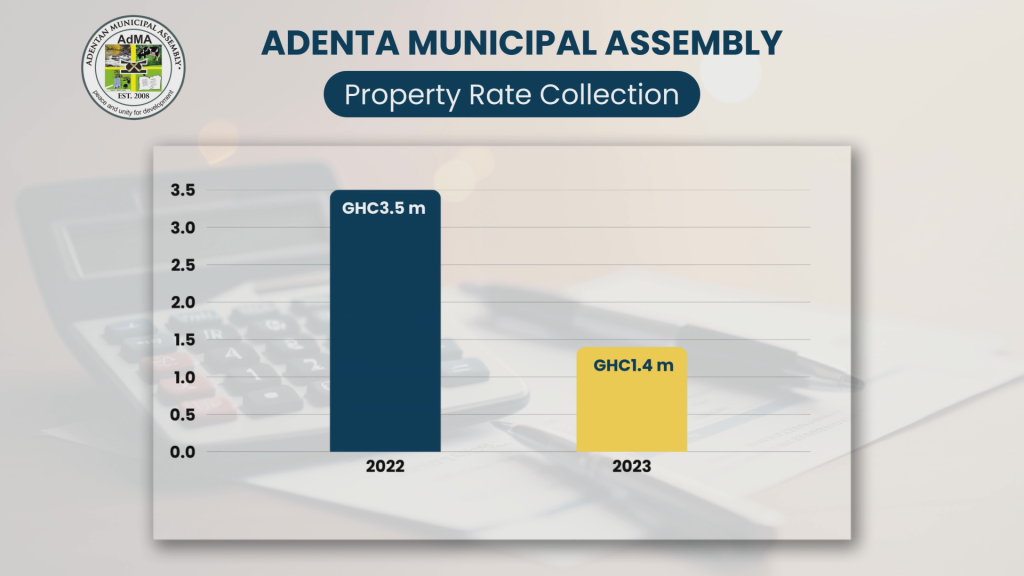
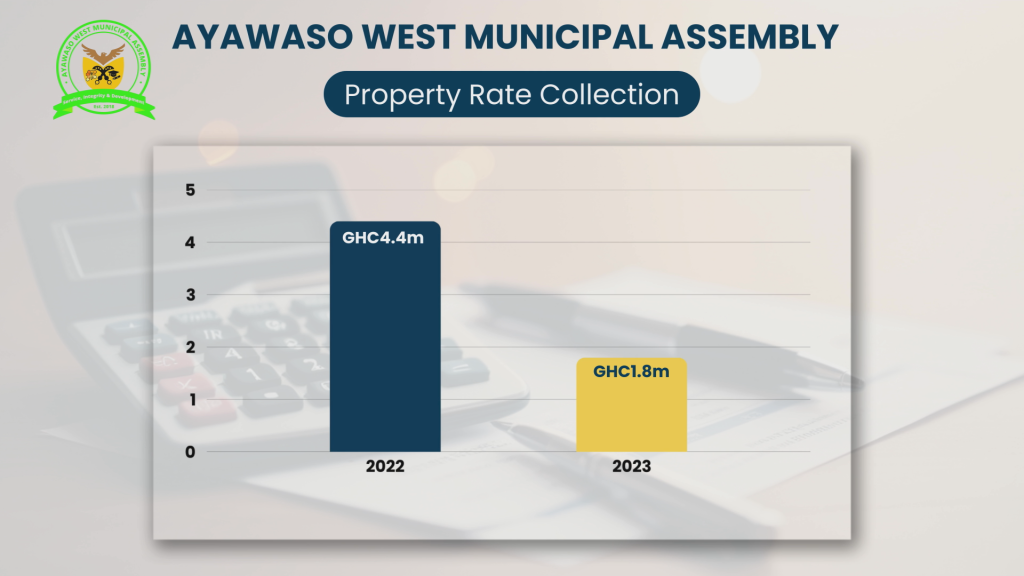
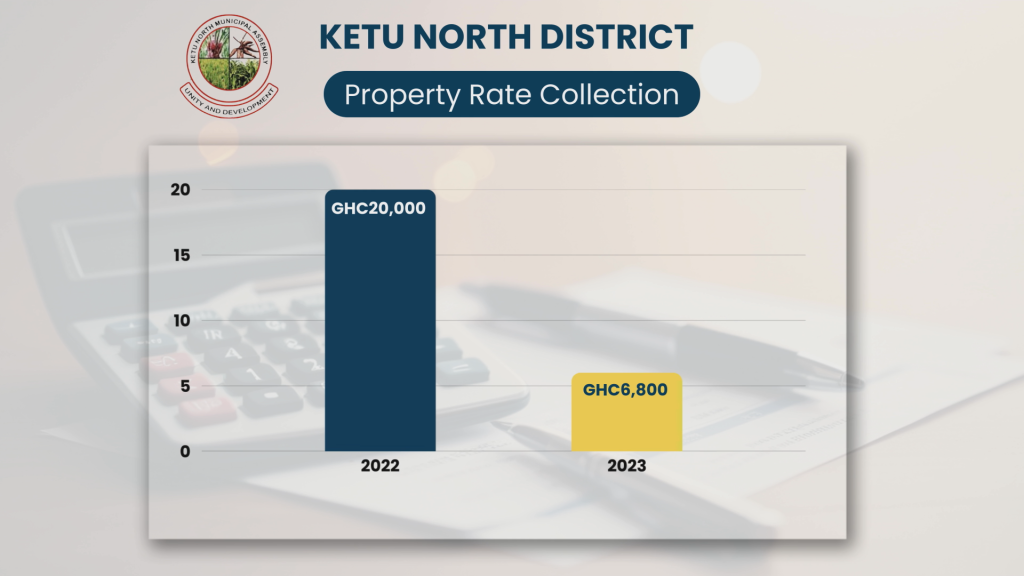
    Instead, an investigation by The Fourth Estate has revealed that the policy caused a sharp decline in revenue collection across metropolitan, municipal and district assemblies (MMDAs), and raised questions over how much money was collected and transferred to the assemblies under the system.

    The policy shifted responsibility for property rate collection from district assemblies to a centralised platform managed by a private company called Digital City Solutions.

    Before the transition, some assemblies had already begun implementing their own digital property rate systems under a pilot programme funded by the German International Development Agency (GIZ). The Kumasi Metropolitan Assembly (KMA), for instance, had developed a property and business database to improve local revenue mobilisation.

    But those initiatives were halted following the government’s directive.

    “We started collecting property rates from commercial properties, but before we rolled out the residential part, we were asked to hand over to GRA,” Eric Nunoo, the KMA Deputy Director of Budget, told The Fourth Estate. 
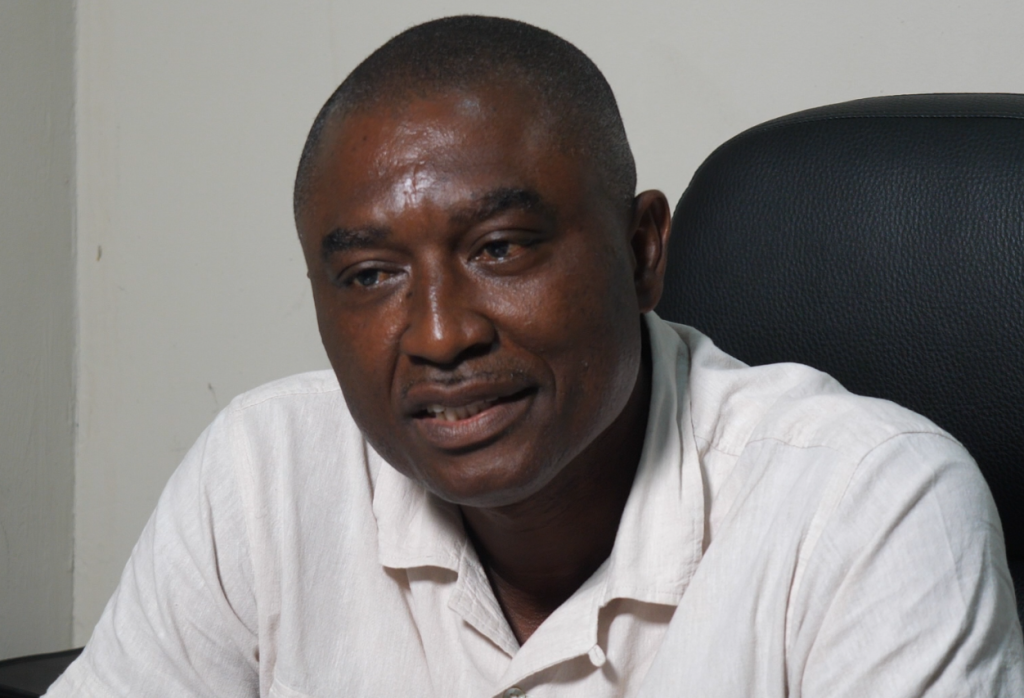
    Eric Nunoo, KMA Deputy Director of Budget

    Digital City Solutions, the company at the centre of the implementation of the new idea, was awarded the contract on May 16, 2022, roughly 10 months after it was incorporated.

    The then Vice-President Dr Mahamamudu Bawumia took to Facebook to announce the new digitalisation initiative to be known as the Unified Property Rate Platform.
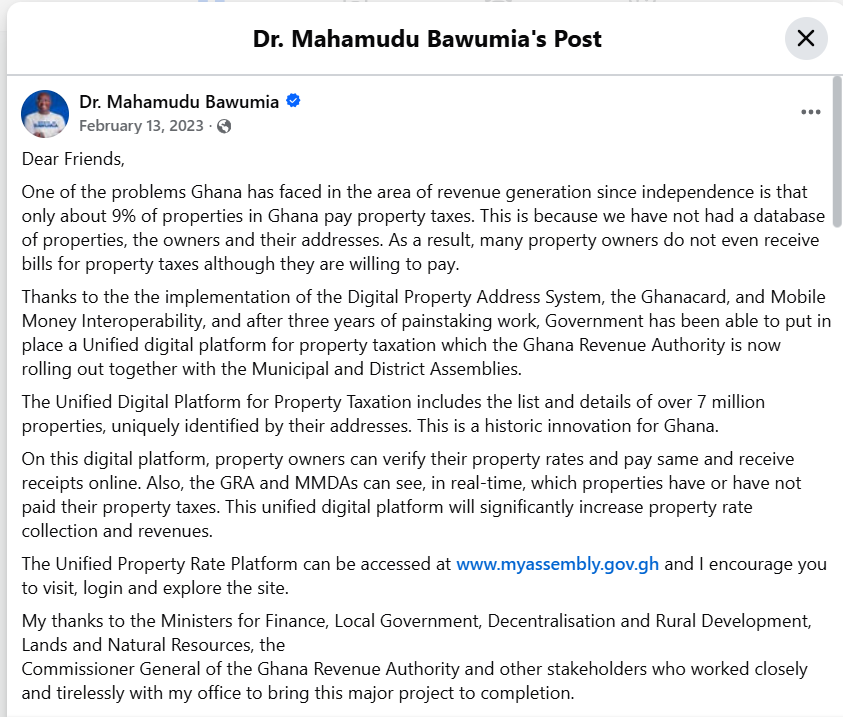
    The platform was expected to rely on a database of about seven million properties nationwide.

    However, data obtained by The Fourth Estate through Right to Information requests from some assemblies showed that revenues dropped sharply after the centralised system took effect.
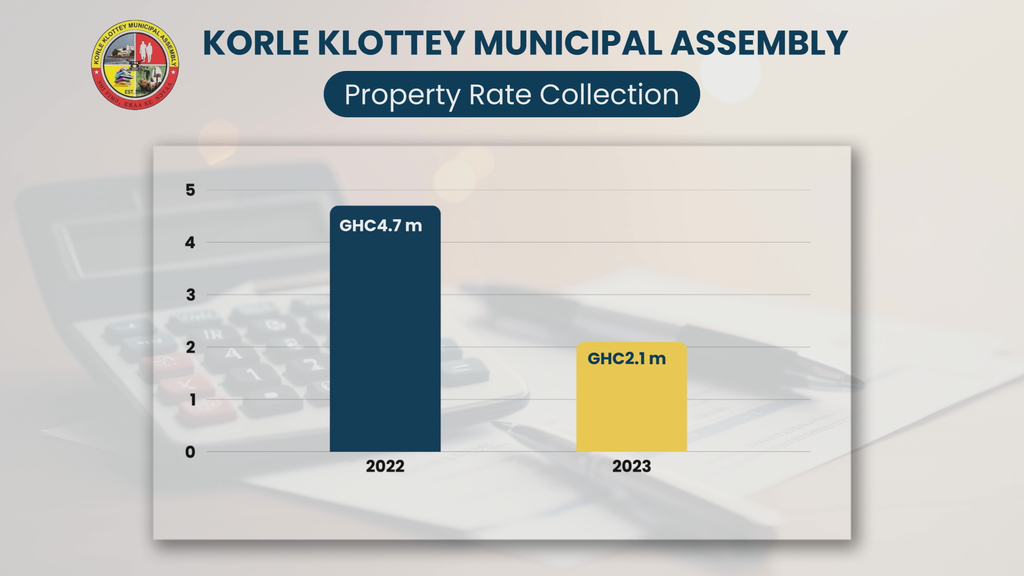
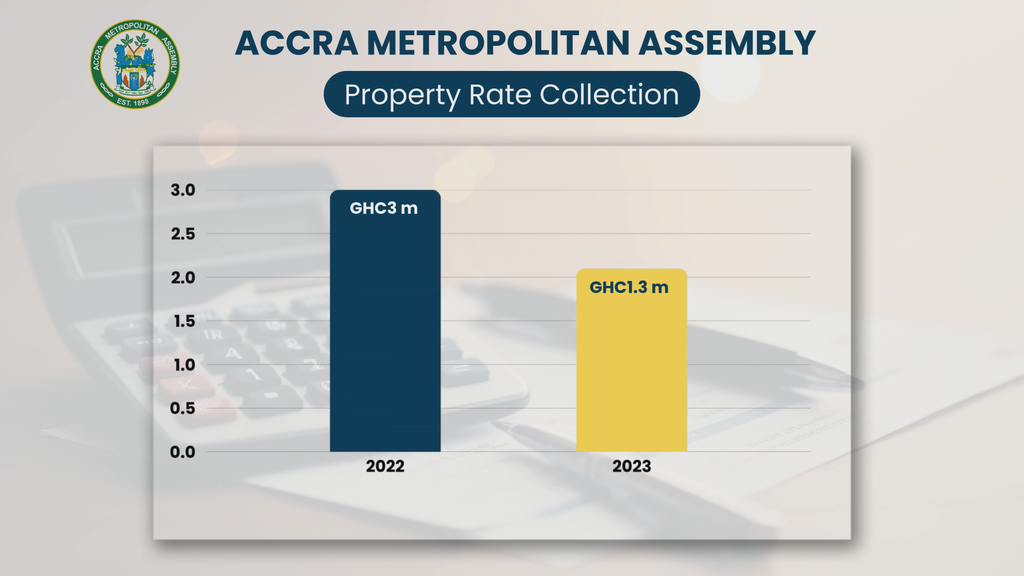
    Officials at some assemblies said the figures were far below previous collections. Eric Nunoo, Deputy Director of Budget at KMA, said the assembly had received less than GHS 400,000 under the arrangement by the third quarter of 2023.

    The revenue decline occurred even as some property owners reported significantly increased bills. A resident of Teshie-Nungua Estate, Emelia Quarshie, told The Fourth Estate her property rate jumped from GHC250 in 2022 to GHC850 under the new system.

    “I feel cheated,” she said. “Other residents within the estate are also complaining.”

    Despite mounting concerns from assemblies, the GRA publicly touted the programme as successful. However, several assemblies questioned why the reported collections were not reflected in transfers to them.

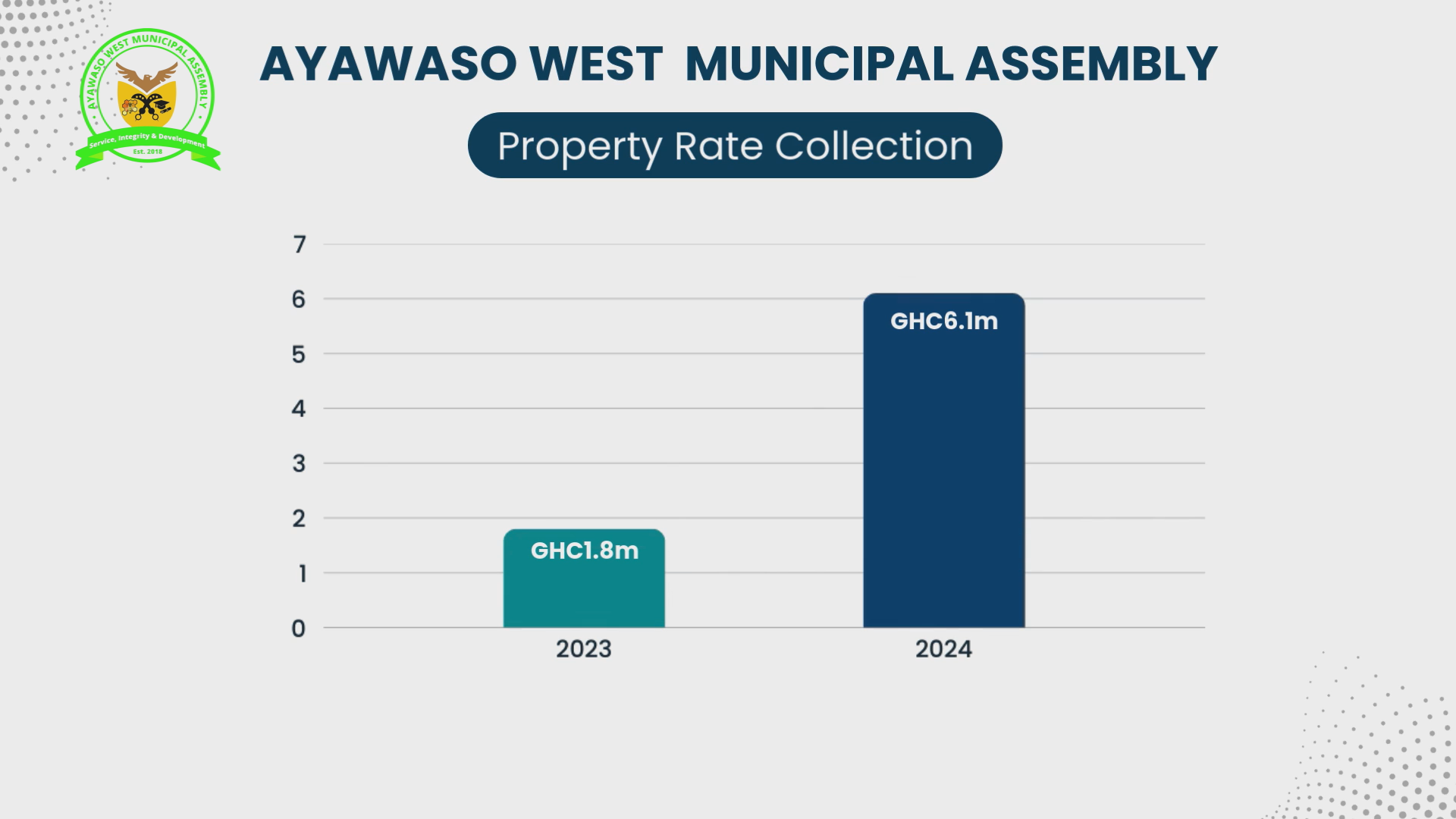
    As frustrations intensified, assemblies publicly called for the reversal of the arrangement. The government eventually returned the responsibility for property rate collection to the assemblies.

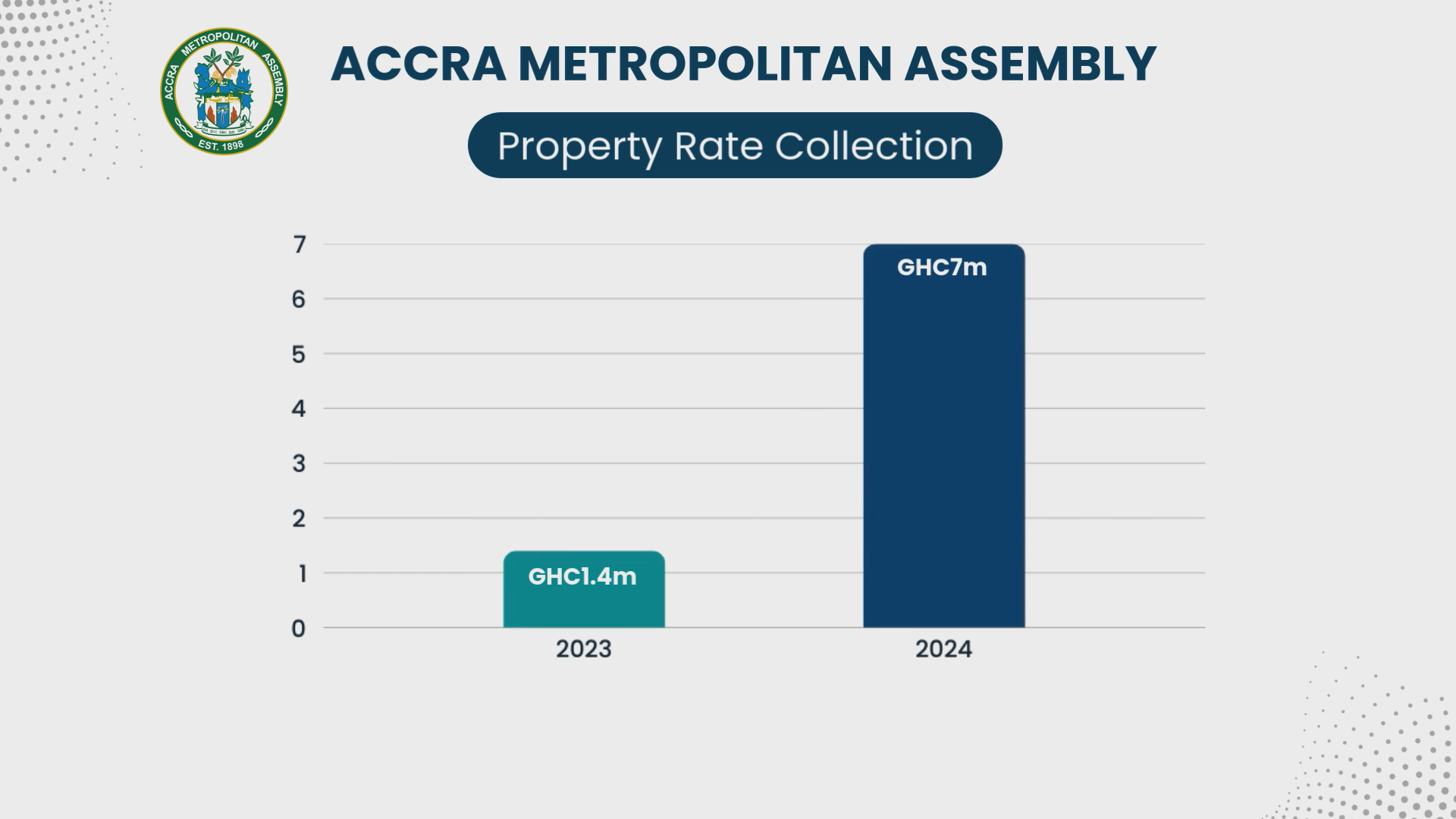
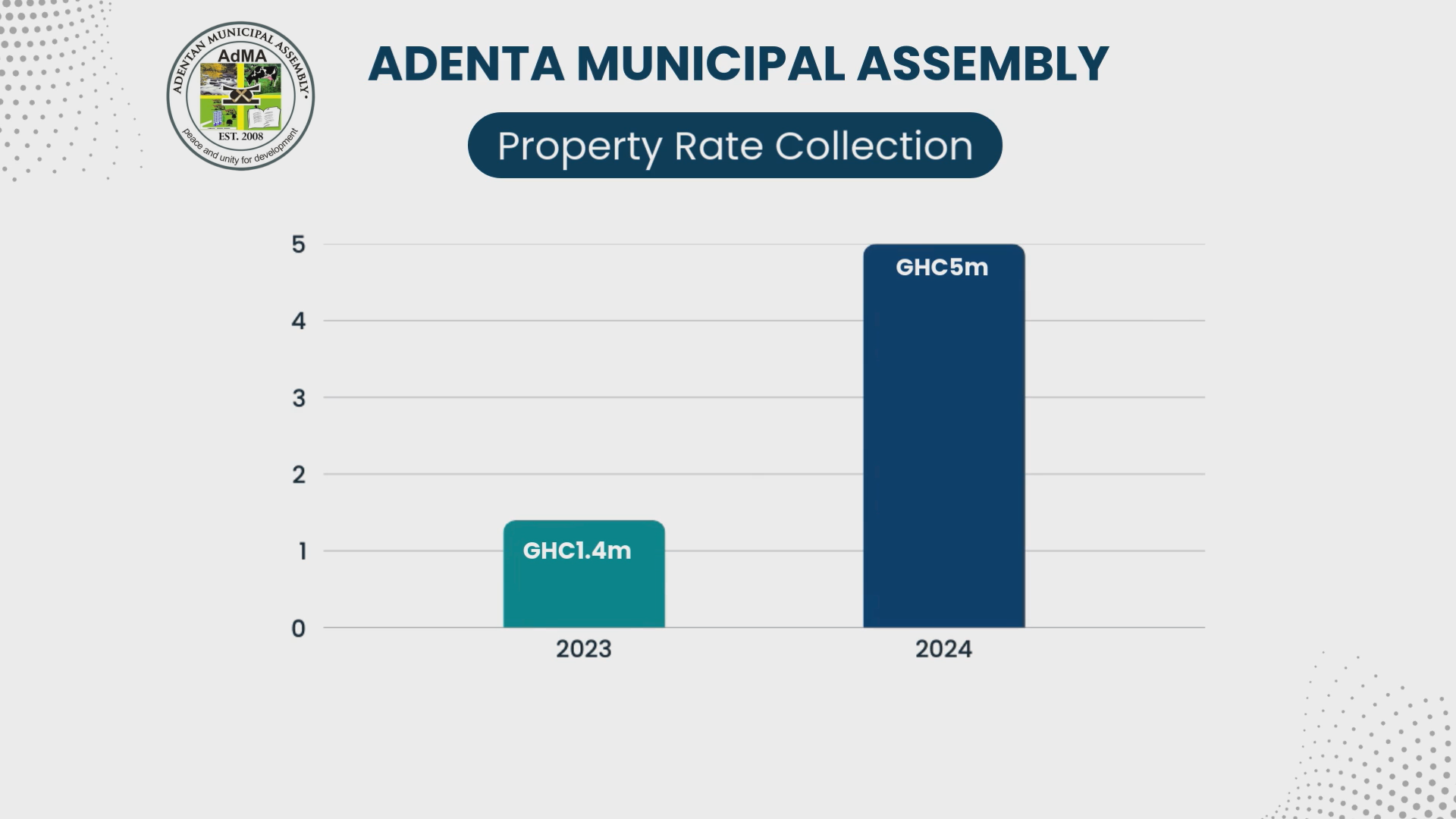
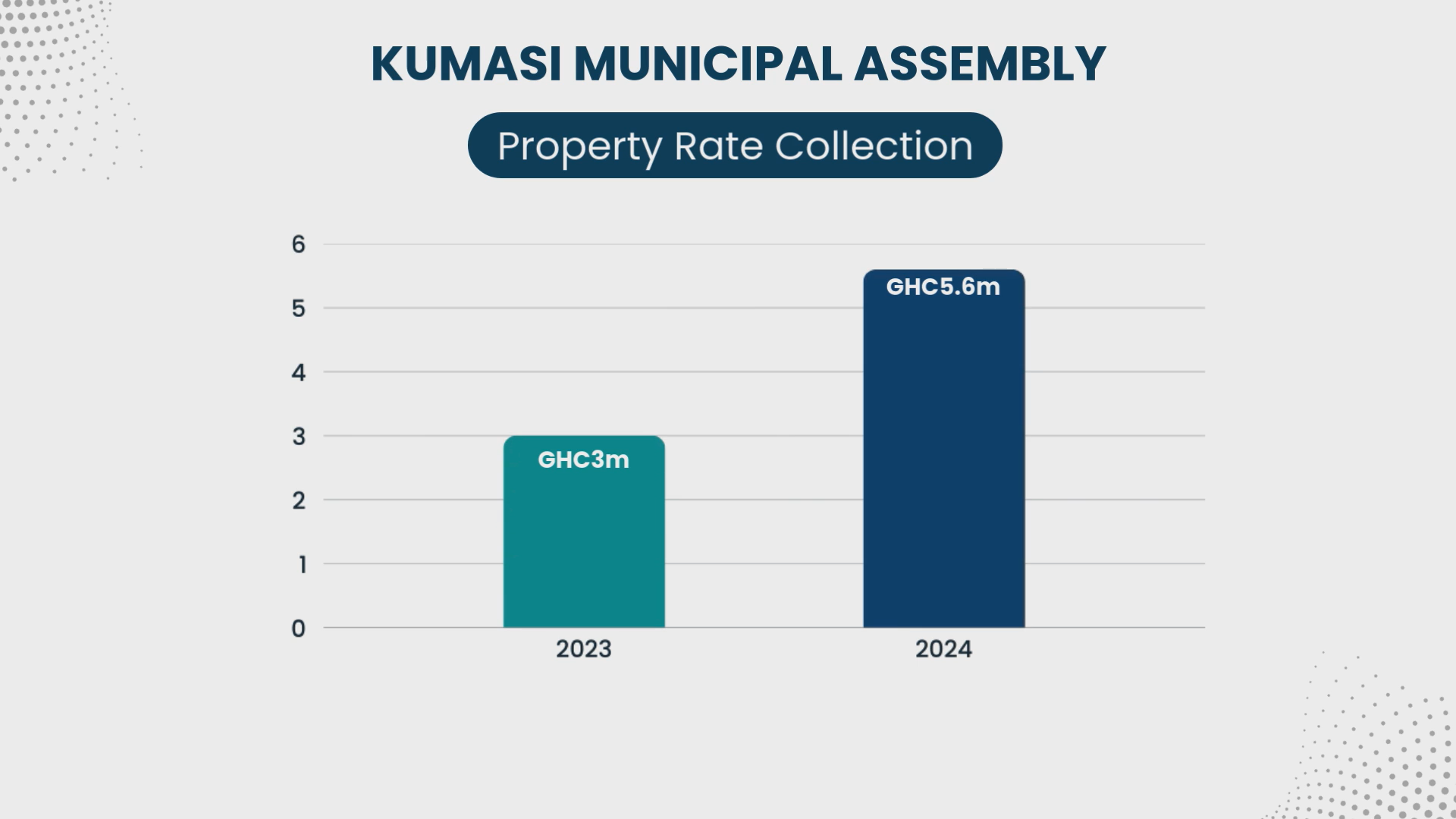
    That decision resulted in a significant turnaround for revenue collection by the MMDAs. 
    The controversy later surfaced in Parliament during the vetting of then Local Government Minister-designate Martin Adjei-Mensah Korsah. During questioning by then Minority Leader, now Finance Minister, Cassiel Ato Forson, Mr. Korsah acknowledged challenges with the system and pledged to recover outstanding funds owed to assemblies.

    The Fourth Estate subsequently requested a breakdown of all revenues collected on behalf of the assemblies from the GRA, as well as copies of contracts with Digital City Solutions.

    The GRA initially declined the requests, arguing that disclosure of the contract could harm the company’s “legitimate commercial and competitive interests” under Ghana’s Right to Information law.

    Months later, under compulsion from the Right to Information Commission, GRA released the data, which showed that the then Commissioner-General, Ammishadai Owusu-Amoah, signed the contract with the Managing Director of Digital City Solutions on May 22, 2022.

    Under the terms of the agreement, the platform set up by Digital City Solutions was to collect all the revenues and deposit them into the account of the Ministry of Local Government, Rural Development and Decentralisation.

    The assemblies were entitled to 70% of the gross revenue, with 15% going to Digital City Solutions and the remaining 15% to the government.

    Faces behind Digital City Solutions

    Investigations by The Fourth Estate found that Joseph Siaw Agyepong is listed as the sole beneficial owner of Melchia Investments Ghana Limited, a company holding 25 per cent shares in Digital City Solutions.

    The remaining 75 per cent shares are held by Casantey Business Solutions Group Limited, owned by Christian Asante, who is one of the beneficial owners of Digital City Solutions.

    When The Fourth Estate visited the company’s listed address in North Legon, Accra, there was no visible sign of Digital City Solutions operating there. Occupants at the premises said the office space was now being used by subsidiaries of the Jospong Group.
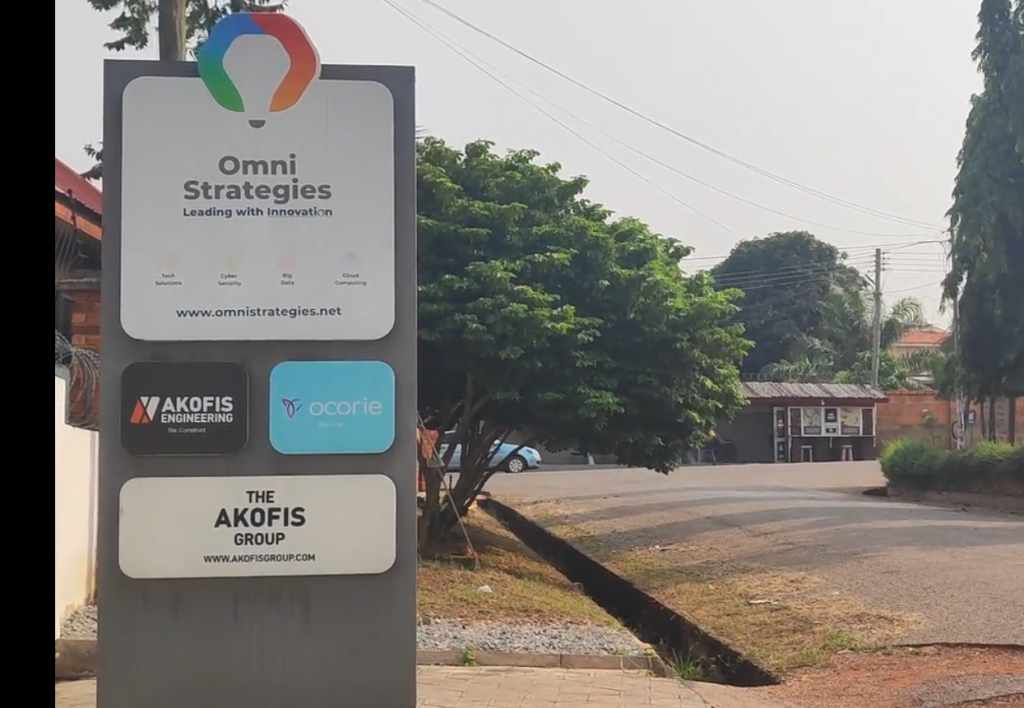
    The GRA did not respond to requests for interview. Casantey Business Solutions Group Limited also did not respond to requests for comment. Interview requests sent to Omni Strategies, a subsidiary of the Jospong Group operating at the listed address, also received no response.

    Officials from several district assemblies told The Fourth Estate they are yet to receive a full reconciliation of accounts showing how much money was collected on their behalf under the centralised system and how much was ultimately transferred to them.

    “What GRA collected, we never had the returns for to help us do the 2024 collection,” Mr Nunoo of the KMA said. “Because at the end of the day, you need to know who is owing, how much you collected from this or that person,” he said.

    He added that GRA never shared the database of revenue collected from the assemblies. 

    This is in spite of Mr Adjei-Korsah’s promise to recover the funds for the assemblies.

    The President of the Chamber of Local Governance, Dr Richard Fiadomor, told The Fourth Estate that the GRA was a smokescreen.

    “We had picked signals that the GRA was just a cover-up or a veil for a company called Digital City Solutions. But at that time, because the government was behind, it was difficult getting information,” he said. “When we saw it, we were like, what? No, this is an outright illegality, because even the Ministry of Local Government and Decentralization then cannot sign a contract for and on behalf of MMDAs. So, we started fighting it.”

    Tax expert Nii Addo said the centralisation ignored the assemblies’ local knowledge and weakened the collaboration necessary for effective revenue mobilisation.

    “It is the hunter that knows the forest,” he said. “It is the assemblies that know the areas designated to them. It is not the terrain of the GRA.”
  • GBC Director-General challenges Auditor-General’s report on 2023 African Games

    GBC Director-General challenges Auditor-General’s report on 2023 African Games

    The Director-General of the Ghana Broadcasting Corporation, Prof Amin Alhassan, has challenged the 2023 African Games Auditor-General’s report findings, including allegations of engaging companies without contracts made against the state broadcaster.   

    According to Prof Alhassan, the auditors did a shoddy job and ignored evidence submitted to them through management responses, resulting in a skewed report. 

    The report highlighted alleged infractions, including the engagement of service providers without contracts, delayed procurement approval, the use of GBC staff for third-party contracts, an irregular training contract, and poor broadcast rights management.

    However, documents The Fourth Estate has obtained show that some information submitted by the Management of GBC in response to audit queries did not reflect in the final report.

    The contracts

    In a February 2, 2026 query letter, auditors said GBC had engaged The Production Room (TPR), Silicon House Productions, and Broadstem Company Limited without written contracts in spite of the financial commitments involved.

    The letter, therefore, directed GBC’s Director-General to, among other things, “provide documentary evidence of any contracts/agreements governing the above engagements” as well as “provide details of services delivered, acceptance documentation, and evidence of value received for each engagement.”

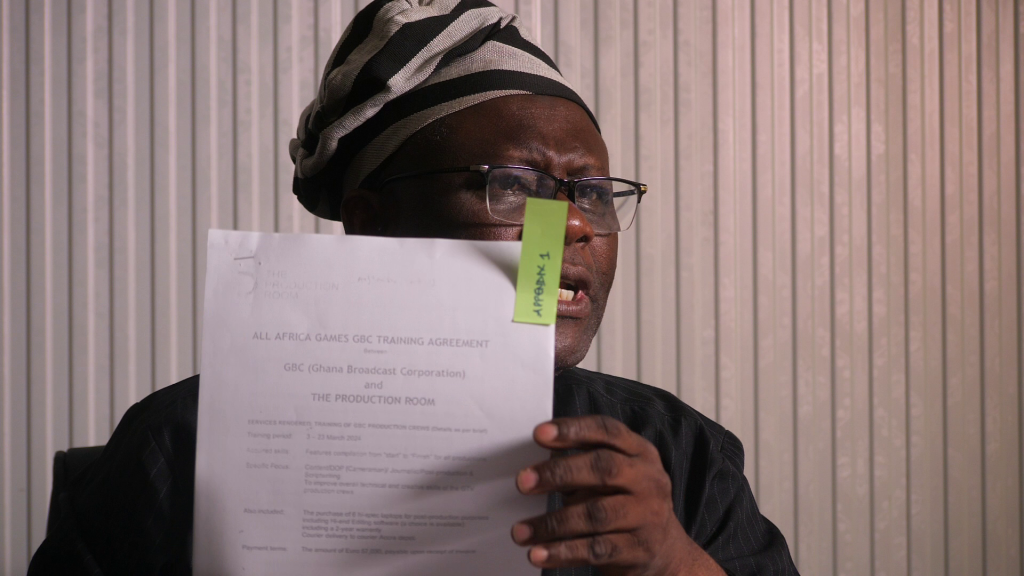
    GBC’s February 6, 2026, response included signed contracts for all three companies.

    The contracts show that while TPR was contracted on February 22, 2024, to train GBC staff to supply six high-spec laptops and editing software, Silicon House was contracted on February 22, 2024, to provide outside broadcast vans for the Games. The third company, Broadstem Company Limited, signed a contract with GBC on March 15, 2024, to provide satellite services.

    Despite receiving the contracts, the Auditor-General’s report maintained that the service providers were engaged without contracts. 

    The Director-General of GBC, Prof Amin Alhassan, told The Fourth Estate that the findings lacked credibility. 

    “[On]the issues of the contracts, I provided them; she [lead auditor] refused to acknowledge them in the report,” Prof Amin told The Fourth Estate. “When they requested for it, we gave it to her [Jemima Arthur, lead auditor]. She signed and took it.”

    Prof aLHASSAN holding the three contracts

    Advance payment claims disputed

    The Auditor-General’s letter also stated that TPR received 100 percent advance payment. But payment records reviewed by The Fourth Estate show otherwise.

    The first payment, worth a little over GHS69,000 ($4,876), was made on March 22, 2024, a day to the end of the Games, while the largest payment, $52,133, was made on February 18, 2025, nearly a year after the Games.

    Prof Alhassan told The Fourth Estate that the auditors assumed that the money was paid as stipulated in the very contract they failed to include in the final report.

    “The game in auditing is evidence. If the evidence I submitted did not speak to the auditor’s issues, the auditor is under an obligation to discount my evidence and tell me why. But you can’t ignore it and go write some Ananse story about GBC.”

    Training and laptops verified

    The Fourth Estate found that although the training for some GBC crew and journalists was done, it was held online during the Games. While 19 participants were listed, the Course Lead from GBC, Emmanuel Ashley, said attendance averaged about 10 people a day because participants were also working during the Games.

    At least two staff members mentioned as participants in a report submitted to the Director-General told The Fourth Estate that they were not part of the training.

    Through GBC’s store voucher, dated May 6, 2025, The Fourth Estate verified that GBC received eight Dell laptops from TPR. We saw three of those laptops at the editing and digital units of the corporation. The remaining five were said to have been issued to journalists, who were unavailable at the time of The Fourth Estate’s visit.

    Prof Alhassan said he found it weird that he was being surcharged for the training and for the laptops, although the auditors were provided evidence of the training programme, the laptops, and the editing software.

    Broadcast rights row

    The Auditor-General’s letter criticised GBC for granting broadcasting rights to DSTV’s SuperSport channels for free despite spending about $3.6 million on production.

    Auditors said only two licensing deals generated revenue, bringing in $45,000. The Fourth Estate found that the national broadcasters of Botswana and DR Congo paid the money. Local and other international television stations used the feeds from the Games for free.

    The auditors therefore asked the GBC Director-General to “justify the granting of free broadcast rights to SuperSport (DSTV), including evidence of approval and assessment of foregone revenue. Additionally, GBC was, among other things, asked to provide the broadcast rights marketing and pricing strategy adopted for the Games or explain its absence.” The auditors claimed that the poor handling of the broadcast rights cost the country GHS 59.4 million.

    But Prof Amin said the decision was approved by Local Organizing Committee (LOC) Chairman, Dr Kwaku Ofosu-Asare, and argued that selling broadcast rights was not GBC’s responsibility.

    “It was not our job to sell the rights. It’s the Ministry or LOC’s responsibility to appoint a marketing agency to sell the rights,” he said.

    Contacted by The Fourth Estate, Dr Ofosu-Asare declined to comment, saying he is yet to be served with the report and that he would respond at the appropriate time.

    However, The Fourth Estate found a WhatsApp conversation between SuperSport’s Head of Production, Docky Dockrat, GBC’s acting Director of Marketing, George Lomotey, and Dr Ofosu-Asare.  

    From the message trail, Mr Dockrat had sent a message to Mr Lomotey saying, “My understanding is that SuperSport is being offered the All-African Games. If this is the case, we will consider it if it comes at no cost to us…”

    Mr Lomotey then forwarded the message to Dr Ofosu-Asare, asking him to confirm if the signal was being given to SuperSport at no cost.

    In response, Dr Ofosu-Asare said, “Yes, let’s do it.”

    Staff deployment

    The auditor’s letter to the state broadcaster also indicated that GBC staff performed roles that contracted service providers were supposed to handle, resulting in a loss to the broadcaster. According to the Auditor-General, the decision cost the public purse more than GHS 40.7 million.

    GBC was asked to, among other things, quantify the cost of GBC staff time and resources deployed in support of the PGS and Quality Media Producciones (QMP) contracts and indicate how such costs were recovered. The Audit Service also demanded that GBC explain the deployment of GBC staff in roles contractually assigned to PGS and QMP.

    Prof Amin rejected the claim, saying staff were attached to the production teams for training purposes, not as labour.

    “The staff who were embedded were to learn, and that was all it was. We didn’t deploy labour, so I cannot cost it. And the imagination of the auditors was to cost something that didn’t exist,” he said. 

    Delayed procurement ratification

    Auditors further faulted GBC for procuring services under single-source procurement only to seek PPA ratification months after the Games had ended, and queries were raised at the Public Accounts Committee of Parliament.  

    Based on this, auditors asked GBC to, among other things, provide a detailed explanation for seeking PPA ratification only after the Games had ended, notwithstanding the early execution of contracts in February 2024. GBC was also directed to submit documentary evidence supporting the justification for single-source procurement for each service provider.

    In response, GBC provided evidence of PPA ratification and explained that while it had engaged the LOC as far back as 2022 to initiate the required procurement of production equipment and train personnel, the discussions did not yield much, only for the corporation to be brought into the picture barely a few weeks before the games. The contract with PGS, the production company for the games, was signed just two days before the games.

    However, the final report still had issues with how long it took for GBC to seek ratification at the PPA. 

    Prof Alhassan explained to The Fourth Estate that the delay in ratification was because it took time to reconcile all the needed documents.

    “PPA subsequently gave us an official ratification, which means that after their thorough investigation, they agreed that we acted rightly,” he stated.

    He said GBC could have refused to take up the assignment because of the timing. But accepted the task for fear of public backlash and national embarrassment.

    He said that given the timelines, it was nearly impossible to advertise and complete the procurement process in six weeks.

    No exit meeting

    Although the audit process required that the two parties—GBC and the auditors—met to clear outstanding issues from the management response, Prof Alhassan insisted that no such meeting happened.

    “I challenge the Audit Service to produce minutes from the exit meeting we had before they issued the report,” he said.

    He accused the auditors of using the report as an attempt to witch-hunt him.

    Audit Service’s response

    When The Fourth Estate sought the auditor’s response, Audit Service declined to comment.

    “The report on the 13th African Games has been duly submitted to Parliament in compliance with Article 187 of the Ghanaian Constitution,” the Audit Service’s Assistant Director of Audit/Information Officer, Frederick Lokko, said.  “The report is yet to be deliberated upon by the Public Accounts Committee of Parliament, and therefore, it is deemed very necessary by the Service to allow this process to be completed; after which your request for an interview regarding aspects of the report mentioned herein can be granted.”

    What was supposed to be a forensic audit of the 2023 African Games expenditure has instead become a credibility contest between GBC and the Auditor-General. It is now up to Parliament’s Public Accounts Committee to determine who is telling the public the truth. 

  • Presidency investigations into Big Push sole-sourcing: Did Valerie Sawyerr Committee deliberately put out false information to clear Ministry or it was misled?

    Presidency investigations into Big Push sole-sourcing: Did Valerie Sawyerr Committee deliberately put out false information to clear Ministry or it was misled?

    In March 2026, when The Fourth Estate revealed how the Ministry of Roads and Highways had literally become a factory for sole-sourcing under the government’s Big Push initiative, it also exposed how contracts had also been awarded to companies with questionable capacity and experience.

    One of the companies that was cited as not having demonstrable experience and capacity and yet was awarded a major contract under the Big Push initiative is a company called GROWTH 82 Global Ltd. The Fourth Estate’s probing revealed that the company was less than one year old at the time it was awarded a major, multi-million-cedi contract for the construction of the Dodo Pepeso-Nkwanta road. 

    The Fourth Estate further revealed that at the time GROWTH 82 Global Ltd was awarded the major contract worth GHS 683 million, the company did not have the required classification to qualify for such a contract.

    Following our publication, President John Mahama set up a committee led by his Senior Presidential Advisor, Dr Valerie Esther Sawyerr, to investigate the concerns raised in the report, including the issues about GROWTH82 Global Ltd.

    The Valerie Sawyerr Committee subsequently released a 72-page report containing its findings and recommendations.

    The Fourth Estate has, however, established that the President’s Committee fell short in conducting the expected investigations. It essentially treated issues raised by The Fourth Estate as allegations and responses from the Ministry of Roads as facts. The report is thus laden with falsehood and misleading findings.

    On the specific issue of when GROWTH 82 Global Ltd was registered, the Valerie Sawyerr report said: “Evidence shows that the company Growth 82 Global Limited was registered on August 18, 2020.” 

    On the issue of the capacity and classification of the company by the Ministry of Roads and Highways, the Committee said: “Evidence shows that the company Growth 82 Global Limited was registered on August 18, 2020; received A3B3 certificate on September 6, 2024; received A2B2 certificate on March 19, 2025; and received A1B1 certificate on August 14, 2025.”

    Where and how the President’s Committee obtained the evidence to draw the conclusions above remain a wonder. This is because official records expose what the Valerie Sawyer Committee put out as evidence to be completely false.

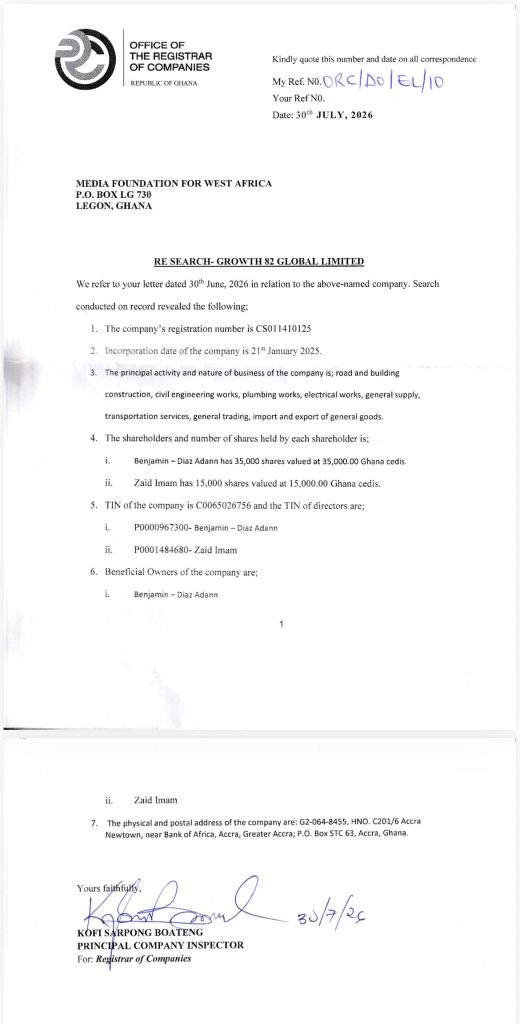
    The Fourth Estate applied for and received an official report from the Office of the Registrar of Companies (ORC) on the incorporation and ownership of GROWTH 82 Global Limited.

    According to the ORC, the company was indeed registered on January 21, 2025, which is exactly two weeks after the current NDC government was sworn into power.

    Official records from the ORC show that Growth 82 Global LTD was incorporated on january 21, 2025

    So the question is, where did the Valerie Sawyerr Committee get the August 18, 2020, company registration date from?

    The classification data presented by the Committee also raises the question of how a company that was incorporated in January 2025 could have obtained the Ministry of Roads’ classification in 2024, as claimed by the Valerie Sawyerr Committee.

    Experts at the Roads Ministry have also confirmed that it is highly unusual for a road construction company to move from an A3B3 certificate on September 6, 2024, to A2B2 in March 2025; and then to A1B1 by August 2025. 

    “For a company to graduate from one class to the other, it must demonstrate experience and track record of other works. They should tell the people of Ghana which projects were delivered by Growth 82 Global Limited to justify any such quick upward classifications,” a source familiar with the classification system at the Roads Ministry told The Fourth Estate. 

    The ministry states on its website that, among others, for a company to be upgraded to A1B1, it must demonstrate proof of major road and related civil engineering contracts executed in the last five years.

    The eligibility for A1B1 classification was further affirmed by the President of the Ghana Institution of Engineers (GhIE), Ludwig Annang Hesse, in an interview with The Fourth Estate. He explained that the classification process takes time, especially when a company is new. 

    Mr. Hesse indicated that a company classified as A1B1 must satisfy the specified guidelines, which include producing audited financial statements over three years and GRA certification, demonstrating five years of experience in handling major projects, with about 55 experienced personnel and the right equipment.

    How then did GROWTH 82 Global Limited receive A1B1 classification in August 2026, when it was just seven months old? And what kind of investigations were done by the Valerie Sawyerr Committee?

    Indeed, as at March 2026, when The Fourth Estate published its investigative findings on the Big Push initiative, the latest classification report published by the ministry on its website was dated February 3, 2026. In that report, GROWTH 82 Global Ltd was classified as A2B2M2.

    Who owns GROWTH 82 Global Ltd?

    According to records from the ORC, the company is owned by one Benjamin-Diaz Adann, who holds 70% of the shares. The remaining shares are owned by one Zaid Imam.

    Further checks revealed that Benjamin-Diaz Adann is the founder and CEO of ADB Ghana Medicals Limited, a company awarded contracts by the Ghana Medical Trust Fund (Mahama Cares) for the restoration of the Catheterisation Lab at the National Cardiothoracic Centre at Korle Bu. It also has another contract for works at the Cardiothoracic Centre at Komfo Anokye Teaching Hospital, in Kumasi, through Mahama Cares.

    Other issues on the capacities of companies awarded the Big Push contracts

    The Fourth Estate had also revealed that there were companies whose official records in the contract signed indicated they had few workers.

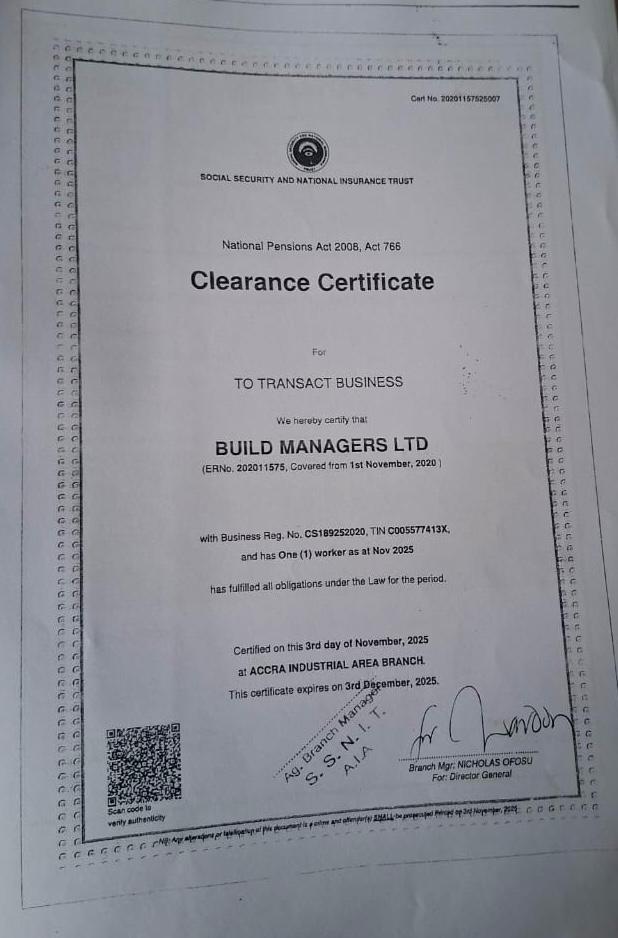
    In the case of Build Managers Ltd, awarded one of the contracts under Big Push, the contract documents indicated it had one worker. Despite evidence within the signed contract, the Valerie Sawyerr Committee indicated the company had 20 staff as at January 2025.

    Below is the SSNIT clearance certificate within the signed contract.

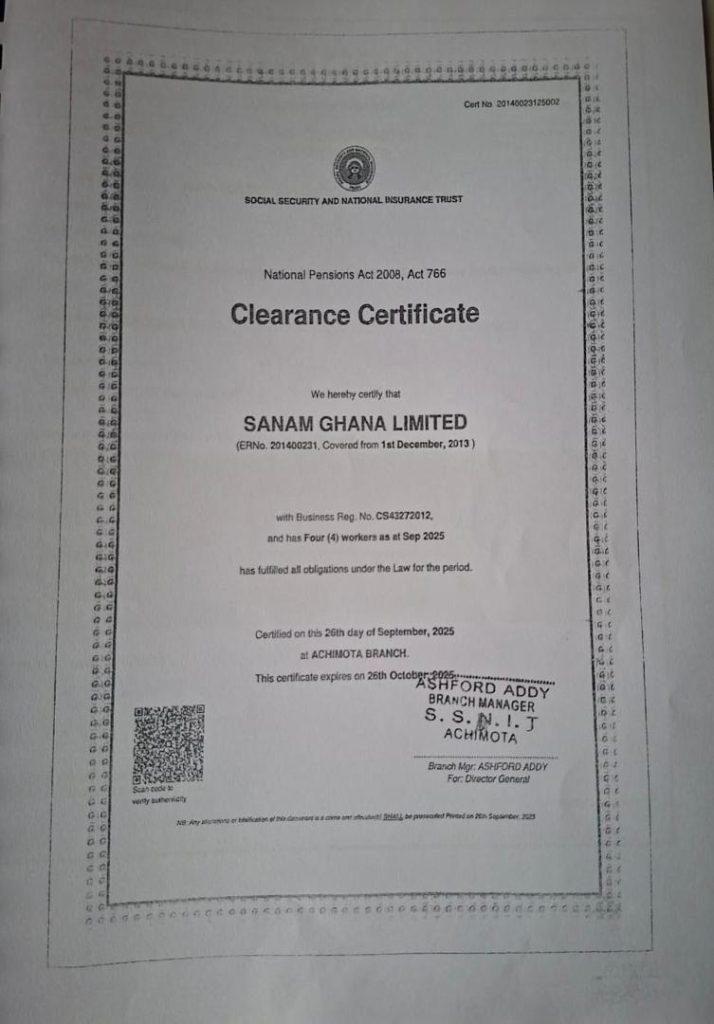
    We also indicated that the SSNIT clearance certificate of Sanam Ghana Ltd showed it had four workers. Again, despite clear evidence in the signed contract document, the Valerie Sawyerr committee said it had 25 staff members.

    Below is the SSNIT clearance certificate as it is contained in the signed contract.

    These and more issues raise questions about where the Valerie Sawyerr Committee got their figures and whether the committee deliberately put out false information or it was misled.

  • NDC boys rack up GHS 5million  electricity debt at illegal mine despite anti-galamsey crackdown

    NDC boys rack up GHS 5million electricity debt at illegal mine despite anti-galamsey crackdown

    Nine months after the Ministry of Lands and Natural Resources revoked the lease of a licensed mining company in Prestea-Huni Valley, the mine is now being fully operated by a group of illegal miners connected to the governing National Democratic Congress (NDC).

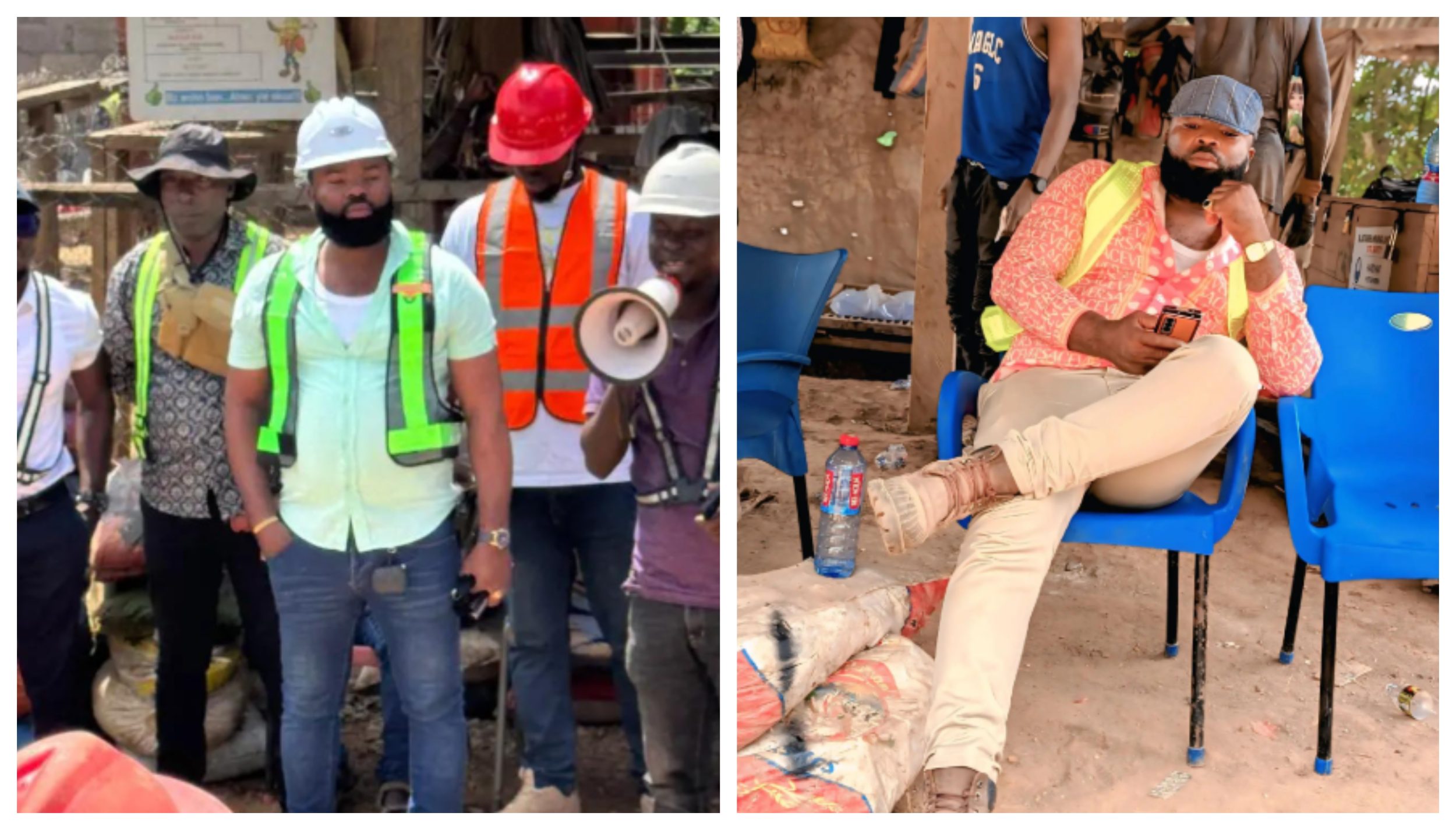
    Led by Ebenezer Amemegakpor, alias Commander, an NDC activist in the Prestea-Huni Valley Constituency, the illegal miners took over RMG Mining Company’s Apinto concession in March 2025 after National Security stormed the underground mine.

    The party’s leaders at the constituency level have justified the seizure of the concession mine operated by RMG Mining with the excuse that, before the New Patriotic Party came to power in 2016, the mine had been operated by a different company, Task Mining, but through political machinations, officials of RMG snatched the concession.

    The Fourth Estate, however, found no evidence of Task Mining having the required mining lease from the Ministry of Lands and Natural Resources, nor permits from the Minerals Commission and the Environmental Protection Agency.

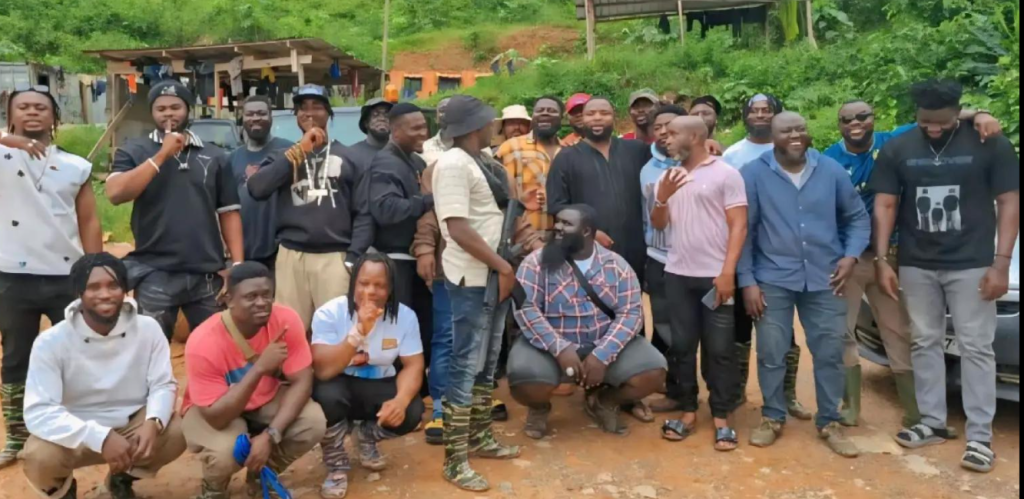
    MP for Prestea Huni-Valley (middle) and Ebenezer Amemagakpor (Right)

    In October last year, the Ministry of Lands and Natural Resources revoked three of RMG’s small-scale mining licences, including the Apinto concession, as part of a broader enforcement exercise affecting 278 companies.

    The ministry said the affected firms had failed to meet environmental and safety obligations or had continued mining after their licences expired.

    However, the Minerals Commission, in an email response to The Fourth Estate on July 16, 2026, said, “The small-scale mining licence granted to RMG Mining Company Limited was terminated due to the company’s failure to submit written acceptance of the licence offer to the Hon. Minister,” in accordance with the country’s mining laws.

    Free electricity

    Records from the Electricity Company of Ghana (ECG), reviewed by The Fourth Estate, show that the operators of the mine at Apinto, in the Prestea-Huni Valley Municipality, continue to consume huge amounts of electricity while making little effort to pay for it.

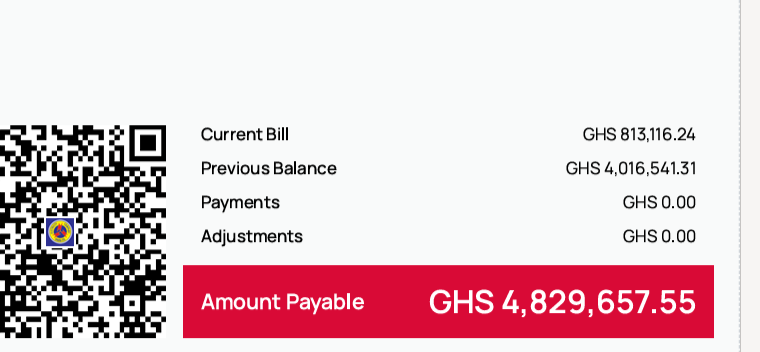
    The group has run the operation for more than a year while racking up nearly GHC5 million in unpaid electricity bills as of April 2026.

    In March 2026 alone, the site reportedly used more than GHC 813,000 worth of electricity.

    The mine, which relies on energy-intensive underground pumping systems, has effectively become a high-cost electricity consumer operating illegally and with ostensible protection from the governing NDC.

    The accumulation of debt offers a striking example of the hidden costs of Ghana’s long-running battle against illegal mining, popularly known as galamsey. Beyond environmental destruction and water pollution, such operations impose direct financial burdens on state institutions, particularly when utility bills go uncollected.

    The operators took over the concession after National Security personnel stormed the mine in March 2025 and drove out the licensed operator, RMG Mining Limited.

    Ebenezer Amemagakpor (4th right standing and wearing black shirt) with some men at the site. Among them is an armed man (in cream shirt and black hat)

    That takeover has been the subject of scrutiny for months. But the scale of electricity consumption, and the apparent inability of the Electricity Company of Ghana (ECG) to stop it, adds a new dimension to the controversy.

    ECG had previously disconnected power to the mine. But electricity was later restored after intervention from Robert Wisdom Cudjoe, the Member of Parliament for Prestea-Huni Valley, who wrote to the utility provider requesting reconnection.

    In his letter, the MP said National Security had tasked him with overseeing the site while a dispute over ownership was being resolved. He also assured ECG that the operators would settle all bills. But the unpaid bills continue to increase with no sign that the miners will pay.

    The MP for Prestea Huni-Valley, rOBERT Cudjoe (left) and EbeneZer Amemagakpor (right)

    In the earlier publication, ECG told The Fourth Estate that its staff had effectively been shut out of the area. The utility provider previously told The Fourth Estate that workers had received death threats and that the site, including the high-tension poles supplying power to the mine, had become inaccessible because armed men guarding the operation had made it a no-go zone.

    Although ECG reported the matter to the police, no action appears to have been taken.

    ECG aware of debt

    When contacted in May, ECG’s Western Regional Public Relations Officer, Awal Boye, said the company was aware of the growing debt and was taking steps to recover what it’s owed.

    The underlying dispute began when armed National Security men seized control of the mine, which was then being lawfully operated by RMG Mining Limited.

    Following the seizure, RMG asked ECG to disconnect power after losing control of the site, seeking to avoid liability for electricity consumed by others. ECG initially disconnected the supply, though it said at the time this was because of RMG’s own outstanding debt, then said to be about GHC1.1 million.

    It was at this point that the NDC MP for Prestea Huni-Valley, Robert Wisdom Cudjoe, wrote to ECG requesting the restoration of power. In his letter, he described the site as a community mine even though the government had at the time banned all community mining. He later denied in an interview with The Fourth Estate that his letter to ECG enabled power to be restored to the mine for illegal mining to continue.

    Apinto Concession not given out to NDC Group – Mineral Commission

    On May 11, 2026, The Fourth Estate wrote to the Minerals Commission, asking the mining regulator for the basis for revoking RMG’s mining lease.

    When The Fourth Estate asked whether the Minerals Commission or the Lands Ministry had reallocated, transferred or granted operational rights of the Apinto concession to another company or an individual, the Commission said no in a July 16, 2026, emailed response.

    When we asked if the Commission conducted any inspection or enforcement operation at the site since the revocation of RMG Mining Limited’s licence, the Commission indicated that “through its Tarkwa office [it] is currently monitoring developments in the area and will report on the same for action, where necessary.”

    The Fourth Estate contacted the Ministry of Lands and Natural Resources in April to determine whether a new lease had been issued but received no response despite repeated follow-ups.

    When The Fourth Estate contacted Ebenezer Amemegakpor, the NDC activist, he declined to speak to the issues except to say that RMG took over his uncle’s concession after the NPP administration came to power.

    YOU MAY ALSO WANT TO READ

  • POISONED VEGETABLES: Study reveals high pesticide residues in cabbage, okro sold in two Accra markets

    POISONED VEGETABLES: Study reveals high pesticide residues in cabbage, okro sold in two Accra markets

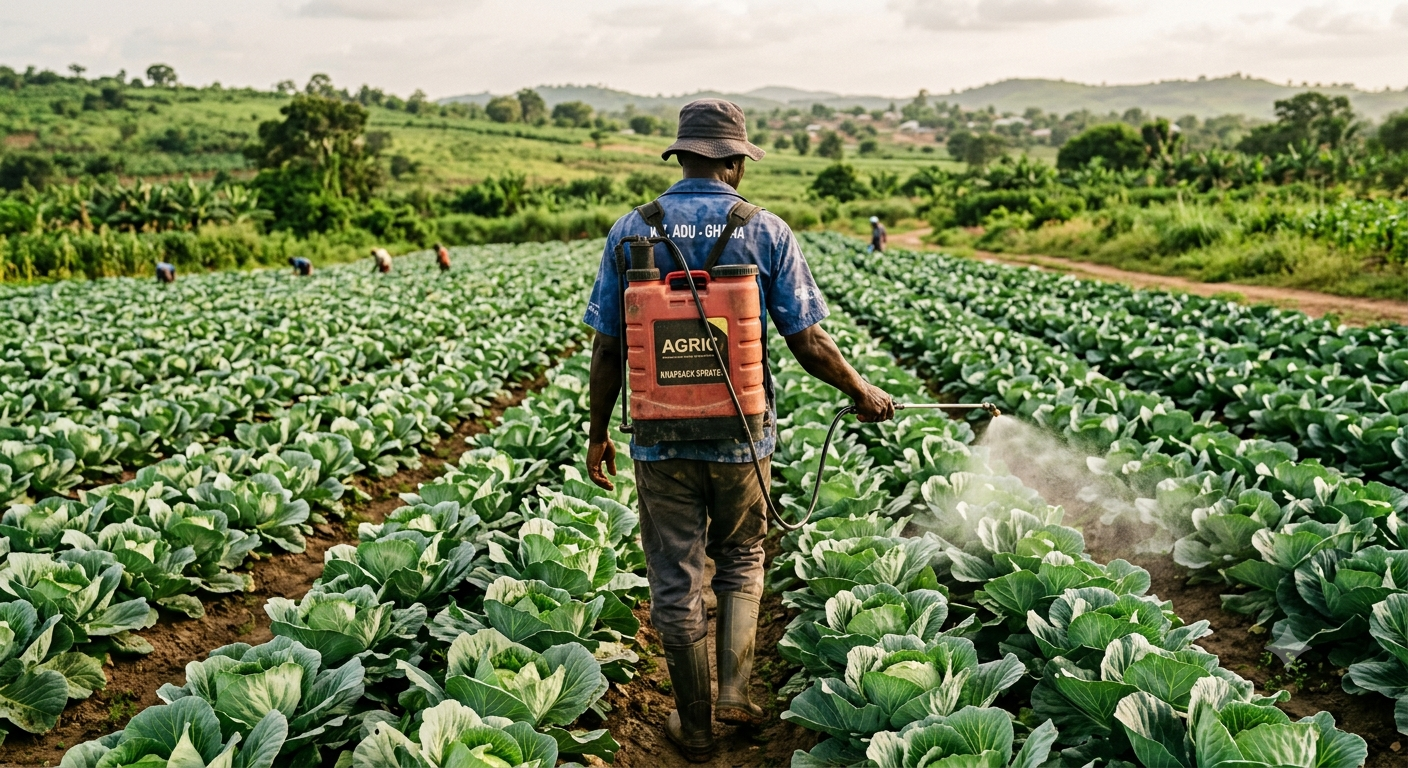
    A new study by the Ghana Standards Authority has found high levels of pesticide residues in okro and cabbage sold in two of Accra’s busiest markets.

    All cabbage samples tested from the Agbogbloshie and Madina markets exceeded the maximum residue limits and were considered unsafe for consumption. Okro performed slightly better, with one-third of the samples failing the safety test.

    From the findings, Agbogbloshie’s produce was far riskier than Madina’s. Only 16.7% of Agbogbloshie samples were compliant, compared to 50 per cent at Madina.

    The study, which reflects growing public concern about chemical contamination in food, detected eight pesticides above safe limits.

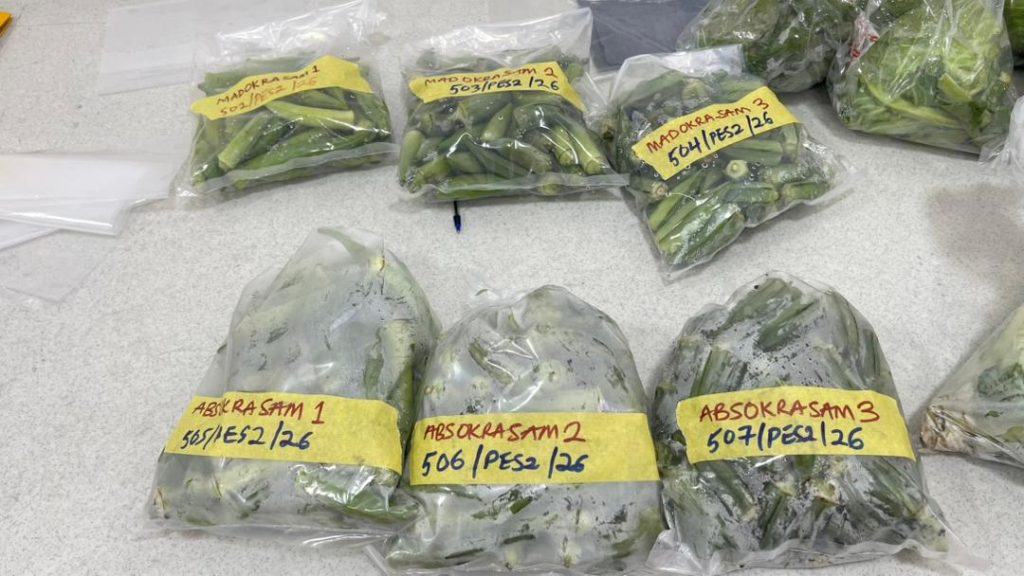
    The tested okro samples with mixed results PHOTO: cikod

    The most common pesticide detected was triticonazole, which appeared in seven of the eight failed samples across both crops and markets. Other pesticides linked to the high residues are acetamiprid, carbendazim, dimethoate, dinotefuran, emamectin, imidacloprid, and Mevinphos.

    The contaminated cabbages came to the two markets from Begoro and Asesewa in the Eastern Region; Kumasi and Tepa in the Ashanti Region, and Adetor in the Volta Region, while the non-compliant okro were from Kumasi and Lakpo also in the Volta Region.

    The sampled cabbages that failed the test photo: cikod

    The safe okro were sourced from Atomic DVLA and Dodowa in the Greater Accra Region, Kpando in the Volta Region, and Kumasi. 

    The research commissioned by the Centre for Indigenous Knowledge (CIKOD) raises questions about what is ending up on the plates of Accra residents. The study’s objectives were to determine pesticide residues in okro and cabbage, assess compliance with maximum residue limits, compare residue occurrence by crop and market, and identify pesticides frequently exceeding safety limits.

    The report also flagged pesticide products reportedly in use around Haatso in Accra, several of which contain the very same active ingredients implicated in the failed samples.

    Deliberate, not ignorance

    Mr Willy Laate, the Director of Programmes of CIKOD, who presented the findings at a stakeholders’ meeting last Friday, expressed worry that although most farmers know about the health implications of excessive agrochemical use, including pesticides, they place commercial interests above food safety.

    He said the Agbogbloshie and Madina markets were selected because food produce from most regions in the southern part of the country, including Central, Western, Eastern, Ashanti, and Volta regions, was transported to the two markets.

    A former extension officer himself, he observed that cabbage is more vulnerable to insect attack than okro, and farmers appear to be responding by excessively using  chemicals for pest control rather than relying on integrated pest management or safer alternatives

    Mr Laate, therefore, rallied farmers to adopt agroecological practices to reduce the reliance on agrochemicals, including pesticides.

    “We need to enhance farmer training and reduce monitoring. We need to enforce the rules around pesticide use so that the farmers can do the right thing,” he said. “We also need to use more of the biopesticides and also educate consumers.”

    The Head of the Food and Agriculture Department of the Ghana Standard Authority (GSA), Dr Paul Osei-Fosu, observed that some farmers were misusing the agrochemicals in a way that posed danger to the consuming public.

    “What we have noticed is that as soon as farmers apply the agrochemicals during pre-harvest, they harvest instead of the pre-harvest period of seven days,” he said.

    He noted that the GSA’s research identified another dangerous chemical being misused, Dursban. Although it is intended for wood treatment, some farmers use it as a pesticide because of its insect-killing effectiveness.

    Dr Chaka Ozondu, a food systems analyst, asserted that most of the pesticides applied in agricultural and industrial settings do not remain confined to their target areas; instead, a significant portion disperses into the surrounding environment, posing danger to public health.

    Health consequence

    He cautions farmers against the use of pesticides and notes that they have significant consequences on health, including “reduced sperm count and quality in men and ovarian dysfunction, menstrual cycle disruptions, and infertility in women.”

    “Exposure increases the risk of spontaneous abortions (miscarriage), premature births, low birth weight, and congenital birth defects,” he added. 

    Meanwhile, research shows that the chemicals found in the cabbages from Agbobloshie and Madina markets pose a significant risk to public health.

    Triticonazole: it is a fungicide used to control fungal diseases in crops. Exposure to high levels or prolonged contact may cause eye and skin irritation, headaches, dizziness, or nausea after significant exposure and may have potential effects on the liver.

    Acetamiprid: It can affect the nervous system. It is also linked to potential endocrine disruption, reproductive issues, and developmental risks, particularly for children and fetuses.

    Dimethoate: Various studies show that it can lead to excessive sweating, blurred vision, difficulty breathing, and, in severe cases, convulsions or death. Chronic exposure is tied to neurodevelopmental harm and deadly reproductive challenges.

    Emamectin: Research shows it primarily targets the nervous system, with poisoning cases showing gastrointestinal distress, central nervous system depression, seizures, and, in severe instances, respiratory failure.

    Mevinphos: Scientists say it is highly toxic and can cause rapid health conditions, including muscle twitching, respiratory paralysis, and death in high exposures.

  • Huge swathe of Dodowa Forest cleared to relocate traders, raising alarm among environmentalists

    Huge swathe of Dodowa Forest cleared to relocate traders, raising alarm among environmentalists

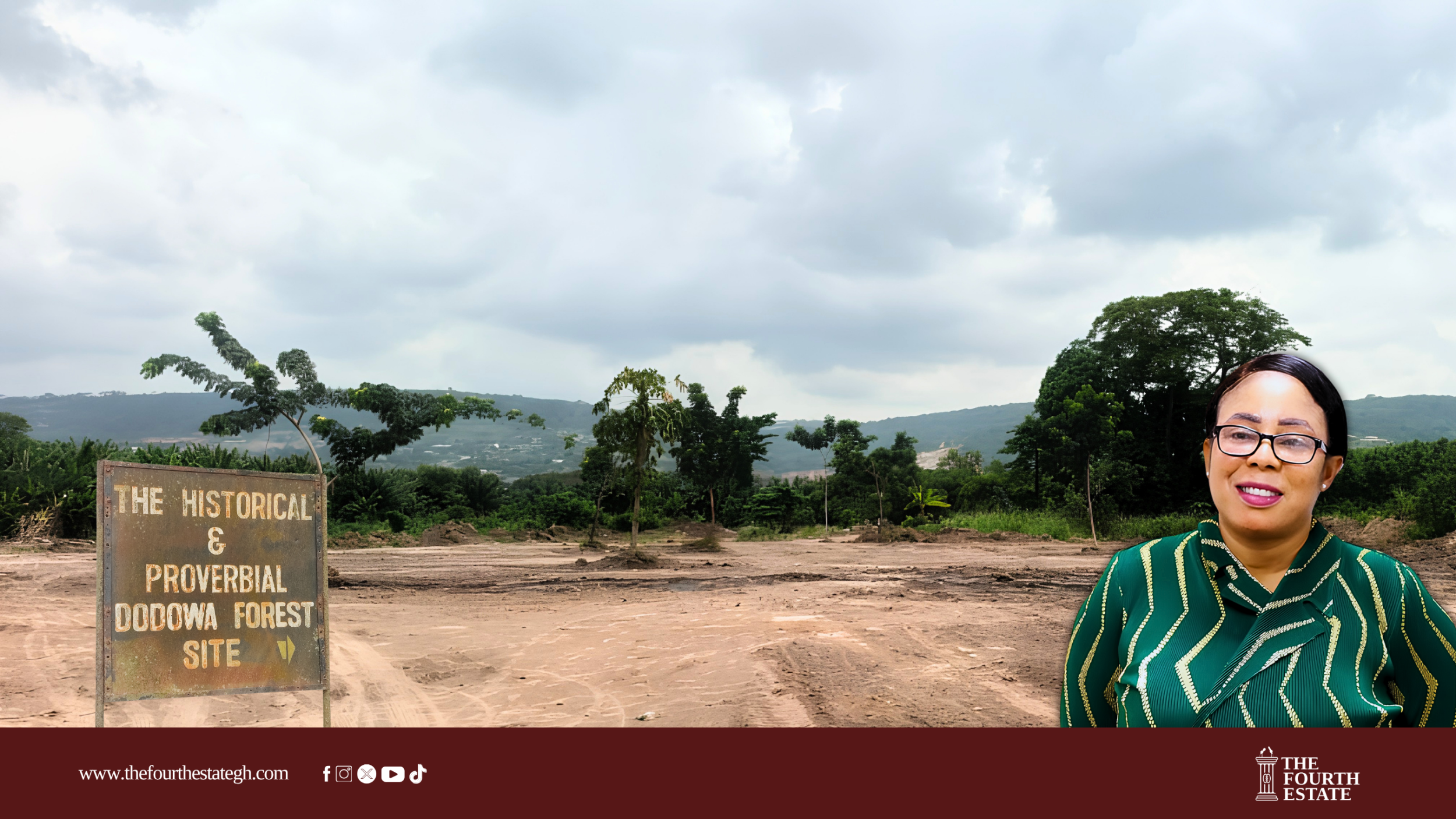
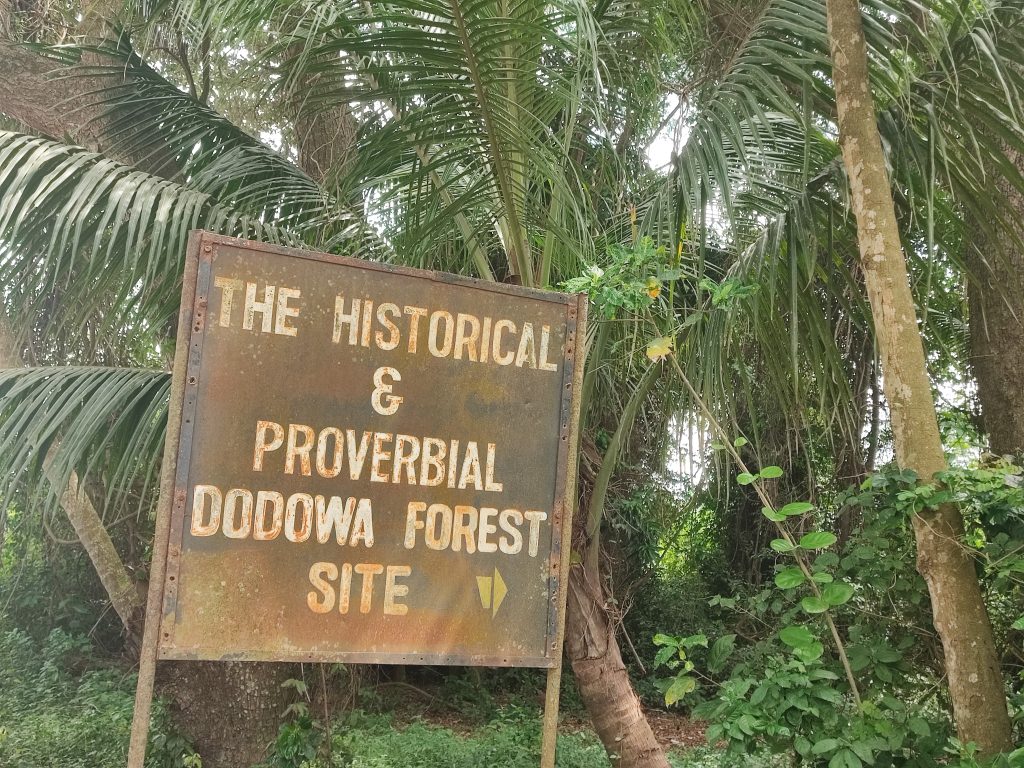
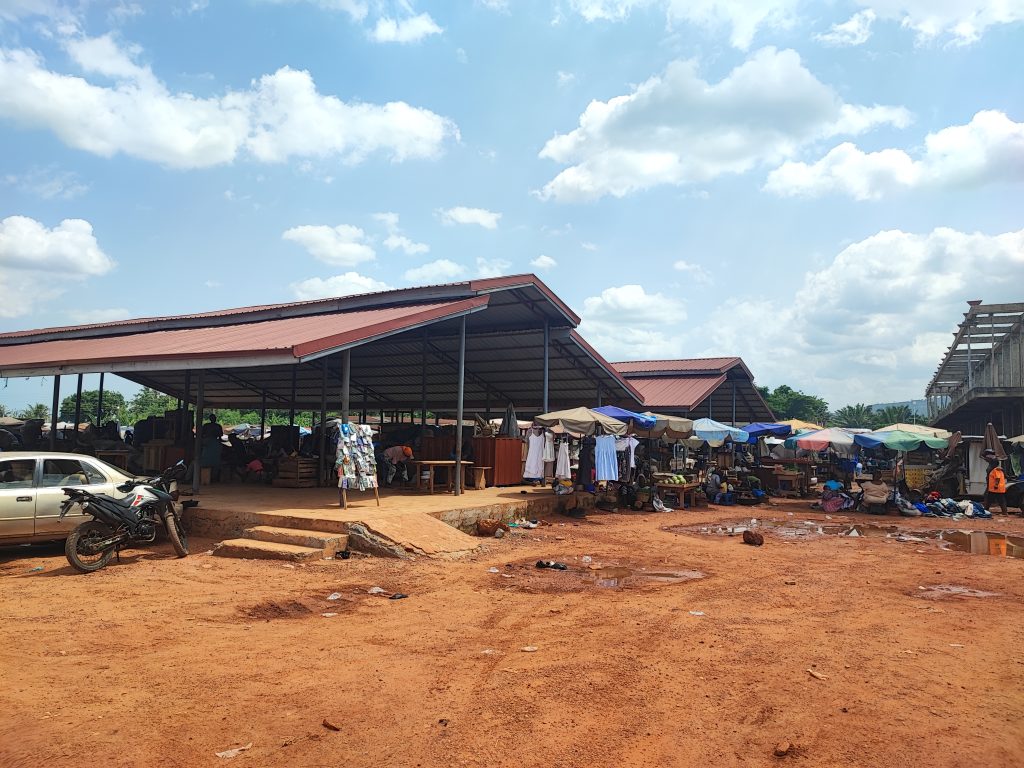
    A section of the historic Dodowa Forest in the Greater Accra Region has been cleared to make way for the relocation of traders ahead of a planned reconstruction of the Dodowa Market into a 24-Hour Economy Market.

    The move has sparked concerns over environmental destruction, cultural heritage loss, and the risk that a supposedly temporary move could become permanent.

    Critics, including environmental experts and community leaders, say the decision sacrifices a vital green space with ecological and historical significance while raising questions about whether alternative sites could have spared the forest from degradation.

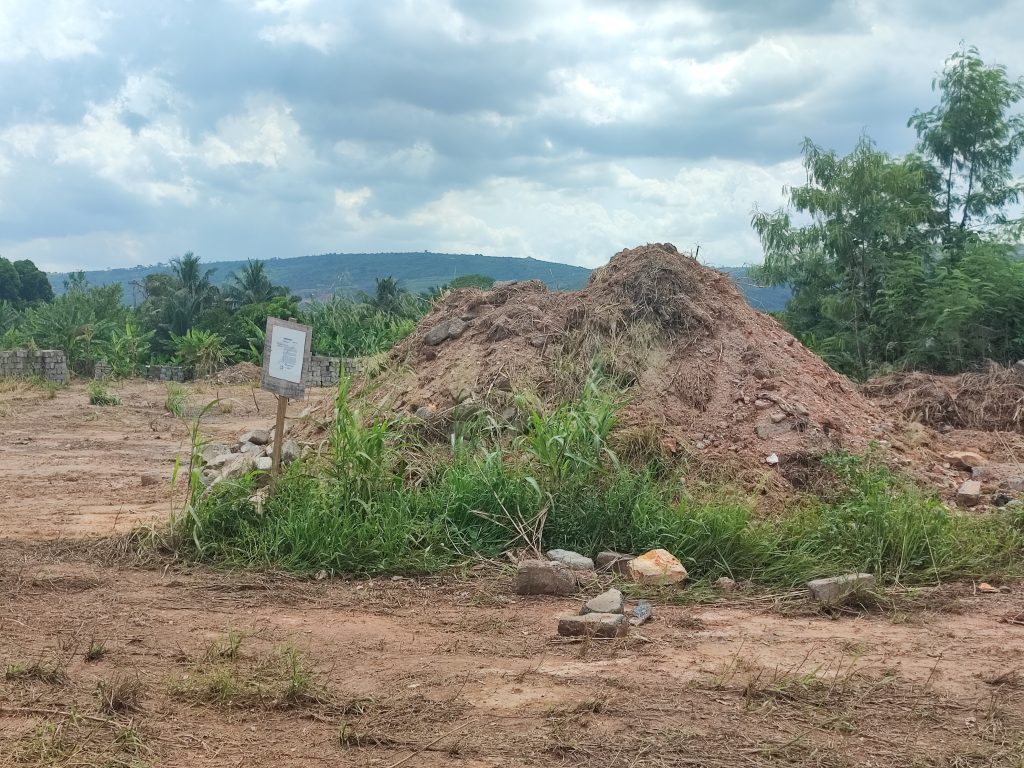
    A pile of sand at the site in the Dodowa Forest

    Critics say what makes the decision even more contentious is because part of the cleared forest had been the focus of reforestation efforts involving community volunteers and the Forestry Commission.

    When The Fourth Estate visited the site, what used to be home to trees, shrubs, and seedlings had been cleared, and the debris hauled away with some building materials on the sidelines of the newly cleared space.

    Dr Ebenezer Djaney Djagbletey, a former Director of Operations at the Forestry Commission who led some of those tree-planting campaigns, described the clearing as a setback to climate resilience efforts in the area.

    “This is improper,” Dr. Djegbletey told The Fourth Estate. “Globally, the discourse is to contain climate change and associated global warming issues. The solution on the table is that we must plant more trees, not to cut them down.”

    Dr Ebenezer Djaney Djagbletey, a former Director of Operations at the Forestry Commission

    He accused the Shai-Osudoku District Assembly of destroying hundreds of tree seedlings planted by him and other community members as part of past efforts to protect a forest that has faced years of encroachment.

    Some community leaders, however, are not against redevelopment of the market even though they question the cost of the clearance of parts of the forest to the community’s heritage. Renner Awatey Kwesi Noah, an opinion leader in Dodowa, rejects the choice of location for the temporary market site.

    He told The Fourth Estate that while the upgrade of the market is critical for the local economy, it should not be done at the expense of a forest that holds a special place as a cultural heritage for the people of Dodowa.

    He warned that the ongoing preparatory and anticipated concrete works in the forest, coupled with the likely difficulty the district assembly would face in controlling the activities of market women, would make it extremely hard for the forest to recover once the traders are eventually relocated from the forest.

    Significance of Dodowa Forest

    The Dodowa Forest is revered as the site of the Battle of Katamanso, which was fought nearly 200 years ago between the Ga-Adangbes and Asantes.

    Rich in biodiversity and a host to a waterfall, the forest serves as a buffer against the urban sprawl from Accra and plays a critical role in biodiversity, local climate regulation, and watershed protection. It also provides medicinal plants and acts as a carbon sink in the Greater Accra Region, which is increasingly under pressure from development.

    Over the years, the forest has faced steady encroachment, with the recent one being by a developer who, The Fourth Estate learned, claims he bought part of the forest lands from the chiefs of Obosomase, a town in the Akuapem South Municipality of the Eastern Region.

    Traders’ position

    Traders in the current Dodowa market told The Fourth Estate that plans to reconstruct the market have been shrouded in secrecy and that they only received scant information from the rumor mill rather than official channels.

    The current Dodowa Forest

    “We have not been officially informed, but we have heard the rumor. Now that they are moving us, they said we cannot take our containers along, so we don’t know how we are going to work there,” Hannah Titiati, a 70-year-old grocery shop owner, told The Fourth Estate.

    Grace Dartey, 22, a fried fish seller, told The Fourth Estate that she has been in the market for over a decade since she took over her mother’s business. She said her experience with a previous relocation attempt about six years ago makes her very skeptical.

    “They moved us to the Ghanata Park. They said they were coming to build a market for us. That’s where they built these two buildings,” she said, pointing to two uncompleted structures. “That is the only thing they did.”

    DCE speaks

    The District Chief Executive for Shai-Osudoku, Ignatius Godfred Dordoe, confirmed that the Assembly was indeed working to relocate the traders.

    He told The Fourth Estate that apart from using the period of the relocation of the traders to reconstruct the market, the Assembly was also strategically using the presence of the traders to prevent further encroachment of the forest, particularly by the developer who claims to have acquired parts of the forest from a chief several miles away in a different administrative region.

    “It is the reason we’ve walled a section of the forest,” he said

    Alternative locations

    Critics insist the Assembly had options.

    Mr Noah, the opinion leader, points to a parcel of land which had already been earmarked for craft vendors as a viable alternative for the temporary market.

    Dr Djagbletey, the former Forestry Commission official, proposes a return to Ghanata Park, which previously served as a relocation site during earlier market works.

    Both options, they argue, would spare the forest degradation from which it would take years to recover.

    Greater Accra Regional Minister reacts

    The Greater Accra Regional Minister, Linda Akweley Ocloo, who confirmed ordering the clearing of the section of the forest, said there were no alternative lands to relocate the traders.   

    Greater Accra Regional Minister, Linda Akweley Ocloo

    “Do you know the number of people at the market? That is where we have our astro turf; how can we send our market women there? I came to Dodowa when I was 10 years old. I don’t know where [sic] has been earmarked [for any market]. I know Dodowa very well,” she said. 

    She insisted that the relocation was a temporary one for the project.

    “We don’t compromise when it comes to government projects,” she said. When The Fourth Estate pointed out the potential destruction when the market is relocated, she dismissed it, saying, “How can we destroy the forest? There is a limit to where the market women will be sitting.”

    Forest Commission’s reaction

    The Chief Executive Officer of the Forestry Commission, Hugh Brown, told The Fourth Estate that even though the Dodowa Forest is not a gazetted forest but rather a community one, clearing parts of it should worry the entire nation.

    “We have to go to the landowners. If it is their wish that it remains a forest, and it is rather the [district] assembly that is doing this, then it is unfortunate,” he said. “Everybody knows about the history of the Dodowa forest. Some things go on in the forest that have become part of our culture and traditional conservation.”

    He said that once the landowners demonstrate a commitment to preserving the Dodowa Forest as a forest, the Forestry Commission would initiate the necessary processes to have it gazetted, thereby protecting it from encroachment and developments such as the one being pursued by the Assembly.

    The Registrar of the Dodowa Traditional Council told The Fourth Estate that the council is not aware of the development.

    However, the Regional Minister insists the local traditional council knew about it. 

    Critics of the Assembly’s decision fear that the relocation of the traders to the forest, touted to be temporary, could become permanent, transforming a protected green space into a permanent commercial zone.

  • Millions paid to ‘ghost hotels’ during African Games — Auditor-General

    Millions paid to ‘ghost hotels’ during African Games — Auditor-General

    Two hotels reportedly used to accommodate guests and athletes during the 2023 African Games, for which the state paid millions, cannot be traced, according to the Auditor-General’s report.

    The report stated that the hotels, Alphabet and Swiss Ghana, were booked through an intermediary company, JDK Travel and Tours, but could not be “independently identified or confirmed as registered hotel establishments.”

    Further checks, the Auditor-General said, revealed that SWISS Hotels is the previous name for Alisa Hotel (Swiss Spirit Hotel & Suites), which already had a contract with the Local Organising Committee (LOC) for the provision of hotel accommodation for guests and athletes for the 13th African Games.

    The two hotels were part of five others reportedly used to accommodate DR Congo, Senegal, and their officials at the 13th African Games for which the state spent GHS 18.9 million.

    The audit report, however, did not indicate the exact amount the two ‘ghost hotels’ were paid.

    President John Dramani Mahama in October 2025 directed the Audit Service to do a forensic audit of the continental sports event, which Ghana hosted in 2024 and was fraught with allegations of financial impropriety.

    The Fourth Estate in March 2025 raised questions about some of the expenditure incurred in the hosting of the games, which, according to the Auditor-General’s report, cost the public purse more than GHS 2.2 billion. 

    Unqualified company

    According to the report, the service provider, JDK Travel and Tours Limited, was registered on December 14, 2022 and had no license from the Ghana Tourism Authority to provide accommodation services. The company does not manage, operate, nor own any accommodation facility directly.  However, it was awarded $1.5 million contract (the equivalent of a little over GHS 18.9 million).

    Describing JDK Travel and Tours as an ‘unqualified contractor’, the report said the payment of GHS 18.5 million to “a non-specialized intermediary represents a lack of value for money and exorbitant ‘middleman’ markups.”

    The state auditors also took issue with the cost of rooms the company booked.

    “Our review, supported by market research, indicated that the room rates charged by the intermediary, JDK Travel and Tours, were excessively higher than the official room rates published and charged by the respective hotels.”

    The report noted that as a result of excessive overpricing, the Ministry of Youth and Sports (MoYS) and the Local Organizing Committee (LOC) lost a total amount of $840,000.00 (GHS 10,080,000), as 500 rooms (250 standard rooms and 250 executive rooms) were used for a total of 21 days.

    Company’s response

    The Fourth Estate reached out to JDK Travel and Tours several times between Monday and Wednesday seeking a response, including the locations of the Swiss and Alphabet hotels. However, although the company repeatedly promised to respond, no response was provided.

    Management response

    However, the management response accompanying the audit report noted that JDK was initially not part of the arrangement of the provision of hotel accommodation.

    “This arrangement was made as a stop-gap to address emergency accommodation shortage. Most of the hotels the LOC initially engaged declined to offer the services due to the ministry indebtedness during the previous games,” the report said.  “JDK was the only company capable and willing to provide pre-financing services to the LOC/Ministry.”

    The report said the International Technical Officers (ITOS) / National Technical Officers (NTOs) per the protocol agreement, were supposed to have been put in three or four- star hotels.

    “Therefore, the Local Organising Committee was compelled to immediately arrange to accommodate them and provide similar services which three- or four-star hotels would have provided them.”

    Further justifying the cost, the response said the arrangement reduced the cost of rooms per day as three and four-star hotels were charging between USD 250 and USD 350 per day.

    “The hotels provided only accommodation while JDK had to provide ancillary services such as laundry, lunch and dinner,” it said.

    These explanations notwithstanding, the Auditor-General has recommended that the former Minister of Youth and Sports, Minister Ussif; the former Chief Director of the Ministry, William Kartey and the Chairman of the Local Organising Committee of the tournament should be sanctioned under Section 92 of the Public Procurement Act.

    The law states: “any person who contravenes any provision of this Act commits an offence and where no penalty has been provided for the offence, the person is liable on summary conviction to a fine not exceeding 1000 penalty units or a term of imprisonment not exceeding five years or to both.”

    YOU MAY ALSO WANT TO READ

  • Supreme Court dismisses Gifty Oware-Mensah’s pleading to halt her trial at the High Court

    Supreme Court dismisses Gifty Oware-Mensah’s pleading to halt her trial at the High Court

    The Supreme Court has dismissed an application by former Deputy Executive Director of the National Service Authority (NSA), Gifty Oware-Mensah, seeking to halt her trial at the High Court pending a constitutional challenge over the disclosure of defence witnesses.

    The former NSA Deputy Executive Director is on trial for her alleged role in the ghost names on payroll scandal. She has been charged with offences including stealing, willfully causing financial loss to the state, using public office for profit, and money laundering. She has pleaded not guilty.

    Mrs Oware-Mensah had asked the apex court to stay proceedings at the High Court until it determines whether it is constitutional for an accused person to be compelled to file a list of witnesses before the commencement of trial.

    However, the five-member panel of the Supreme Court, presided over by Chief Justice Paul Baffoe-Bonnie, unanimously held that the High Court proceedings could continue regardless of the constitutional challenge.

    “We are of the view that, having reviewed the processes so far, the application for stay does not meet the threshold for stay of proceedings. 

    “The applicant may choose to pursue the interpretation of the practice direction but the trial at the High court may still go on,” Chief Justice Baffoe-Bonnie said of Mrs Oware-Mensah’s legal challenge against her trial at the High Court.  

    Lawyers for Mrs Oware-Mensah are challenging the constitutionality of Part 2(3a) of the Practice Direction governing criminal trials in Ghana which requires accused persons to file their witness statement during case management. 

    The Practice Direction, issued in 2018 and signed by former Chief Justice Sophia Akuffo, governs criminal proceedings in courts with criminal jurisdiction across Ghana.

    However Mrs Oware-Mensah’s lawyer’s argued that the High Court’s reliance on the Practice Direction violates Articles 19(2)(c) and 19(10) of the 1992 Constitution, which guarantee fair trial rights and protections for accused persons.

    Making a case for his client earlier, Gary Nimako Marfo, lawyer for Mrs Oware-Mensah, contended that the High Court’s indication that it would “advise itself” should the accused fail to file her witness list implied adverse consequences should her client fail to comply with the order.

    But Justice Senyo Dzamefe, however, cut in at this point and questioned that argument, pointing out that an accused person retains the right to decide whether or not to testify or call witnesses in their defence.

    Justice Gabriel Scott Pwamang also joined the argument and pointed out the accused could elect not to call witnesses initially and later choose to do so as the trial progresses.

    “If you decide not to call any witnesses at this point, it is allowed and if you decide to call witnesses later as the trial proceeds, you can do that. If you don’t have witnesses, you just have to tell the court,” Justice Pwamang stated.

    The Court therefore ruled that the High Court’s directive requiring Ms Oware-Mensah to file her witness list does not compel her to do so immediately and does not prevent her from choosing to file the list at any stage of the trial if she deems it necessary.

    “We do not think this application is enough to stop the case from moving to trial,” the Chief Justice stated.

    Background

    Mr Marfo has consistently argued that requiring his client to disclose the names and addresses of defence witnesses before the prosecution opens its case violates her constitutional rights.

    He therefore prayed the Supreme Court to stay proceedings at the High Court until the constitutional question is determined.

    Since the commencement of the trial, Ms Oware-Mensah’s legal team has opposed the High Court’s directive requiring the accused to file the names and addresses of her witnesses in line with Part 2(3a) of the Practice Direction.

    The Practice Direction, issued in 2018 and signed by former Chief Justice Sophia Akuffo, governs criminal proceedings in courts with criminal jurisdiction across Ghana.

    On May 11, 2026, Mr Marfo told the High Court that he intended to challenge the directive before the Supreme Court, arguing that the apex court’s eventual ruling would have material implications for his client’s trial.

    He subsequently prayed the High Court to adjourn proceedings until the Supreme Court delivered its decision.

    Since January 20, 2026, the disagreement over the filing of defence witnesses has dominated proceedings and delayed the substantive hearing of the criminal case.

    The High Court had earlier dismissed a similar application on March 24, 2026, in which the defence sought to suspend proceedings pending an appeal on the same issue.

    The criminal case against the former NSA executive follows a series of investigations published by The Fourth Estate in 2025.

    The investigations uncovered how thousands of ghost names, including fictitious or ineligible individuals such as toddlers, elderly persons, and persons with no verifiable links to tertiary institutions, were allegedly inserted into the NSA payroll system.

    According to the investigations, the ghost names were created through manipulated posting schemes that enabled the payment of millions of cedis in allowances to non-existent national service personnel.

    The investigations also exposed serious failures in data integrity controls, value-for-money safeguards, and the credibility of the Centralised Service Management Platform (CSMP). Rather than preventing fraud, the digital platform was allegedly manipulated to bypass validation checks, generate fake student index numbers, and facilitate payments to fictitious beneficiaries.

    The Office of the Attorney-General and Ministry of Justice subsequently launched an independent investigation, relying heavily on evidence and leads from The Fourth Estate’s reporting.

    The Attorney-General’s probe reportedly confirmed widespread financial irregularities involving senior NSA officials and private-sector collaborators.

    In October 2025, Attorney-General Dominic Ayine announced that the fraudulent schemes had resulted in the mismanagement and loss of more than GHS2.2 billion.

    Criminal proceedings have since been initiated against key figures, including former NSA Executive Director Osei Assibey Antwi and Ms Oware-Mensah, who face multiple charges, including stealing, causing financial loss to the state, and money laundering.

  • President Mahama directs renegotiation of the terrible NLA-KGL deal

    President Mahama directs renegotiation of the terrible NLA-KGL deal

    President John Dramani Mahama has directed an immediate renegotiation of the contractual relationship between the National Lottery Authority (NLA) and KGL Technology Limited.

    The President’s directive follows the conclusion of the work of a committee he set up in December last year to conduct a comprehensive review of the controversial contracts between the NLA and KGL Technology Limited. 

    A letter The Fourth Estate has sighted indicates the committee concluded that while the terms of the current agreement with KGL are not illegal, “the revenue-sharing structure is not financially advantageous to the Republic.”

    The President’s decision comes on the back of The Fourth Estate’s investigations, which uncovered questionable arrangements that allowed the NLA to receive only GHS 157.6 million out of the GHS 3 billion revenue KGL earned in 2024.

    In line with the committee’s recommendations, the President has also ordered a comprehensive review of the country’s lottery and gaming laws to align them with global technological trends and industry best practices.

     Additionally, he wants measures to be introduced to protect the livelihoods of NLA coupon-based vendors, many of whom operate from kiosks across the country.

    Background

    In 2019, the then Director-General of the NLA, Kofi Osei Ameyaw, signed a controversial three-year contract with KGL Technology Limited to operate the NLA’s 5/90 lottery online via a USSD code. Based on the terms of the 2019 contract, KGL would have paid the NLA a total of GHS 600 million, being 20% of the GHS 3 billion the company earned as gross revenue in 2024—a figure the Group Chairman of KGL, Alex Dadey Apau confirmed to The Fourth Estate.

    Upon expiration of the contract in 2022, Samuel Awuku (who succeeded Osei Ameyaw as director general) and his board renewed the contract with KGL for a 10-year period.

    But before the expiration of the 10-year period, Mr.  Awuku and his Board, chaired by Gary Nimako Marfo, in 2024, signed a new contract with KGL, granting the company exclusive rights to operate the 5/90 lottery online via USSD. This new contract is for 15 years (from 2024 to 2039) with an automatic renewal for another five years.

    Mr. Awuku and his board also signed two other contracts for KGL to operate the 5/90 online lottery in Nigeria and Cote d’Ivoire. These two contracts were for 10 years each.

    The Fourth Estate’s investigations revealed that annual revenue to KGL from the NLA’s 5/90 online lottery in 2024 alone was over GHS 3 billion or over GHS 250 million each month.

    Under the terms of the deal, however, KGL was supposed to pay a total of just GHC157.6 million to NLA in 2024, for all three contracts in Ghana, Nigeria, and Côte d’Ivoire. This amount was to be increased annually by just 10% each year. The amount that was to be paid in 2024 represented a paltry 5.2% of the revenue KGL generated from the NLA’s prime business.

    The National Lotto Act, 2006 (Act 722) does not allow any private company to operate any form of lottery in Ghana. It makes the operations of the lottery in Ghana the sole preserve of the NLA. Section 4(1)-(2) of the law states: “A person other than the Authority shall not operate any form of lottery.”

    “A person who contravenes subsection (1) commits an offence and is liable on summary conviction to a fine of not more than two thousand five hundred penalty units or imprisonment for a term of not more than three years or both.”

    The law, however, requires the NLA to contract private companies to sell lottery as Lotto Marketing Companies (LMCs).

    The NLA Act also requires that all proceeds from the sales of lottery by LMCs should be paid into what is called the Lotto Account of the NLA. From this account, the NLA is then supposed to pay stipulated commissions to the LMCs.

    The Fourth Estate’s investigations, however, revealed that NLA’s deals with KGL are unusual at best, and illegitimate at worst. First of all, KGL’s revenues do not go into the Lotto Account. In fact, the NLA does not even know how much KGL makes in sales. Secondly, while the law requires all LMCs to be paid a commission by the NLA, under the current deal, KGL is paying the NLA what the licence agreement describes as “revenue share.”   

    In 2024, the NLA was paying LMCs a commission of 25% on their sales. In these exclusive and monopolistic contracts, what KGL paid the NLA in 2024 amounted to just 5.2% of the company’s 2024 revenue.    

    Meanwhile, official documents from the State Interests and Governance Authority (SIGA) have revealed that NLA’s revenues have been on a steep decline from GHS 366 million in 2015 to GHS 296.58 million in 2023.

  • Mahama demands answers from Roads Minister over sole-sourced contracts

    Mahama demands answers from Roads Minister over sole-sourced contracts

    President John Dramani Mahama has directed the Minister of Roads and Highways, Kwame Governs Agbodza, to respond to concerns over sole-sourced contracts under the Big Push programme. The directive follows The Fourth Estate’s latest investigative report and requires a detailed response including a breakdown of contracts for the Presidency.

    “Although we have seen snippets of the investigation from the media, I have instructed my office to obtain the full detailed report from the Fourth Estate and to conduct a study of the various allegations presented in the report,” the President said during a dialogue with civil society organisations at the Jubilee House in Accra, on Monday.

    According to the President, while sole-sourcing is allowed under certain circumstances by the country’s procurement laws, “we would all agree that open, transparent tenders are always preferable for achieving competitive pricing and value for money.”

    The President also said the procurement law would be reviewed to limit the use of sole-sourcing.

    The President’s directive follows The Fourth Estate’s latest publication, which showed how the Ministry of Roads and Highways under Kwame Governs Agbodza had resorted mainly to the award of contracts under the Big Push programme through sole-sourcing.

    The Fourth Estate revealed that out of 107 road contracts awarded under the Big Push programme, 81 were on a sole-sourcing basis and 26 on restricted tendering, with none awarded under competitive tendering.

    The story also questioned past rhetoric of some members of the current administration, including Mr Agbodza, who criticised the Akufo-Addo administration for using sole-sourcing to fleece the state. In contrast, the current road minister supervised the award of 76% of contracts under sole-sourcing. 

    Subsequent reports also questioned the cost per kilometre of road contracts awarded under the Big Push Programme, particularly the 46-kilometre Dodo Pepesu-Nkwanta Road, which was initially constructed at the cost of €25.9 million but has now shot up to more than €63 million for rehabilitation.

    The Fourth Estate also raised issues about how Growth 82 Global Ltd, a company registered in January 2025, and was awarded a multi-million-euro Dodo Pepesu-Nkwanta road for rehabilitation in December 2025.

    That is not all. Build Managers, the company awarded the contract to upgrade the nine-kilometre Apegusu–Mpakadan feeder road at a cost of more than GHS146 million, indicated on its Social Security and National Insurance Trust (SSNIT) clearance certificate that it had only one employee.

    Similarly, Sanam Ghana Limited, which is undertaking the upgrade of the Todome–Toh Kpalime–Dzemeni feeder road and the Dzemeni town roads, listed just four employees on its SSNIT clearance certificate—raising questions about the pre-contract qualifications of some of these companies.

    Ministry’s response to the story

    In response to The Fourth Estate’s findings, the Minister of Roads and Highways, Kwame Governs Agbodza, told Parliament that the ministry had awarded more than 400 road contracts, including those under the Big Push programme, through competitive bidding—without providing evidence to support the claim.

    In an apparent attempt to discredit the story, the ministry published a list of 54 road contracts it had awarded, but notably omitted the procurement methods used.

    An analysis of the published contracts shows that seven were awarded through selective tendering, while a staggering 47—representing 87%—were sole-sourced.

    The report has triggered demand for accountability among a section of the public and civil society organisations, who are questioning the government’s commitment to limiting the use of sole-sourcing for government procurement.

    While key figures in the current administration, including Sammy Gyamfi, then National Communications Officer of the National Democratic Congress (NDC); North Tongu MP Samuel Okudzeto Ablakwa, and the Minister of Roads and Highways, Kwame Governs Agbodza, previously condemned sole-sourcing as a breeding ground for corruption, the President, in two State of the Nation Addresses, committed his government to using the method only in rare instances.

    YOU MAY ALSO WANT TO READ

    Disregard for President’s vow for prudence: Ministry awards 81 sole-sourced contracts worth over GHS73 billion in 7 months

    Big Push: Here’s how much we’re paying for every kilometre of road

    Full disclosure: List of Big Push sole-sourced contracts