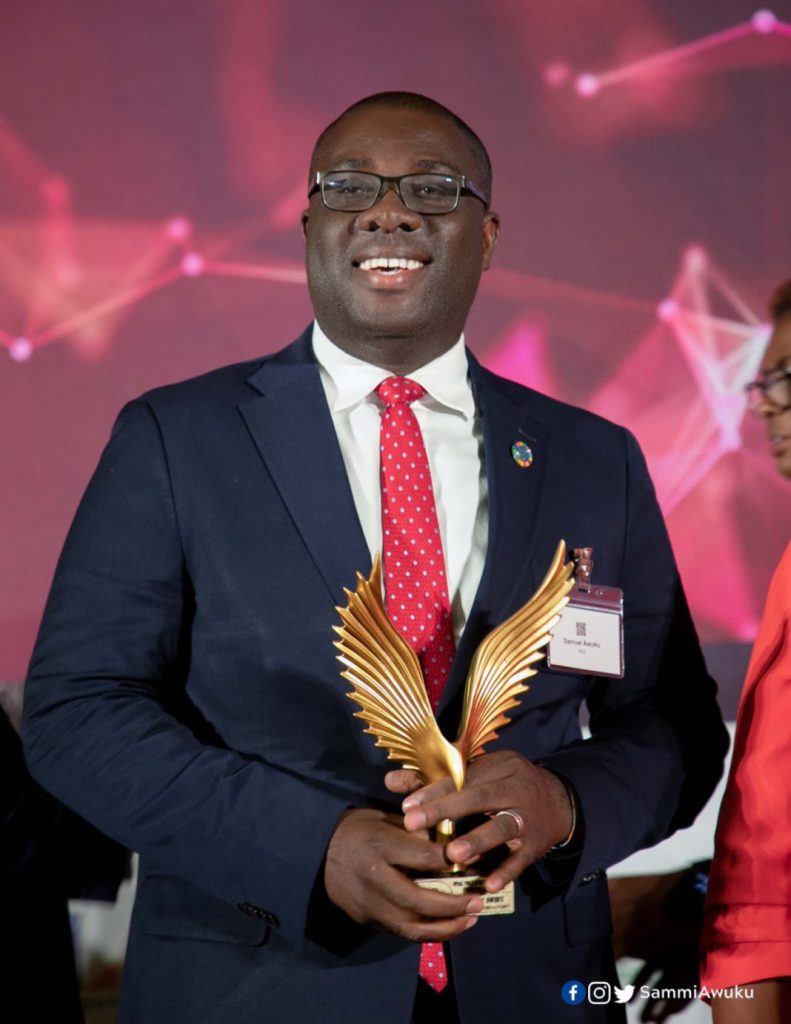
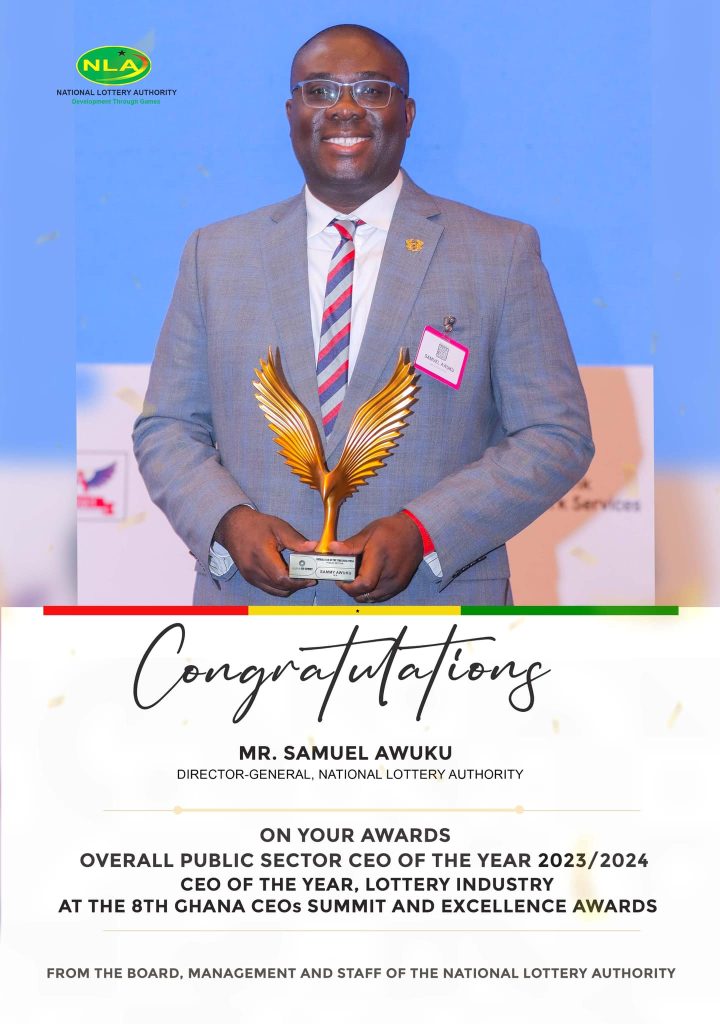
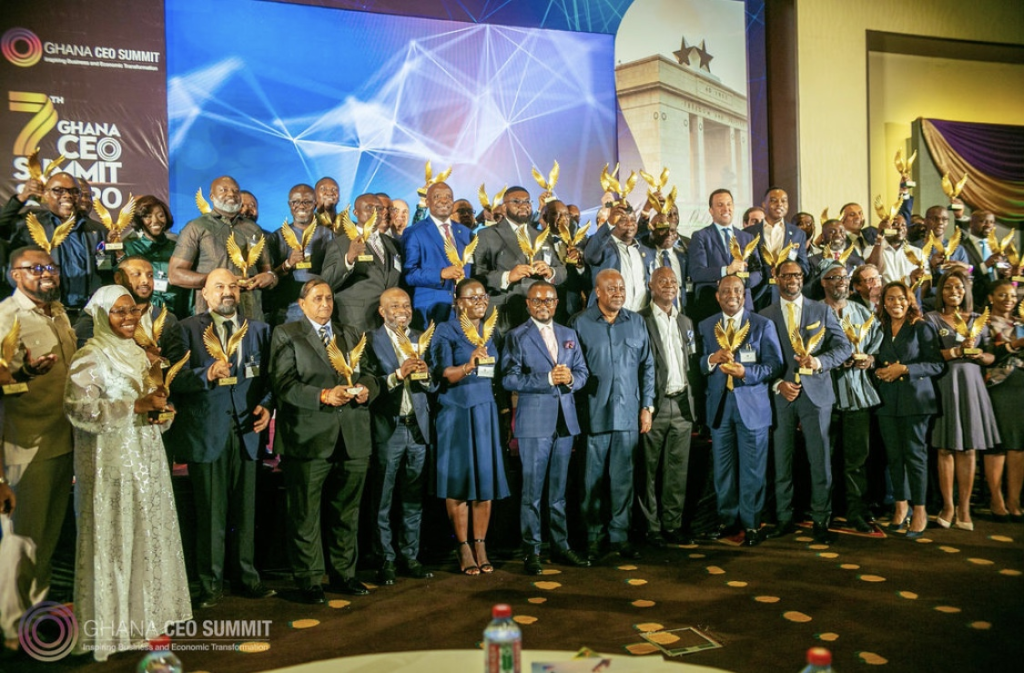
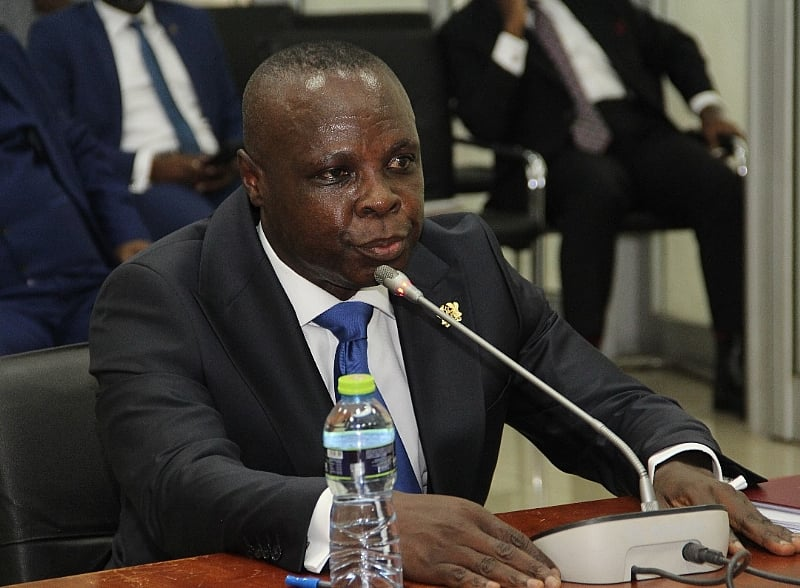
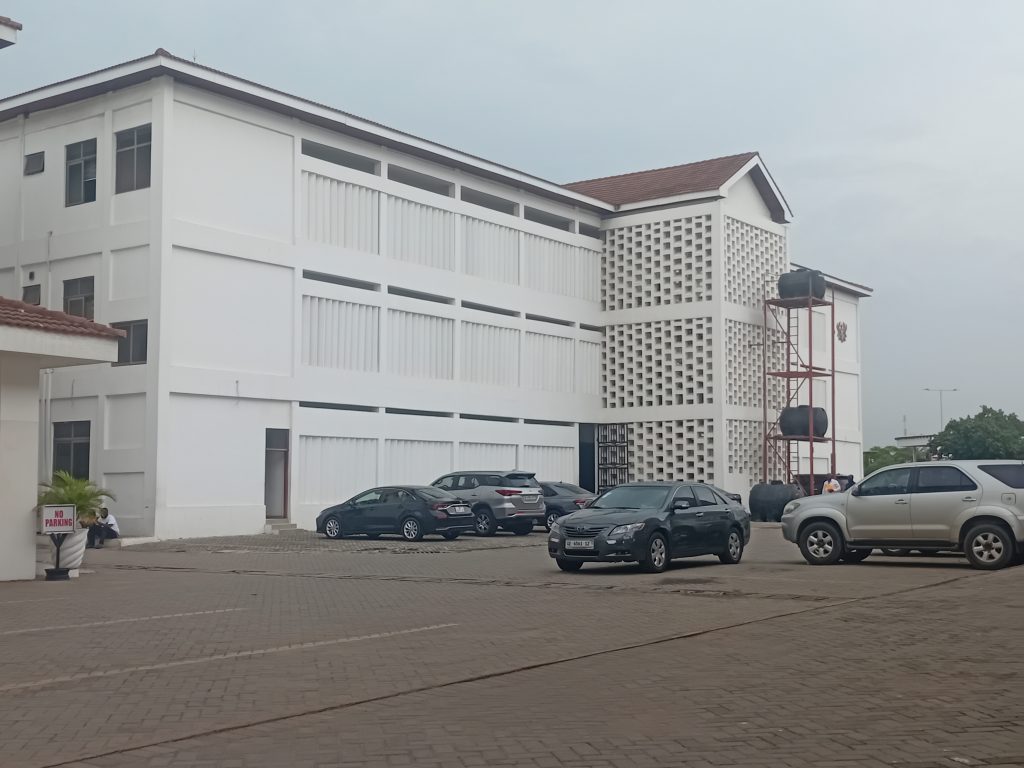
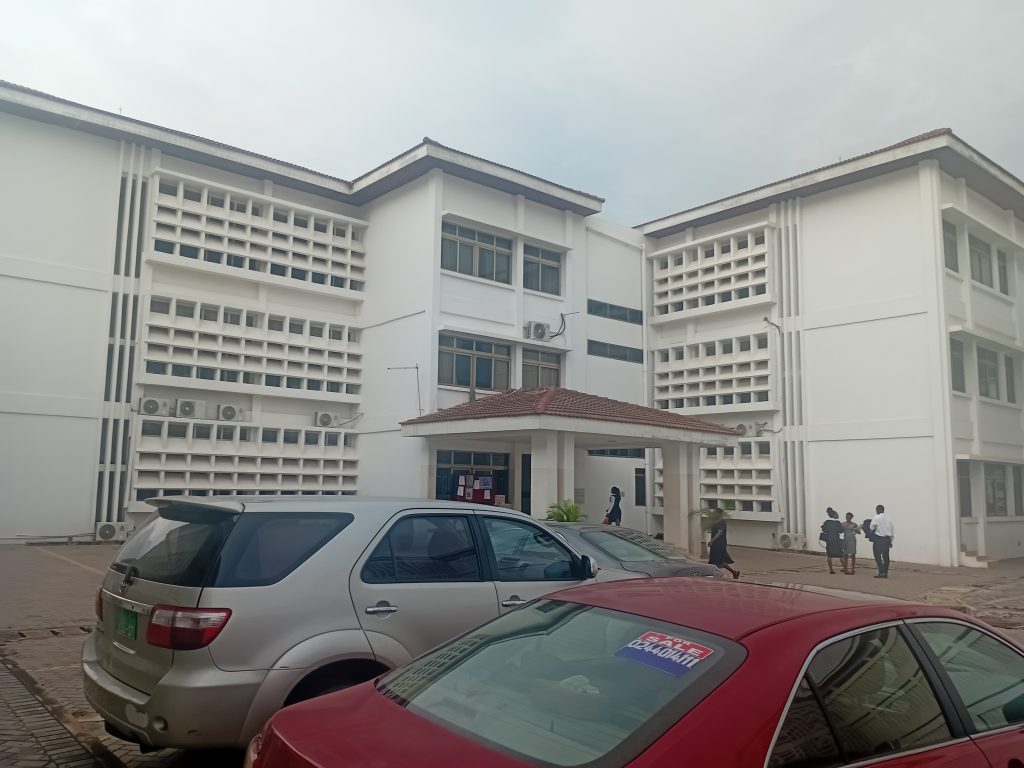
When business leaders from across the country lined up in 2023 and 2024 to receive awards from the Chief Executives Network, Ghana, the immediate-past Director General of the National Lottery Authority (NLA) was among those honoured.
On the surface, it seemed like the celebration of hard work, but the reason for honouring him may perhaps have had little to do with business acumen.
In 2023 and 2024, the Chief Executives Network, Ghana, organisers of the awards received multiple sponsorships from the NLA, totalling GHC350,000 for their events—business cocktails, CEOs summit, CEO Awards, and presidential gala dinner.
These funds were from the coffers of NLA Good Causes Foundation and were meant to provide “care and protection for the physically or mentally afflicted, the needy, the aged, orphans, and destitute children.”
However, these funds were pumped into questionable enterprises, including awards, galas, festivals, dinner events, and conferences, among others.
Overall Best Public Sector CEO, 2023
On the two occasions the NLA sponsored the CEO awards, Mr Awuku walked away with an honour. In 2023, he was adjudged the Overall Best Public Sector CEO. In that year, the NLA’s Good Causes Foundation blew GHC150,000 on the CEOs Summit.
The following year, the NLA spent GHC200,000 on the same event. Again, Mr Awuku retained his crown – Overall Best Public Sector CEO.
Again, in 2024, he received a ‘special recognition’ honour at the Ghana Gaming Lottery Awards, an event bankrolled with GHC100,000 from the NLA to Syndicated Entertainment Solution Limited, the organisers.
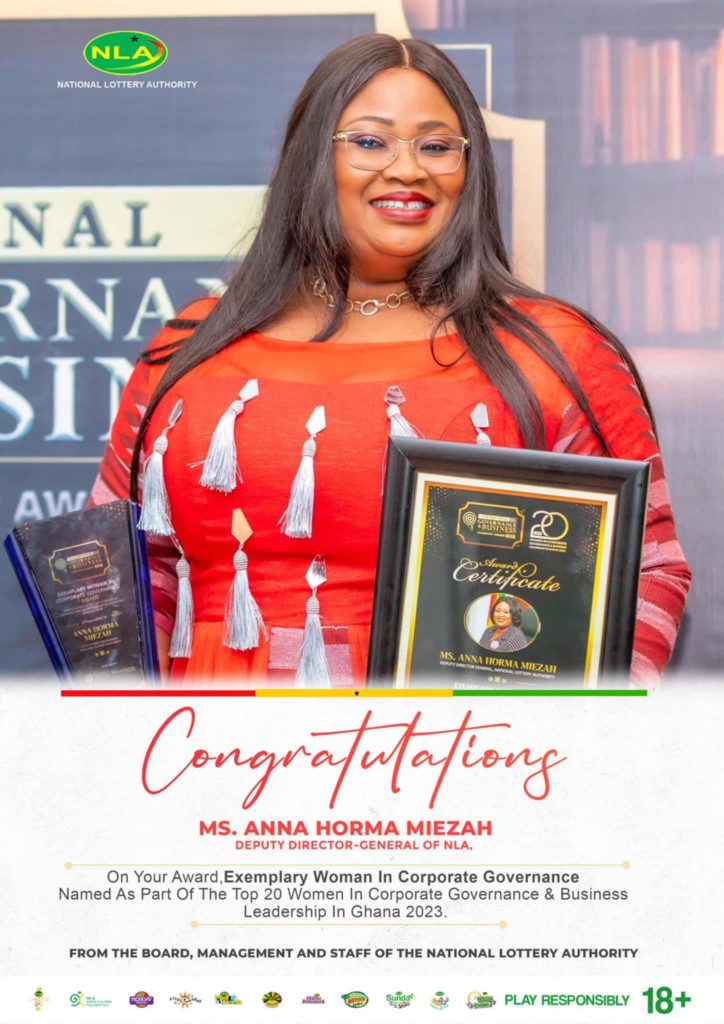
The story of his deputy, Anna Horma Miezah, is no different. In 2023 and 2024, the NLA doled out nearly GHC50,000 to the Governance and Business Boardroom, the organizers of the National Governance and Business Leadership Awards.
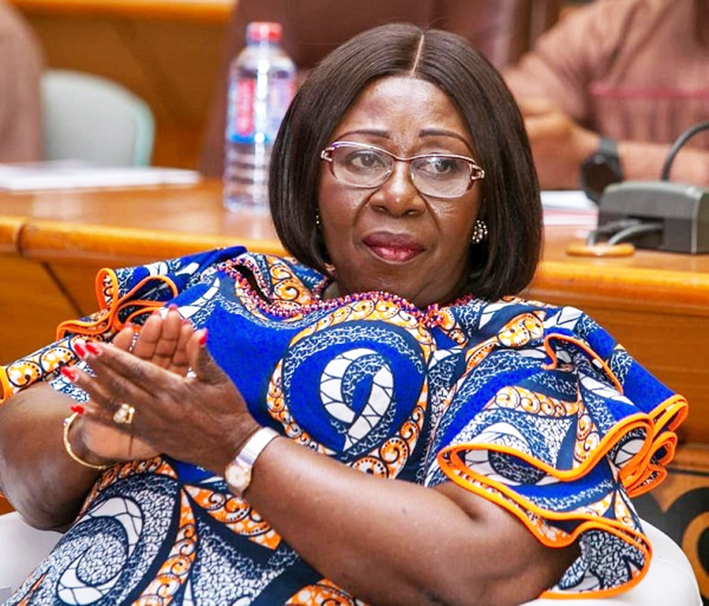
Top Transformational Deputy MD Leadership Award, 2023
In 2023, Ms. Miezah received the Top Transformational Deputy MD Leadership Award, an event the NLA sponsored with GHC20,000. The following year, the authority spent GHC26,940, and Ms Miezah was the recipient of the Exemplary Woman in Corporate Governance Award.
NLA documents also showed that any time the director general and his deputy won an award, there was a special publicity plan that included live presenter mentions on television and radio, as well as adverts on digital platforms and in newspaper publications.
When The Fourth Estate contacted Mr Awuku on the matter, he insisted that he won the awards on merit.
“For example, my first award, which I received in 2022/2023, the NLA supported it, but I was not an awardee,” he said. “I received an award in 2023 and 2024, but in 2022, the NLA supported. It was subsequently that I was awarded. Many of the organizations at the Ghana CEO summit support the organization of the CEO summit. It is not only the NLA.”
Contrary to Mr. Awuku’s claims, The Fourth Estate did not find evidence of the NLA sponsoring the CEO awards in 2022.
On the fenceless campus of a school at Battor Manya in the Volta Region, two boys aggressively stared at each other. They uttered no words. They just growled.
Then one of them took off, running towards an uncompleted building. The others followed.
The two suddenly stopped at the entrance of the building.
About 20 metres away, another group of children huddled together. They hugged and shouted names. One bulky student, with the voice of a ring-side announcer, screamed invectives that are common in coastal communities in Accra. They were directed at no one. His peers burst into laughter.
One of them started crying. The tears flowed unrestrained.
A teacher standing by smiled.
In everyday life, the sight of crying children can easily irritate or draw sympathy from parents, but in Three Kings Special School, learning to cry is part of the curriculum.
Unlike their counterparts without disabilities, some children living with intellectual disabilities are unable to express their emotions.
“Some of them don’t even know danger. They don’t feel any pain. If they’re in a situation in which there is pain, it is very difficult for them to express it,” the headmaster of the school, Wisdom Asantide, said. “Speech is a problem for them. So, if that person can cry, then you’ll know that something serious is happening to him or her.”
While the teachers and caregivers worry about the emotional growth of these students, there is also another big problem that keeps the school administrators scratching their heads. The school currently houses 115 students from age 12 to the mid-30s in two congested dormitories.
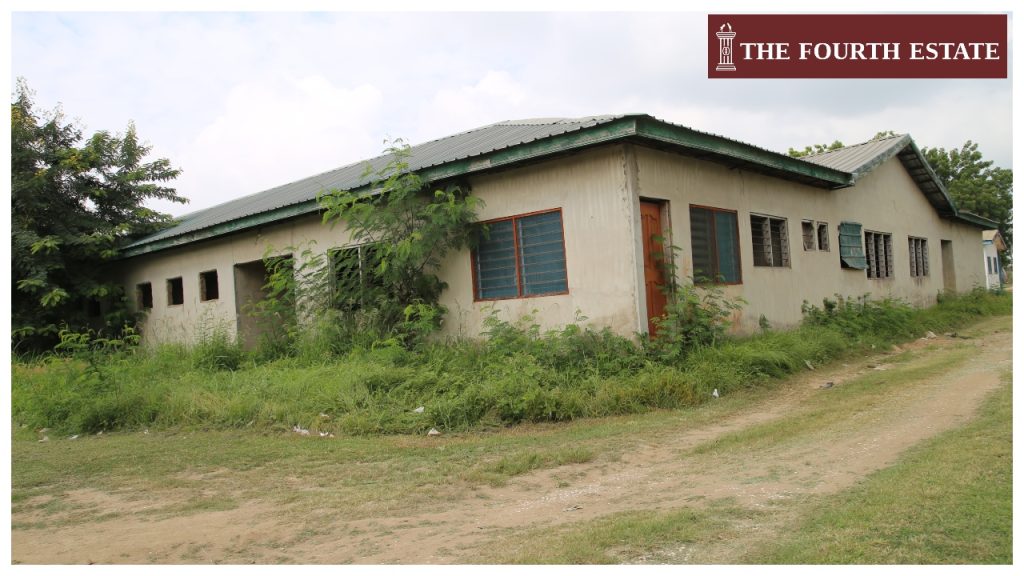
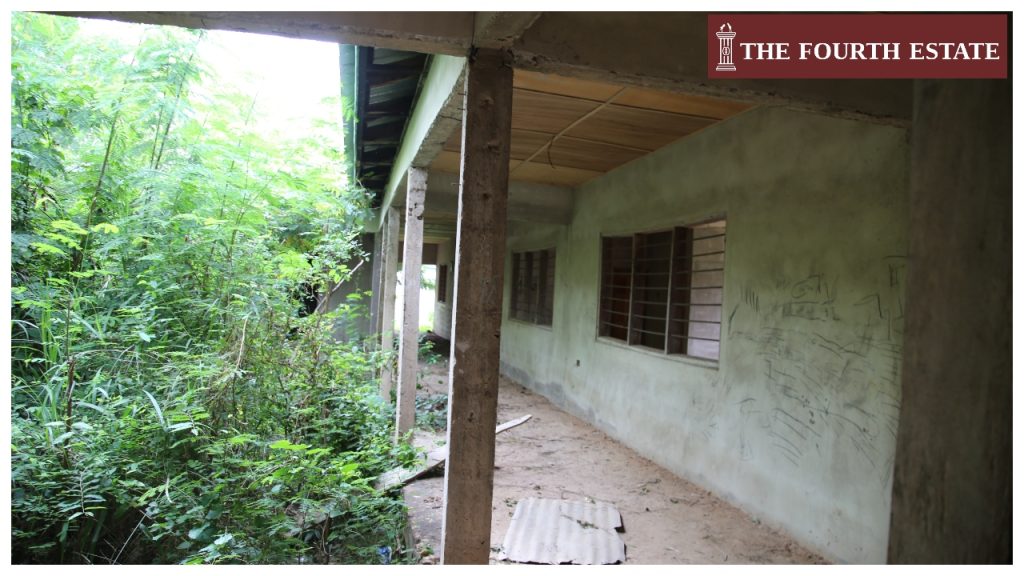
The building the boys had sprinted toward without a second thought, serving as a backdrop for their games, is itself part of the problem the headmaster loses sleep over.
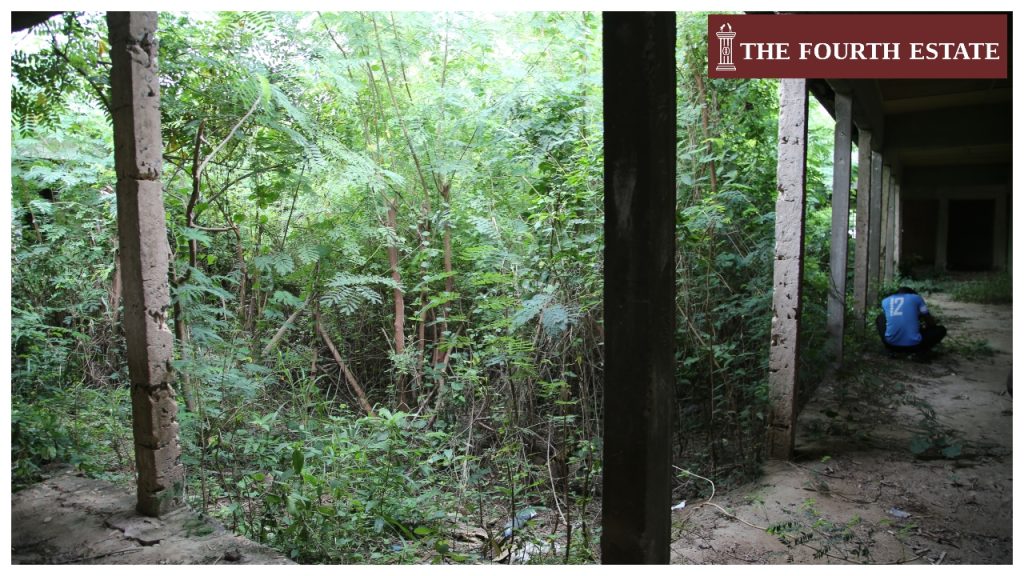
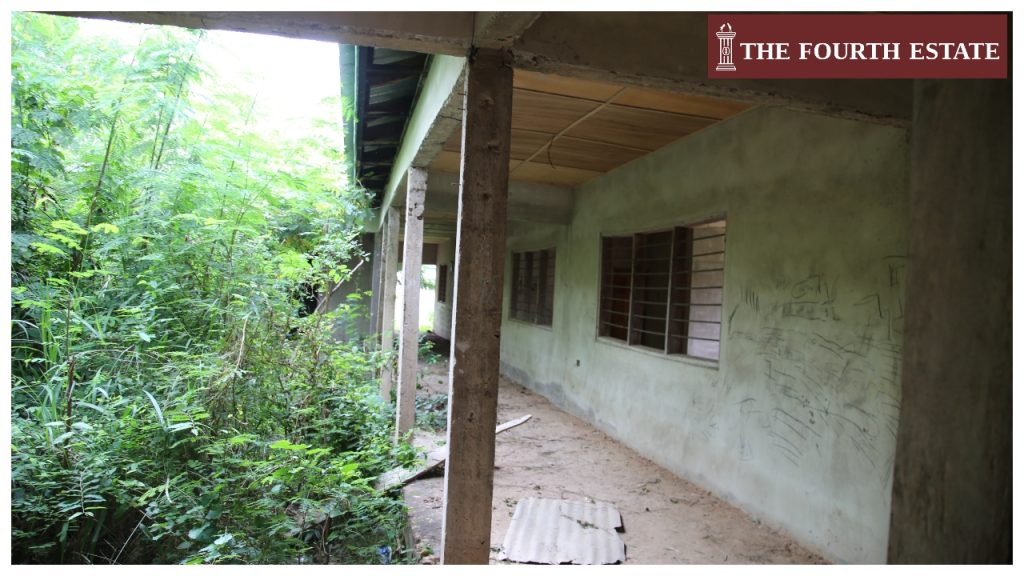
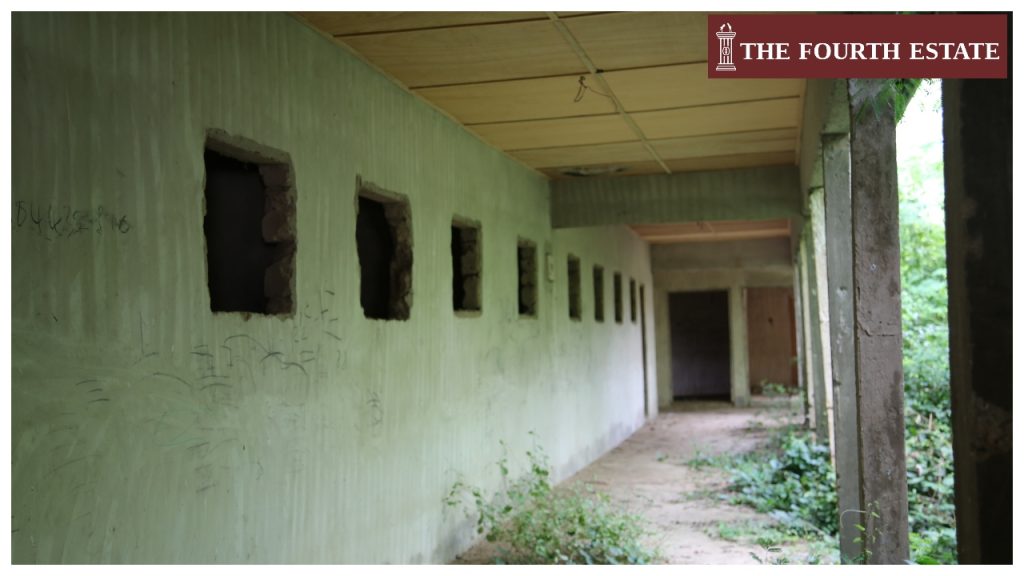
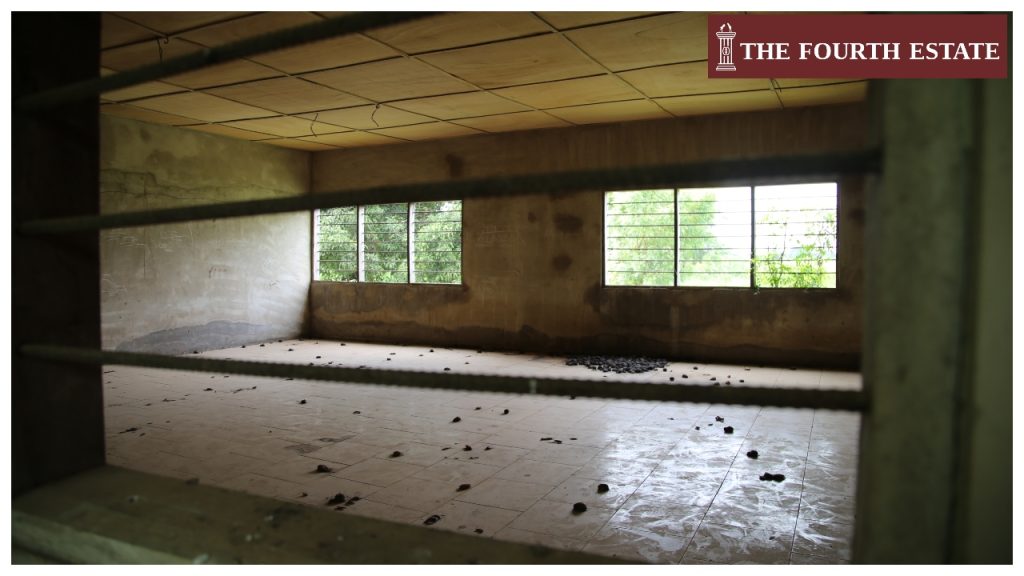
Inside the uncompleted four-block dormitory, which has stalled for more than a decade, nature has invited itself and turned the corridors into a habitat for tree, shrubs and creeping plants—a disturbing monument of waste.
Such is the nature of the thicket that one would struggle to walk through the verdant greenery. The entire space has the eerie appearance of a haunted home.
The project was meant to solve the accommodation needs of the students and caregivers who are forced into dormitories meant for 50 people but now taking 150.
But more than a decade later, it is now home to nature.
It was because of the needs of students and other vulnerable people like the learners in Three Kings Special School that the National Lottery Authority (NLA) Good Causes Foundation was set up.
However, the Fourth Estate has found questionable use of the funds.
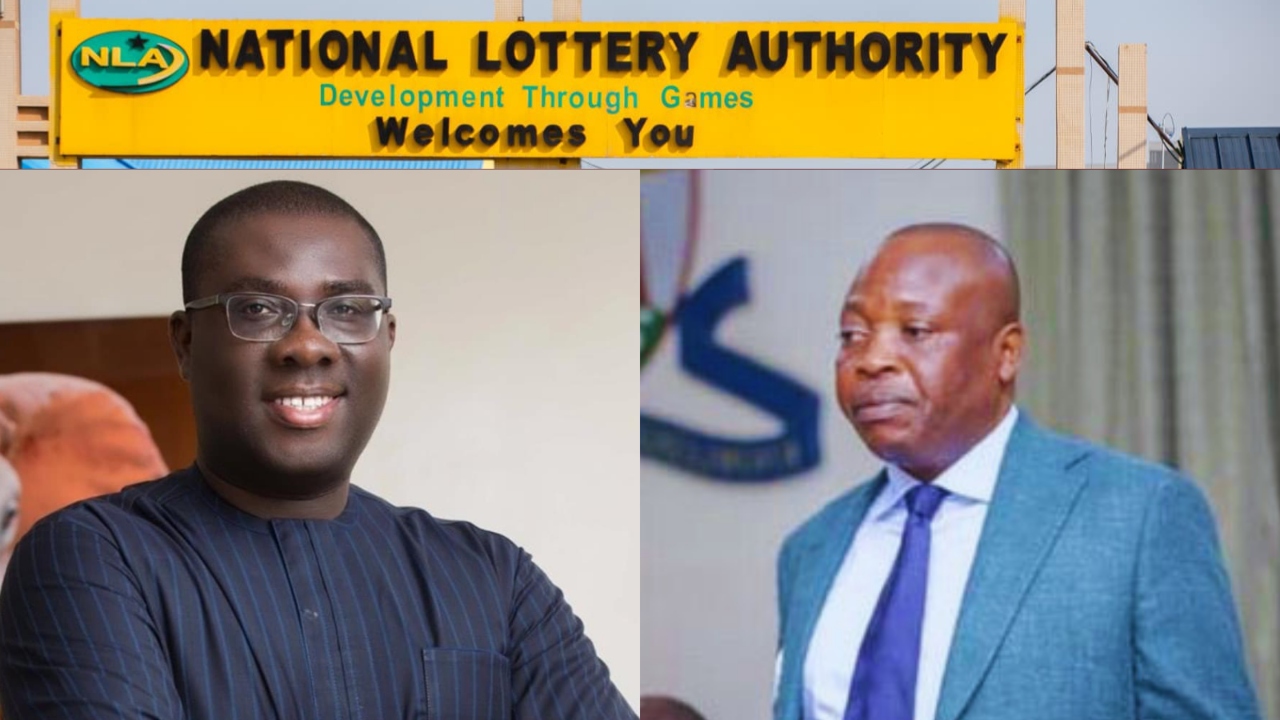
In 2021, the National Lottery Authority (NLA), under the leadership of Samuel Awuku, its then Director General, set up what it calls the Good Causes Foundation.
According to NLA documents, the foundation was established in response to provisions of the law that established the authority, requiring it to set up a special lottery for the needy in society.
The said law is section 2(3) of Act 722.
The section states, “There shall be conducted as part of the operation of National Lotto, a lottery with the object of providing care and protection for the physically or mentally afflicted, the needy, the aged, orphans, and destitute children.”
However, contrary to the purpose of the Good Causes Foundation as outlined in the said section, the foundation spent millions of cedis on glamorous events and other questionable enterprises from 2021 to 2024.
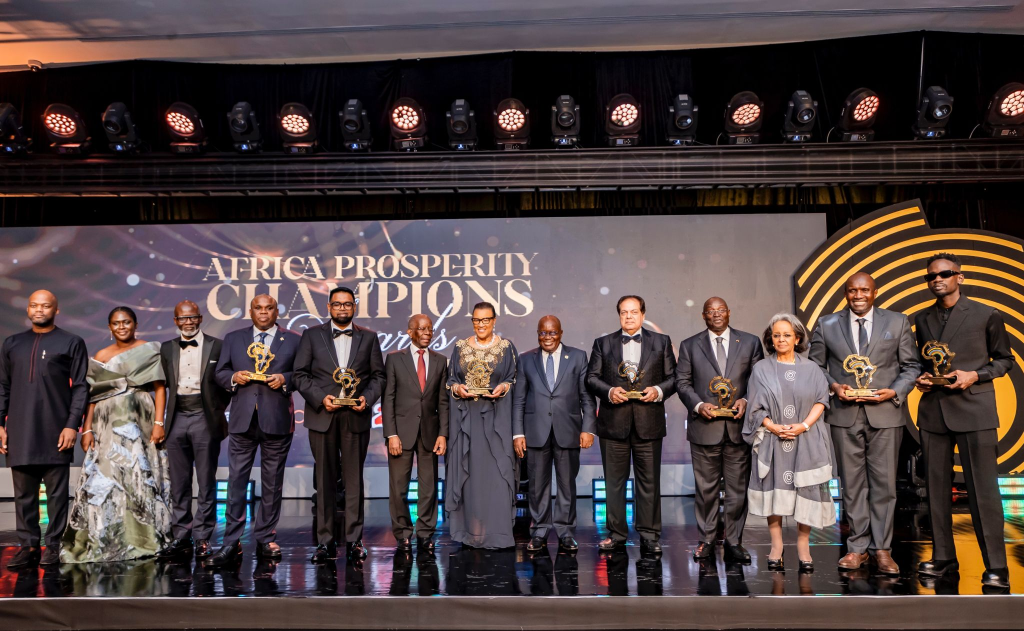
Data available to The Fourth Estate on the foundation’s disbursements shows that a lot of the money was spent on sponsorship of elite organisations and events. For example, while the EMY Africa Awards received GHC90,000, the Ghana CEO Awards got GHC350,000. Gabby Asare Otchere-Darko’s Africa Prosperity Network Awards had GHC250,000, while the GIPC’s Ghana Club 100 Awards had GHC400,000. The Ashanti Business Leaders Excellence Awards received GHC50,000, while Glitz Africa publications also got GHC80,000 for the Ghana Women of the Year award.
Funds meant for the needy were spent on some awards for some of Africa’s most powerful elites Winners of the CEO Awards in 2023
The Information Services Department (ISD) received GHC40,000 for its Government PROs Awards, and the Governance and Business Leadership Awards secured GHC20,000, while the then Ministry of Public Enterprises got GHC50,000 for a study tour of Singapore.
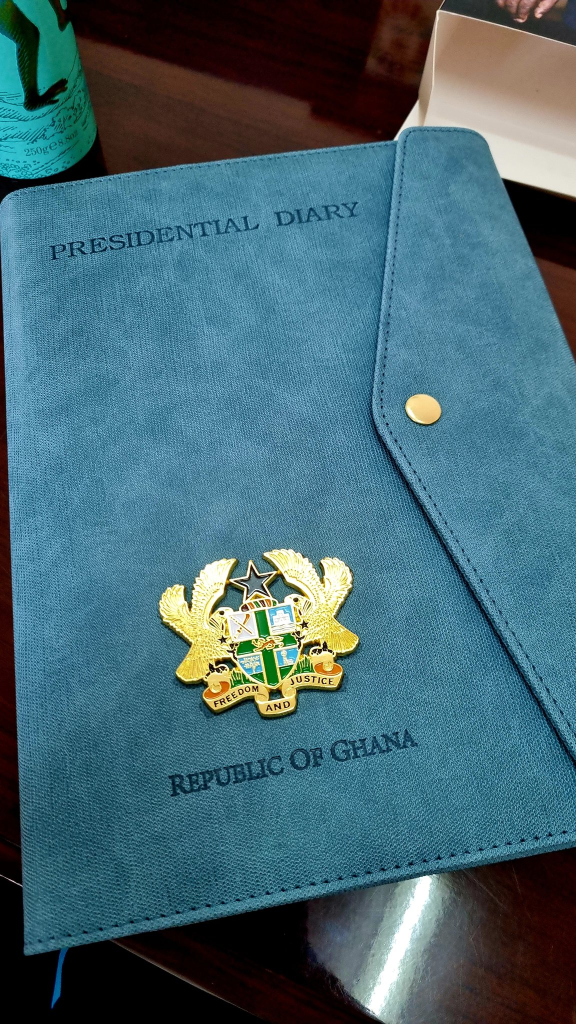
The National Labour Commission was handed GHC 180,000 for local conferences and GHC 70,000 to attend an international labour conference in Geneva, while GHC 50,000 was committed to the fifth anniversary celebration of the free senior high school programme. JIT Magazine and Diary also had GHC100,000 for the presidential diary publication.
It did not stop there. The NLA, under Mr Awuku, now Member of Parliament for Akuapem North, also spent funds meant for the destitute on the construction of police stations and an astroturf in the constituency he would later contest elections and win.
The NLA also gave out GHC50,000 for the memoir project of former Black Stars captain, Asamoah Gyan, one of the country’s richest footballers, who lives in a USD 3 million mansion.
There are many more …
The Chief of Staff’s office received GHC350,000 for the Independence Day fanfare, while MPs from both sides of the political divide received more than one million cedis for pet causes. Meanwhile, the Attorney General’s office had GHC570,000 for conferences and seminars.
THE then Chief of Staff’s Office/ Presidency received funding from the Good Causes Foundation
The NLA gave out these freebies at a time when psychiatric hospitals in the country remained chronically underfunded and overcrowded, and orphanages relied on charitable donations to survive.
Mr Awuku defends expenses
The immediate-past Director-General of the National Lottery Authority, Samuel Awuku, defended the Foundation’s spending, describing it as part of its mandate to serve society.
“The law allows the NLA, in consultation with its board and the Finance Ministry, to support broader obligations to society,” he argued, noting that the authority had also supported prisons, the Ghana Police Service, and community-based projects.
Mr. Awuku could not, however, identify specific provisions of the law that permitted such expenditures. Instead, he pointed to the pillars of the Good Causes Foundation – Health, Education, Sports and Youth Development, and Arts and Culture – as the basis for the spending.
“If you’re going strictly by the act, it would turn out that so many things that the NLA has been doing are illegal,” he told The Fourth Estate. “If you take the European Lottery, for example, their motto is for the benefit of society, so they don’t make profit. I realised that the very reason for the establishment of the NLA is to provide or support good causes and that’s [what] all lottery bodies all over the world [are doing].”
He also claimed that the use of the funds for such events was a marketing strategy to put the NLA in the minds of business owners to patronize the Caritas platform.
When The Fourth Estate noted that the law mandates the NLA to generate revenue for the state, Mr. Awuku responded that the authority “does not operate in isolation but as part of international bodies.”
Asked about Good Causes Foundation funds being used for Independence Day celebrations, he said it was not unusual, adding, “The Office of the Chief of Staff requests funding for some of these events.”
Former Coordinator declines to comment
When The Fourth Estate reached out to the former Coordinator of the Good Causes Foundation, Amma Frimpong, she declined to comment.
“Please, you do realise that I still work for the National Lottery Authority, and I’m bound by its laws and as such, I’m under no obligation to respond to anything outside its mandate?”
Editor’s note: Below is the list of the first 100 beneficiaries. The Fourth Estate will subsequently publish the full list of all beneficiaries.
Illegal miners at the RMG Apinto concession in Prestea Huni-Valley have accumulated nearly GHC3.5 million in unpaid electricity bills as of August 2025, The Fourth Estate has uncovered.
Their last payment to the Electricity Company of Ghana (ECG) was on July 23, 2025—just GHC 150,000.
The bills are ballooning despite assurances from the MP for the area, Robert Wisdom Cudjoe, who promised the ECG that the illegal miners would settle their debts after the National Security seized the concession from RMG Mining and handed it over to an NDC-aligned group.
Although the ECG has reported the matter to the police, no action has been taken against the illegal miners who are being led by a National Democratic Congress activist, Ebenezer Amemagakpor, alias Commander or Aboyanga.
The ECG staff say the group has threatened to shoot and kill them if they attempt to cut power to the site. The high-tension poles connecting the mine are now guarded by the same group controlling the mine.
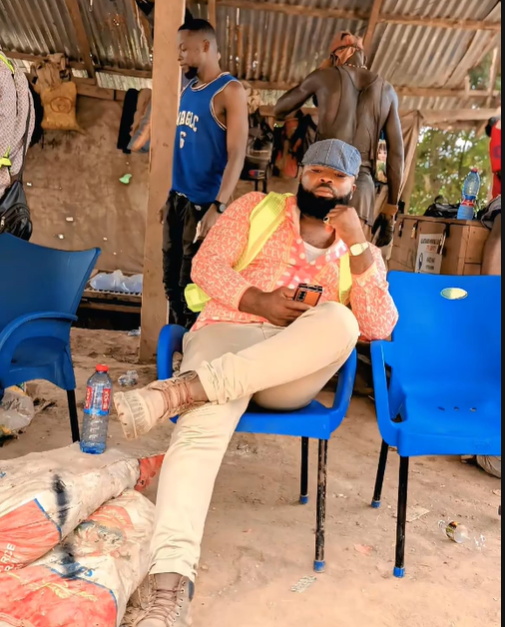
Ebenezer Amemagakpor alias Commander is the leader of the illegal miners
“We sent our staff to disconnect them because we have not given them permission to reconnect,” a source at the ECG head office in Accra told The Fourth Estate.
“When we went there to disconnect them, they came after us with thugs. They threatened us that if we tried to disconnect them, they would shoot us.”
Party officials in the constituency defend the MP’s involvement as a justified attempt to restore the concession to its rightful owners, who they claim were deprived of the mine by the Akufo-Addo administration.
The site was subsequently handed over to persons believed to be associated with the ruling National Democratic Congress (NDC) for illegal mining/galamsey. This group of illegal miners is led by Ebenezer Amemagakpor, alias Commander or Aboyanga, a known NDC activist who also runs a gold-buying agency, known as Nyame Tease. After the takeover of the site, which operates using high-voltage/high-power-consuming pumps, the legitimate mine owners, RMG Mining Limited, reported the matter to the Electricity Company of Ghana (ECG) and asked for power to be disconnected to the mine to avoid the accumulation of bills in RMG’s name.
ECG disconnected power to the site, but for a totally different reason. It claimed RMG hadn’t paid its bills, which at the time stood at GHC 1.1 million
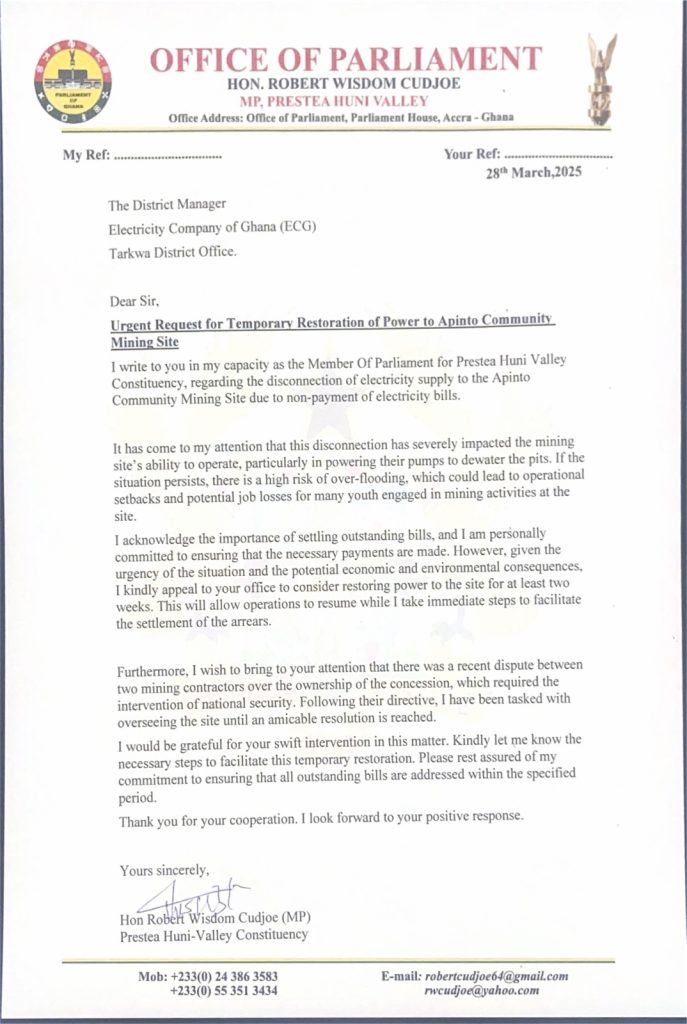
NDC MP for the Prestea Huni-Valley, Robert Wisdom Cudjoe, wrote to ECG to request for reconnection to enable what was illegal mining to continue
He told ECG that national security had tasked him to oversee the mine until the resolution of a supposed conflict over the ownership mine.
“I wish to bring to your attention that there was a recent dispute between two mining contractors over the ownership of the concession, which required the intervention of national security. Following their directive, I have been tasked with overseeing the site until an amicable resolution is reached,” Mr. Cudjoe’s letter to the ECG said.
In the letter, the MP described the site in question as a community mine site. But at the time of his letter, the government, under John Mahama, had banned all community mining, and so there couldn’t have been a community mine site.
As the unpaid bills pile up, RMG has written several letters to the ECG asking it to disconnect power to the site, but ECG officials told The Fourth Estate that they would not risk the lives of their employees
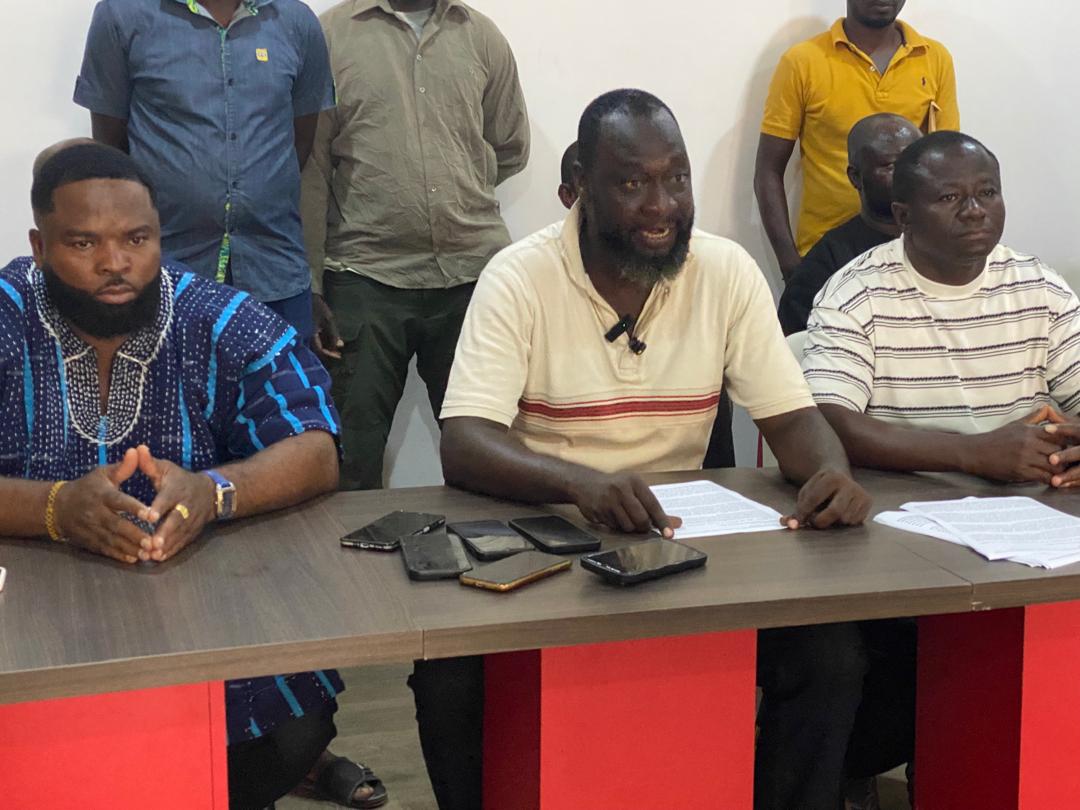
Days after The Fourth Estate exposed how a group aligned with the National Democratic Congress (NDC) forcefully took over a licensed mine in Prestea Huni-Valley with the support of National Security, an official of the party has confirmed the involvement of the Member of Parliament for the area.
At a press conference in response to The Fourth Estate’s publication, Mohammed Awal, the NDC Communications Officer for the constituency, told the media that the lawmaker had done nothing wrong. Again, the NDC Prestea Huni-Valley Communications Officer claims that the MP’s action was about “restoring sanity, ensuring rightful owners reclaim their operations, preventing further exploitation.”
Mr. Awal’s justification for the seizure of the concession belonging to RMG Mining was that prior to the New Patriotic Party coming to power in 2016, the mine had been operated by Task Mining, but through political machinations, officials of RMG snatched it.
Mr Awal also confirmed the involvement of National Security in the forceful takeover of RMG mine.
“Hon [Robert Wisdom] Cudjoe’s involvement was not to enable illegal mining but to restore order. Acting under National Security, the MP facilitated mediation efforts, including the Blue Gate meeting, to resolve longstanding disputes caused by these prior takeovers,” Mr. Awal said.
“Hon [Robert Wisdom] Cudjoe has consistently championed the interests of his constituents, prioritising lawful and community-driven mining practices over partisan exploitation.”
He also claims that the MP is not the problem but the solution, and adds that he (the MP) prioritises local stakeholders such Task Mining, the company which he claims was unjustly kicked out of the concession for RMG Mining to take over.
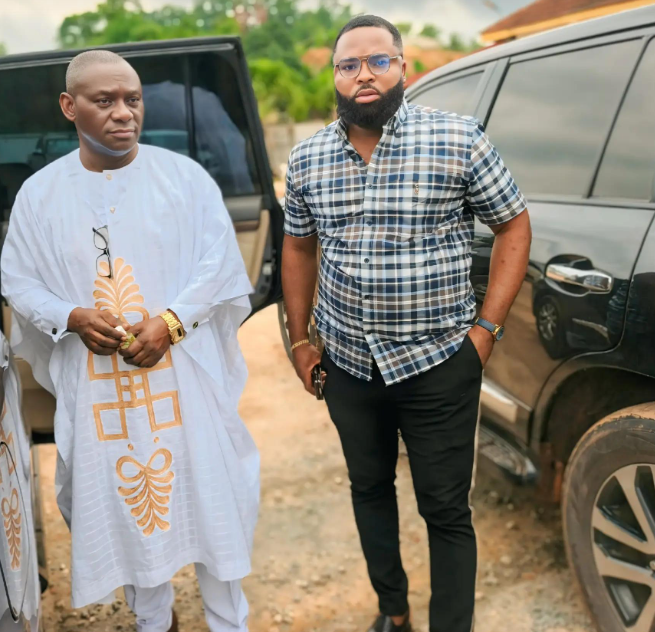
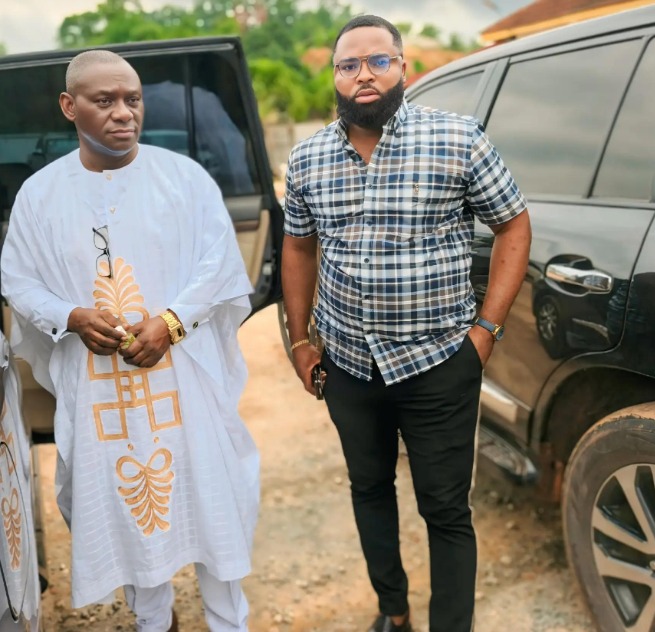
The MP for Prestea Huni-Valley(right), Robert Wisdom Cudjoe, with the NDC activist, Ebenezer Amemagakpor, WHO LEADS THE ILLEGAL MINERS AT THE Apinto site
The Fourth Estate’s searches at the Office of the Registrar of Companies revealed that Task Mining is not a registered company, nor does the company have a mining lease or an environmental permit as required by Ghana’s mining laws.
Our investigations, however, showed that RMG Mining was granted a five-year mining lease in June 2023, which expires in 2028.
RMG Mining also obtained a mining operating permit from the Minerals Commission in the same month and subsequently, an environmental permit from the Environmental Protection Agency (EPA) in October 2023.
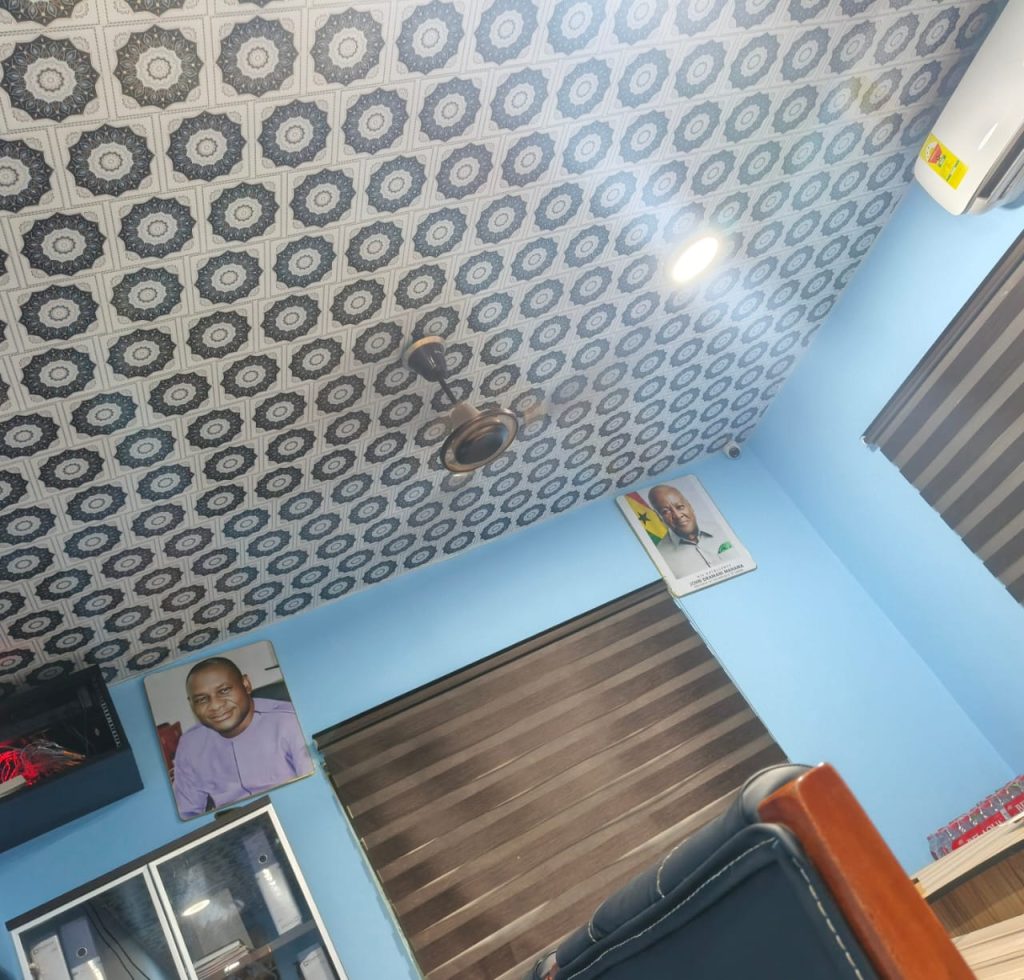
What Mr. Awal failed to mention is that, the illegal miners who took over the concession in March this year after National Security ejected RMG Mining have no legal right to be there – no mining lease, no environmental permit – just muscle and ammunition, and backed by political power. The takeover was led by NDC activist Ebenezer Amemagakpor, who now displays portraits of President John Mahama and the MP, Robert Wisdom Cudjoe, in the captured RMG office, a show of political muscle without paperwork.
Portraits of President Mhama and Presstea Huni-Valley MP, Robert w. Cudjoe, hang in the office of the illegal miners at the Apinto site
He also failed to mention that thugs employed by illegal miners on the RMG site have chased out officials of the Electricity Company of Ghana who attempted to cut off the power illegally connected to the site.
The site was subsequently handed over to persons believed to be associated with the ruling National Democratic Congress (NDC) for illegal mining/galamsey. This group of illegal miners is led by Ebenezer Amemagakpor, alias Commander or Aboyanga, a known NDC activist who also runs a gold-buying agency, known as Nyame Tease. After the takeover of the site, which operates using high-voltage/high-power-consuming pumps, the legitimate mine owners, RMG Mining Limited, reported the matter to the Electricity Company of Ghana (ECG) and asked it to disconnect power to the site to avoid the accumulation of bills in the company’s name.
ECG obliged and disconnected power to the site. However, this was for a different reason. It claimed RMG hadn’t paid its bills.
NDC MP for the area, Robert Wisdom Cudjoe, wrote to ECG to request for reconnection to enable what was illegal mining to continue
He told ECG that national security had tasked him to oversee the mine until the resolution of a supposed conflict over the mine.
“I wish to bring to your attention that there was a recent dispute between two mining contractors over the ownership of the concession, which required the intervention of national security. Following their directive, I have been tasked with overseeing the site until an amicable resolution is reached,” Mr. Cudjoe’s letter to the ECG said.
In the letter, the MP described the site in question as a community mine site. But at the time of his letter, the government had banned all community mining, and so there couldn’t have been a community mine site.
While the illegal mining boomed at the site, some foreign nationals joined. The Fourth Estate can reveal that at least six Chinese nationals were on the site as of July 17, 2025, operating and repairing mining equipment, in violation of Ghana’s Minerals and Mining Act, which prohibits foreigners from participating in small-scale mining.
Section 96 of the Minerals and Mining Act states that “a non-Ghanaian or a foreign company shall not provide mining support services for a small-scale mining operation.”
In March this year, a group of armed men, alleged to be National Security operatives, stormed a licensed mining site at Apinto, a community in Prestea Huni-Valley municipality in the Western Region, drove away the owners, and took over the site.
The site was subsequently handed over to persons believed to be associated with the ruling National Democratic Congress (NDC) for illegal mining/galamsey. This group of illegal miners is led by Ebenezer Amemagakpor, alias Commander or Aboyanga, a known NDC activist.
Ebenezer Amemagakpor, alias Commander or Aboyanga, is a known NDC activist
After the takeover of the site, which operates using high-voltage/high-power-consuming pumps, the legitimate mine owners, RMG Mining Limited, reported the matter to the Electricity Company of Ghana (ECG) and asked it to disconnect power to the site to avoid the accumulation of bills in the company’s name.
ECG obliged and disconnected power to the site. However, this was for a different reason. It claimed RMG hadn’t paid its bills.
NDC MP for the area, Robert Wisdom Cudjoe, wrote to ECG to request for reconnection to enable what was illegal mining to continue.
The member of Parliament for Prestea Huni-Valley poses with NDC activist Ebenezer Amemagakpor(Commander), who is in charge of the site.
He told ECG that national security had tasked him to oversee the mine until the resolution of a supposed conflict over the mine.
“I wish to bring to your attention that there was a recent dispute between two mining contractors over the ownership of the concession, which required the intervention of national security. Following their directive, I have been tasked with overseeing the site until an amicable resolution is reached,” Mr. Cudjoe’s letter to the ECG said.
In the letter, the MP described the site in question as a community mine site. But at the time of his letter, the government had banned all community mining, and so there couldn’t have been a community mine site.
“It has come to my attention that this disconnection has severely impacted the mining site’s ability to operate, particularly in powering pumps to dewater the pits,” Mr. Cudjoe wrote in the letter addressed to the Tarkwa District Manager of ECG, Benjamin Odame Thompson.
“If the situation persists, there is a high risk of over-flooding, which could lead to operational setbacks and potential job losses for many youths engaged in mining activities at the site.”
Power was subsequently reconnected, but ECG says it did not do it. Rather, ECG officials insist, it was the illegal miners who climbed the high-tension poles to reconnect the mine to the electricity grid.
ECG staff say they have been threatened repeatedly that they would be shot or killed if they attempt to cut power again. The high-tension poles connecting the mine are now guarded by the same groups controlling the mine.
“We sent our staff to disconnect them because we have not given them permission to reconnect,” a source at the ECG head office in Accra told The Fourth Estate.
“When we went there to disconnect them, they came after us with thugs. They threatened us that if we tried to disconnect them, they would shoot us.”
Chinese nationals at the site
While the illegal mining boomed at the site, some foreign nationals joined. The Fourth Estate can reveal that at least six Chinese nationals were on the site as of July 17, 2025, operating and repairing mining equipment, in violation of Ghana’s Minerals and Mining Act, which prohibits foreigners from participating in small-scale mining.
Section 96 of the Minerals and Mining Act states that “a non-Ghanaian or a foreign company shall not provide mining support services for a small-scale mining operation.”
Despite this, mining activities persist on the RMG concession with the active involvement of the Chinese illegal mining, while the site accumulates electricity bills.
ECG bills accumulating
The illegal mining operation continues and has racked up more than GHC2 million in electricity bills, ECG records show. Only GHC 150,000 has been paid as of August 4.
RMG Mining, the legitimate owners of the concession, continued to complain about the illegal takeover of their mine by alleged National Security operatives and the subsequent conversion of the mine into a galamsey site.
They were subsequently summoned to Blue Gate—the National Security Head Office in Accra.
The company’s managing director represented RMG Mining at the meeting. The MP also attended. The Managing Director of RMG, Osman Bukari, told The Fourth Estate that at the Blue Gate meeting, “the agreement was that [the MP] should allow me to go and start work. But we’ve never been allowed back.”
MP responds
The MP remembers differently.
The MP claims he was only asked to help resolve tensions between “two contractors” and insists he had no personal stake in the mine.
It is curious how National Security will become a mediator of a supposed dispute over a mine site, bypassing the regulator, the Minerals Commission.
When the MP was asked about this, he retorted, “Do you think National Security does not know about the Minerals Commission?”
When The Fourth Estate asked him which of the two factions contesting the concession he was backing to operate the mine, he said, apart from the National Security directive, his involvement had become necessary because of what he described as a leadership crisis at the site.
The MP, who is also a board member of the Minerals Income Investment Fund, added that the workers had been left at the site without direction.
However, Osman Bukari, the Managing Director of RMG, dismissed the claim and insisted that all workers of RMG Mining Limited were driven away from the site when National Security raided it.
The Alleged National Security Operatives WHO stormed the site
ECG sources say the matter was reported to the police, but the police have failed to act on it.
When contacted, the Western Central Police Commander denied knowledge of the incident, saying he was on leave when it happened.
National Security ignores request for interview
The Fourth Estate sent two letters requesting interviews with Col. Robert Talleh, the Director of Operations at National Security, and DCOP Abdul-Osman Razak, the National Security Coordinator, to clarify issues around its operations at the mine and the illegal takeover.
Neither of them has responded.
Col Robert Talleh, chaired the meeting between RMG Limited, the MP, and others.
The former Editor-in-Chief of The Fourth Estate, Manasseh Azure Awuni, last Friday told the Accra High Court that the lawyer for Lighthouse Chapel International, Kweku Paintsil, was one individual who could vouch for his credibility.
Under cross-examination by Lighthouse lawyers in a defamation suit by the church, Mr Awuni explained that he and Mr. Paintsil became friends following an investigation involving one of the lawyer’s clients because of the thoroughness of his (Awuni’s) work.
Mr Awuni’s comment came on the heels of the lawyer’s claim that the investigative journalist failed to contact the church on allegations that its hierarchy was forcing pastors to divorce their wives.
He implied that The Fourth Estate could not use a single instance to generalize that it had become the church’s culture to compel some of its pastors to divorce their wives.
Mr. Awuni disagreed. Citing another instance when a former Lighthouse pastor said he had been told to divorce his wife for not supporting his ministry, Mr. Awuni said the former pastors, not the reporters of The Fourth Estate, had called the practice a “culture.” He said Mr. Paintsil was fully aware of the rigour of his work, adding that Lighthouse Chapel had been unwilling to cooperate or respond to interview requests during the investigations.
“It is normal for an investigative journalist to go to a source from whom he is seeking information several times before the publication is ready, that is, if the source is prepared to respond. If there is anybody in this courtroom who can testify to this, it is the counsel for the plaintiff,” he said.
“In 2013, his client was involved in an investigation I was conducting. I contacted his client not less than five times before the story was done. At a point, he referred me to his lawyer, counsel for the plaintiff [Lighthouse lawyer], to respond to some of my follow-up requests or questions. I remember visiting his office about twice or thrice in Osu.
“This included taking documents to photocopy and return them. That is how counsel for plaintiff became my friend till today, because he was satisfied with the thoroughness of my work,” he said.
However, Mr Paintsil protested Manasseh’s reference to his client, saying “he cannot prove by any evidence before this court and the privacy of the matter and so on.”
“If he decides to put that issue in public, I have a duty to stop it. Privileged information cannot be put in public,” he said.
But a smiling presiding judge, Rev. Fr. Joseph Adu Owusu Agyeman, intervened.
“He is not bound by legal ethics. You’re bound by legal ethics,” the judge pointed out.
“Are you not his friend?” the judge asked.
“My lord, I’m not going to deny that he is my good friend, but when what he is saying raises issues that cannot be proven, and you can’t leave it without cross-examining,” he said.
At this point, the lawyer for the Media Foundation for West and Mr Awuni, Samson Lardy Anyenini, weighed in, saying Mr Awuni’s response was justified because of the Lighthouse lawyer’s line of questioning, which sought to create doubt about Mr Awuni’s work.
At the judge’s urging, Mr Paintsil dropped the matter.
Mr Awuni, however, emphasized that the engagement with the lawyer’s client in 2013 was because “the subject of the investigation was prepared to engage. In the case of the plaintiff, there was no avenue for engagement, so any follow-up request could not be made, which is sometimes the case even on the eve of publication.”
Earlier, the investigative journalist told the Court that The Fourth Estate went as far as reaching out to Archbishop Charles Agyinasare to connect journalists of the news portal to Lighthouse Chapel for an interview to address allegations of economic exploitation, including the non-payment of their Social Security and National Insurance Trust (SSNIT) contribution and emotional abuse levelled against the church.
But the church turned down the request for an interview and also refused to respond to a letter from The Fourth Estate about the allegations.
Meanwhile, a bishop of the Lighthouse Chapel International, Bishop Marcel Aboagye, admitted to the court on January 10, 2023, that the church “refused” to respond to a letter The Fourth Estate wrote for a response before publishing the “Darkness in the Lighthouse” series
“We suspected there was collusion between the former pastors, Kofi Bentil, and the defendants [The Fourth Estate]. We thought a response to the letter would mean giving away the potential defense to an imminent suit,” he told the court.
Below are excerpts from the cross-examination:
Kwaku Paintsil: At page three of your first publication, which is also page seven of our witness statement, you stated, “There’s a culture of abuse, exploitation, and pressure on pastors to divorce their wives all in the name of advancing the work of God.’
Manasseh Azure Awuni: I don’t recall the exact words. If I may have it to refresh my memory. [He’s given the document]. Contrary to what the counsel said, it reads: “The Fourth Estate delves into the lives of these six ministers of God, and what they say is a culture of abuse, exploitation, and pressure on some pastors to divorce their wives, all in the name of advancing the work of God.” Counsel took out what “they say” and inserted “there is” to sound as though it is a declaration by the publishers.
Q: Are you suggesting to this court that, as a publisher, you don’t owe any obligation to the public to verify the truth or otherwise of allegations you publish?
A.: My lord, we owe it to the public to verify, as much as possible, the allegation made by our sources. That is why we took various steps to get the side of the plaintiffs, even when our information was that they would not respond. I went with my colleague in court today, Seth Bokpe, in order to get the Plaintiff’s church to respond. Even when they told the revered man of God [Archbishop Agyinasare] that they would not respond, we wrote to the church. Again, they refused to respond. We asked some of the pastors if they have evidence to support what they said. On the claim of divorce, for instance, Bishop Oko Mensah said the meeting was not recorded, the meeting at which he was asked to divorce his wife was not recorded. But he remembered sending a WhatsApp message to his wife. Immediately after the meeting, he called and hinted her the meeting was about her. But he did not have the phone with him. He promised to look for that phone and produce the message. He did, and we attached it to the story and published it. We also had documents and correspondence from plaintiff’s church.
Q: Is it the one instance of Bishop Oko Mensah’ case which you characterized as a culture?
A. No, my Lord, we stated the cases of all six pastors and what they endured within the period. We, for instance, stated the case of Seth Duncan and what he went through. Contrary to the claim by counsel for the plaintiff that Seth Duncan’s marriage is intact, he filed for divorce as far back as 2022, three to four years after their separation. On those filings, Seth Duncan’s wife actually said, “He was suicide prone, the very issues he narrated in The Fourth Estate article.” My Lord, we also had to delete the account of one pastor, who said he was a former Lighthouse pastor. But because of his wife, who was terminally ill with cancer, he didn’t want the family to be drawn into the issue. This and others, as we narrated in the story, was what the pastors said constituted a culture of abuse, exploitation, and pressure on pastors to divorce their wives.
The case has been adjourned to October 31, 2025.
Background
Six former ministers of Lighthouse Church International sued the church in April 2021 for non-payment of their pension contributions, economic exploitation, and emotional abuse.
The church counter-sued the pastors and accused them of causing The Fourth Estate to publish “sensational” allegations, even before and after they came to court to sue the church.
The church also sued The Fourth Estate for defamation, claiming, among things, that the publications sought to suggest that the church was “not only intolerant but extremely callous, insensitive, inconsiderate, and cold-hearted in its treatment of and abandonment of its volunteers and employees with exacting demands calculated to house them out of their posts.”
The Lighthouse stories also contained the former pastors’ accounts of the sacrifices they made in establishing churches they were allegedly forced to abandon because of a church policy.
The LCI and The Fourth Estate have been in court since December 2021.
Eighteen High Court and Court of Appeal judges appointed in 2023 and 2024 have yet to declare their assets and liabilities, almost two years after their appointments.
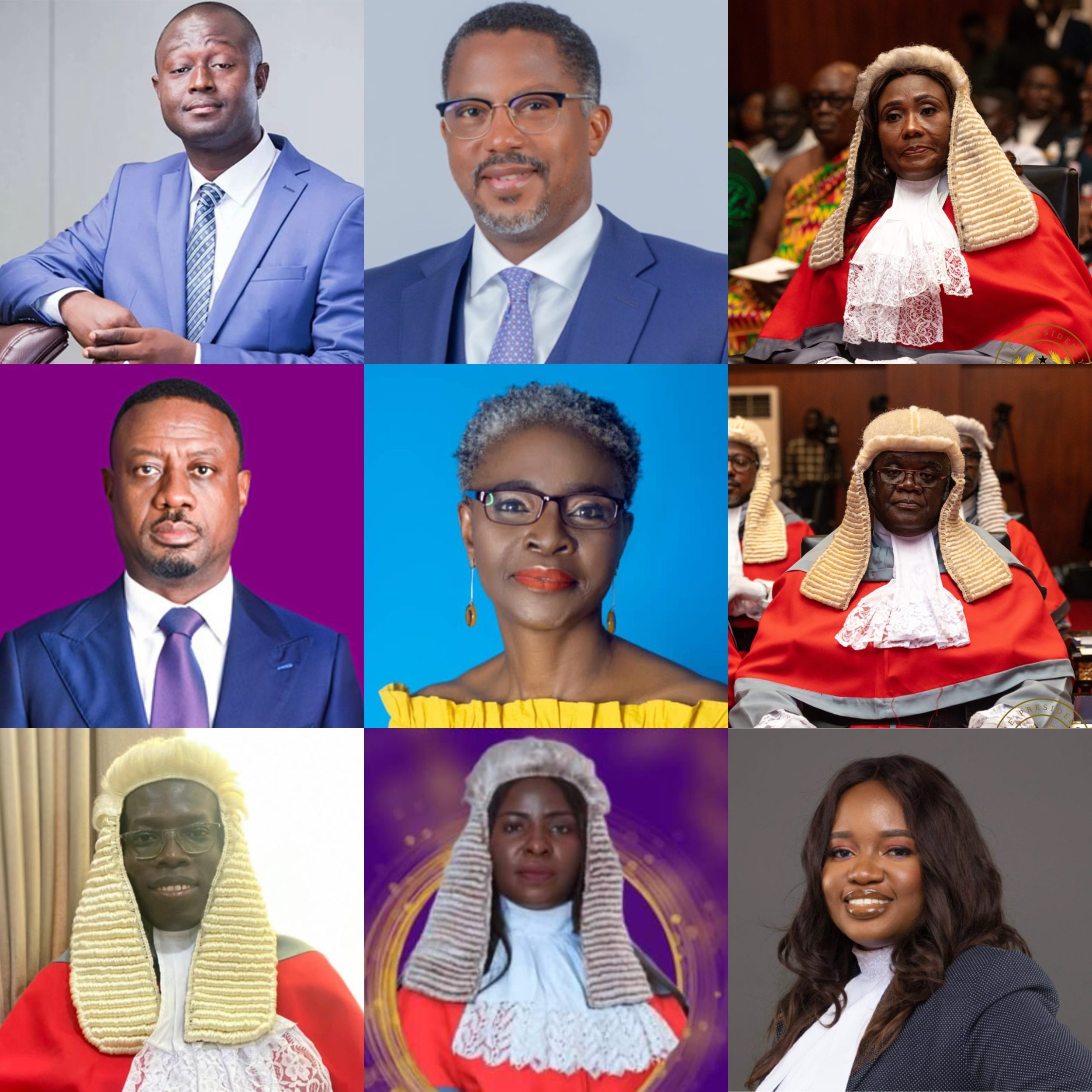
The non-compliance adds up to 22 judges from the country’s superior courts, including four Supreme Court judges, who have ignored the law since their appointments. They are part of more than 70 judges then President Nana Akufo-Addo appointed in 2023 and 2024.
Through a Right to Information request, The Fourth Estate found that these judges did not comply with the law as of April 17, 2025.
Notable names on the Court of Appeal list include Justice Dr Poku Adusei, a former director in charge of legal affairs at the National Communications Authority; Justice Charles William Leopold Bartels Zwennes, a former private legal practitioner; and Justice Lydia Osei Marfo, the judge who jailed infamous Chinese illegal miner Aisha Huang.
Others are justices Charles Gyamfi Danquah, Gifty Dekyem, Richard Mac Kogyapwah, Francis Koffie, and David Kwabena Adade Boafo. President Akufo-Addo swore them into office in July 2023.
Ten others in the High Court also breached the law.
The full list of the defaulting judges is below.
Name
Court
Date of Appointment
Justice Poku Adusei
Court of Appeal
July 23, 2024
Justice Charles William Leopold Bartels Zwennes
Court of Appeal
July 23, 2024
Justice Lydia Osei Marfo
Court of Appeal
July 23, 2024
Justice Charles Gyamfi Danquah
Court of Appeal
July 23, 2024
Justice Gifty Dekyem
Court of Appeal
July 23, 2024
Justice Richard Mac Kogyapwah
Court of Appeal
July 23, 2024
Justice Francis Koffie
Court of Appeal
July 23, 2024
David Kwabena Adade Boafo
Court of Appeal
July 23, 2024
Alexander Oworae
High Court
February 7, 2023
Kwesi Adjenim-Boateng
High Court
Feburary 7, 2023
Abigail Animah Asare
High Court
September 30, 2024
Veronique Praba Tetteh
Court Court
September 30, 2024
Samuel Djanie Kotey
High Court
September 30, 2024
Abbas Abubakari Adams
High Court
September 30, 2024
Agnes Opoku-Barnieh
High Court
September 30, 2024
Justice Afia Owusuaa Appiah
High Court
September 30, 2024
Justice Kizita Naa Koowa Quarshie
High Court
September 30, 2024
Justice Oliver Abada
High Court
September 30, 2024
According to Article 286 of the Constitution and Act 550, judges are required to declare their assets and liabilities upon taking office within six months. They are also obliged to repeat the declaration every four years after assuming office and at the end of their tenure.
However, these judges, some of whom have been in office for nearly two years, have flouted the asset declaration law, meant to fight graft and ensure that public officeholders do not use their positions to illicitly enrich themselves.
No response from judges
On May 28, 2025, The Fourth Estate wrote to the Judicial Secretary, requesting to know the asset declaration statuses of the 18 judges
None of them responded to the letter.
It is regrettable – Ghana Anti-Corruption Coalition
Reacting to The Fourth Estate’s findings, Beauty Emefa Narteh, Executive Secretary of the Ghana Anti–Corruption Coalition (GACC), said the judges’ non-compliance is regrettable.
“The judiciary plays a crucial role in upholding the law and must adhere to the highest standards of compliance, particularly with asset declaration,” she said.
“Enforcing a law while breaching it erodes public trust and undermines judicial integrity. To restore and maintain citizens’ trust, the judiciary should implement robust internal measures, including verification of compliance with asset declaration, and apply sanctions for non-compliance.”
Article 286 (1) of the 1992 Constitution states that “a person who holds a public office mentioned in clause (5) of this Article shall submit to the Auditor-General a written declaration of all property or assets owned by, or liabilities owed by, him whether directly or indirectly (a) within three months after the coming into force of this Constitution or before taking office, as the case may be, (b) at the end of every four years; and (b) at the end of his term of office.”
The Constitution requires the declaration to be made before the public officer takes office. However, Section 1(4)(c) of the Public Office Holders (Declaration of Assets and Disqualification) Act directs the public office holder to meet this requirement “not later than six months after taking office, at the end of every four years, and not later than six months at the end of his or her term.”
Critics of the two laws, including Mrs Narteh, say reforms are needed to make the laws conform to international best practice. They argue that verification and publication, which are absent in the current laws, should be added to the legislation.
Currently, Liberia, South Africa, Tanzania, Cape Verde, and São Tomé and Príncipe are the only African countries that allow the publication of assets declared.
Who must do the declaration?
The laws require that the President, Vice-President, the Speaker of Parliament, Deputy Speakers of Parliament, members of Parliament, ministers and deputy ministers of state, ambassadors, the Chief Justice and Judges of superior courts submit to the Auditor-General, written declarations of all property or assets owned or liabilities owed by them, whether directly or indirectly. Others required to make similar declarations are managers of public institutions in which the state has interest.
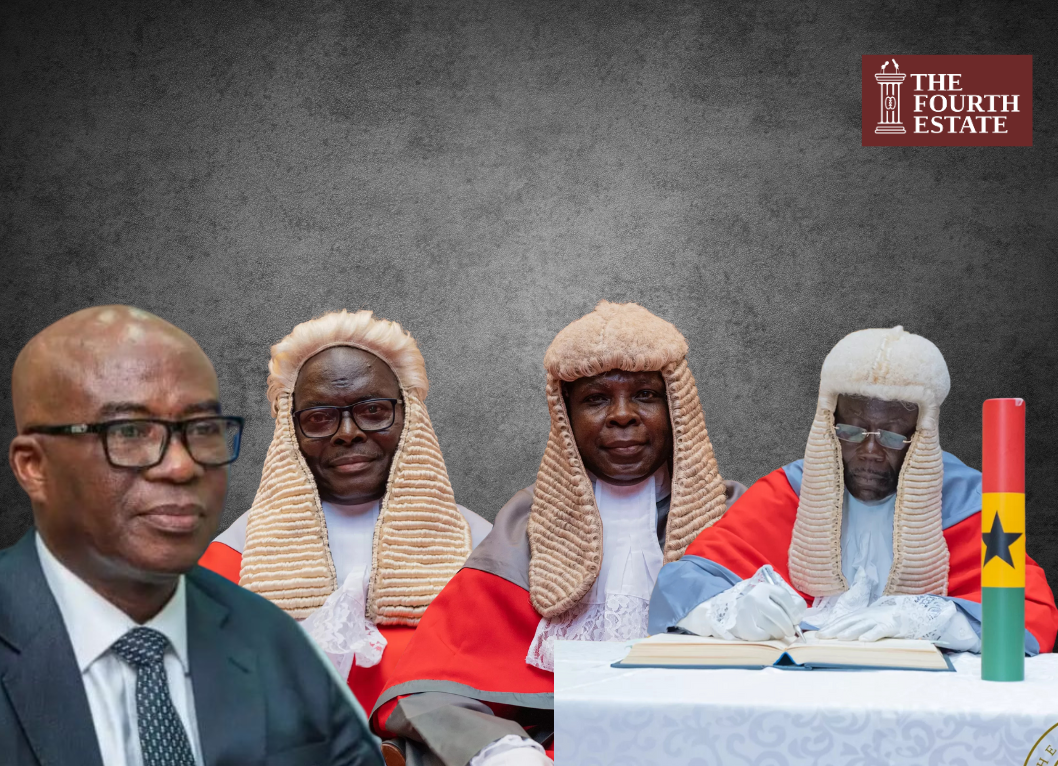
Four judges of Ghana’s Supreme Court, who were appointed in 2023 and 2024, have failed to declare their assets and liabilities in accordance with the law.
These legal brains, who rose to the peak of legal practice and swore to defend the Constitution, did not perform a key legal requirement of their office.
The Asset Declaration Law, Act 550, stipulates that public officeholders, including judges, declare their assets within six months after they are appointed.
The Fourth Estate obtained the full list of public office holders who had declared their assets by April 17, 2025, from the Audit Service through a Right to Information (RTI) request.
Justice George Kingsley Koomson
The data revealed that Supreme Court judge, Justice George Kingsley Koomson, has been in office for 24 months without declaring his assets and liabilities, as required under Article 286 of the Constitution and the Assets Declaration Law, Act 550. He should have complied with the law by October 2024.
Justice Koomson joined the bar as an assistant state attorney in November 1990 and became a Circuit Court judge in 2000. He rose to the High Court in 2008 and was appointed a Court of Appeal Judge in 2020. Three years later, he was elevated to the Supreme Court in April 2023.
Justice Henry Anthony Kwofie
Justice Henry Anthony Kwofie, who swore fidelity to the law on December 22, 2023, as a Supreme Court judge, also did not perform his constitutional responsibility by June 2024.
Justice Kwofie became a Circuit Court judge in 1998. Six years later, he rose to the High Court, where he spent nine years before he was appointed to the Court of Appeal in 2015 and then to the Supreme Court in 2024.
Yaw Asare Darko & Richard Adjei Frimpong
Two other Supreme Court justices – Yaw Asare Darko and Richard Adjei Frimpong – who both took office in January 2024, have also not fulfilled their asset declaration obligations. By June 2024, they should have both deposited their declarations with the Audit Service.
For Justice Darko, he joined the bench as a Court of Appeal judge in 2019 after decades in private practice. He was sworn into office by President Akufo-Addo on January 3, 2024 as a Supreme Court judge.
On the other hand, Justice Adjei Frimpong started his career as a district magistrate in 2003, became a circuit court judge in 2004 and a High Court judge in 2010. He was appointed to the Court of Appeal in 2020 before his promotion to the Supreme Court in November 2024.
This breach of constitutional duty raises concerns about transparency and accountability within the judiciary, especially given the critical role judges play in upholding the rule of law.
On May 28, 2025, The Fourth Estate wrote to the four Supreme Court judges, requesting to know their asset declaration status.
Only Justice George Kingsley Koomson responded.
A letter dated June 2, 2025, signed on his behalf, provided evidence of a declaration made on the same day.
Reacting to The Fourth Estate’s findings, Beauty Emefa Narteh, Executive Secretary of the Ghana Anti–Corruption Coalition (GACC), said the failure of the judges to declare their assets and obligations is regrettable.
“The judiciary plays a crucial role in upholding the law and must adhere to the highest standards of compliance, particularly with asset declaration,” she said. “Enforcing a law while breaching it erodes public trust and undermines judicial integrity. To restore and maintain citizens’ trust, the judiciary should implement robust internal measures, including verification of compliance with asset declaration, and apply sanctions for non-compliance.”
Article 286 (1) of the 1992 Constitution states that “a person who holds a public office mentioned in clause (5) of this Article shall submit to the Auditor-General, a written declaration of all property or assets owned by, or liabilities owed by, him whether directly or indirectly (a) within three months after the coming into force of this Constitution or before taking office, as the case may be, (b) at the end of every four years; and (b) at the end of his term of office.”
The Constitution requires the declaration to be made before the public officer takes office. However, Section 1(4)(c) of the Public Office Holders (Declaration of Assets and Disqualification) Act directs the public office holder to meet this requirement “not later than six months after taking office, at the end of every four years and not later than six months at the end of his or her term.”
Critics of the two laws, including Mrs Narteh, say reforms are needed to make the law conform to international best practice, including verification and publication.
Currently, Liberia, South Africa, Tanzania, Cape Verde and São Tomé and Príncipe are the only African countries that allow the publication of assets declared.
Supreme Court judges’ compliance
This is not the first time the justices of the Supreme Court have not lived up to the terms of the asset declaration laws.
When he appeared before the Public Appointments Committee of Parliament in 2019 to be vetted for the position of Chief Justice, Justice Kwasi Anin Yeboah admitted that he had not declared his assets and liabilities.
Justice Anin Yeboah had been a judge at the Court of Appeal from 2003 to 2008 before he was appointed to the Supreme Court in 2008. He also served as a High Court judge from 2002-2003.
In 2019, however, when the then Minority Chief Whip, Muntaka Mohammed Mubarack, asked when he declared his assets, he said his first declaration had been at the instance of Chief Justice Georgina Theodora Woode when he was appointed to the Supreme Court in June 2008.
“Last week, I filed it at the Auditor-General’s office,” he responded.
Before admitting that he had not declared his assets on the two occasions he was promoted, he said judges were overwhelmed with work, a reason they failed to meet the requirement.
The Fourth Estate’s checks indicate that when he retired as a Chief Justice in May 2023, Justice Anin-Yeboah did not conform to the anti-graft law by December 2023. He only complied with the law in December 2024—18 months after he retired.
Justice Nene Ofoe Amegatcher, who retired in February 2023, after five years on the bench, only submitted his asset declaration forms in January 2024 — five months late.
His peer on the Supreme Court, Prof Nii Ashie Kotey, who retired in February 2023, is yet to comply — more than two years after exiting office.
Comparatively, Justice Jones Dotse, who also retired in June 2023, complied with the law within three months after his retirement. Justice Clemence Honyenuga, who left office in September 2022, filed his declaration within six months.
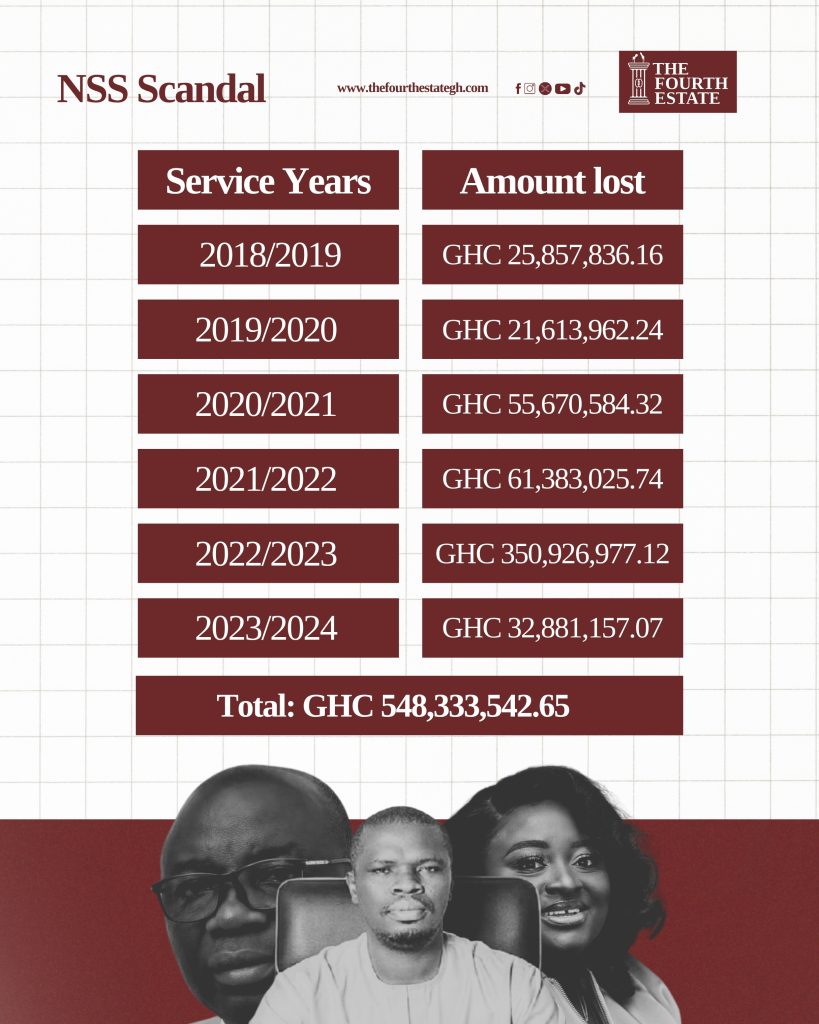
The Attorney-General is charging former officials of the National Service Authority for their involvement in the scandalous creation of thousands of ghost names to siphon more than GH¢548 million cedis from the public purse.
Two former NSS bosses — Mustapha Ussif (2017–2021) and Osei Assibey Antwi (2021–2025) — are among those set to face prosecution over a multi-million-cedi financial rip-off uncovered by The Fourth Estate last year.
They face charges including:
Stealing, contrary to section 124(1) of the Criminal Offences Act, 1960, Act 29.
Conspiracy to steal, contrary to sections 23(1) and 124(1) of the Criminal and Other Offences Act, 1960, Act 30.
Willfully causing financial loss to the state, contrary to section 179(C) of the Criminal and Other Offences Act 1960, Act 30
Using public office for private profit, contrary to section 179(C) of the Criminal and Other Offences Act 1960, Act 30.
Obtaining public property by false statements, contrary to section 5 of the Public Property Protection Decree 1977, SMC 140.
Money laundering, contrary to section 1, subsection 2C of the Anti-Money Laundering Act, 2020 Act 1044 and conspiracy to commit money laundering, contrary to section 3 of the Anti-Money Laundering Act, 2020 Act 1020.
The Attorney General and Minister of Justice, Dr Dominic Ayine, announced the prosecution of the former officials of the NSA at a press conference in Accra. It comes on the back of months of investigations by The Fourth Estate, which revealed how the NSA officials created ghost names as a conduit to drain the public purse at a time thousands of service personnel were owed allowances.
Also under fire is former Deputy Director Gifty Oware-Mensah, accused of using national service personnel’s allowances as collateral to secure a GHC 30 million ADB loan for her private business.
The rest are:
Kwaku Ohene Gyan, former Deputy Executive Director for Operations
Abraham Bismarck Gaise, former Internal Auditor
Eric Kwaku Adjei, an Account Officer
Iddrisu Ibn Abubakar, former Head of Accounts
Stephen Kwabena Gyamfi, former Regional Director for Koforidua
Prince Awuku, a District Director
Jacob Yawson, Management Information Systems Administrator in the Northern Region
Two others have not been named
The Attorney General and Minister of Justice, Dr. Dominic Ayine, also announced that vendors who conspired with officials of the NSA for a fictitious hire purchase scheme that defrauded the state would be equally prosecuted.
“This criminal enterprise was run by top-level executives of the National Service Authority and their accomplices in the private sector known as vendors or service providers. This criminal enterprise resulted in the siphoning of huge sums of public funds into private pockets,” he said.
The Attorney General’s investigations confirmed The Fourth Estate’s findings, which showed that there were wide disparities between the number of personnel announced to the public as service personnel and what officials of the authority reported to Parliament.
“Consequently, or consistently, these figures were inflated by huge numbers. During the fiscal year, the directors would write to the Minister of Finance requesting permission to utilise excess funds allocated in the budget of the National Service Authority,” Dr Ayine explains.
“Once authorised, the directors would transfer the funds into NSA’s project account at the Agricultural Development Bank, and under the pretext of executing projects, would divert the funds into private pockets.”
He continued, “Another criminal scheme hatched and exploited by the directors and staff is the deployment of ghost names onto the NSA system. Once deployed, the directors would then request that both ghost names and genuine names be transmitted by the accounts to the Ghana Interbank Payment and Settlement Systems (GHIPPs for payment.”
The Attorney General disclosed that a six-year comparative audit, spanning 2018 to 2024, uncovered massive payroll fraud. While 587,543 verified personnel were supposed to be submitted for payment, records from GHIPSS revealed that 650,165 people were actually paid. This exposes a staggering 63,672 ghost names smuggled into the system.
Over GHC 548,000 was siphoned through ghost names
Gifty Oware-Mensah’s scheme
Mrs Oware-Mensah was alleged to have pulled off her scheme by fraudulently registering a company—Blocks of Life Consult—using the personal details of unsuspecting individuals without their consent. Posing as a legitimate business, she presented the company to the ADB Bank through a middleman, Maxwell Akwesi Oforiminta. She enlisted her husband, lawyer Peter Mensah, as a fronting director. She claimed the company specialised in supplying home appliances to National Service personnel and proposed that ADB fund the venture on a hire-purchase basis, with the NSA handling deductions and repayments.
Although the company got the funds, it was not listed as a vendor for the Authority’s marketplace as a registered vendor.
The Attorney-General claimed that Mrs Oware-Mensah got a GH¢ 30.6 million loan from the ADB bank using 9,934 ghost names to siphon the funds.
On the fraud involving vendors, Dr Ayine says his office’s investigations showed that some of the ghost names were added to the list submitted by vendors, representing the number of service personnel to whom they had allegedly supplied items or provided loan facilities.
“When these vendors eventually received their payments, the directors and staff would then contact the vendors whose accounts had received payments, meet with them, and collect the additional money that had been added to the vendors’ payments,” he says.
Monies collected from this scheme were allegedly handed over to the former Director-General of NSA, Osei-Assibey Antwi, in cash and sometimes deposited into his bank account. In the 2023 service year, a total of GHC 8.2 million was deposited into Mr Antwi’s account.
A breakdown shows the vendor companies listed below and their owners received the following:
Company
Owner
Amount
Alfaira Ventures
Haruna Maulaya
GHC 21.3 million
Marine Ventures
Rose Hamilton
GHC 50.7 million
Option Buy Ventures
Isaac Asamani
GHC 11.4 million
A savings and loans company
GHC 167.6 million
Silsona Ventures
Sylvia Opare
GHC 10.7 million
Nyansapor Ventures
Jacob Yawson
GHC 19.1 million
Brainwave Ventures
Philomena Arthur & Stephen Kwabena Gyamfi
GHC 17.6 million
Alfarita Ventures
Solomon Dwanena
GHC 8.2 million
GH Ohetek Ventures
Charles Aheming
GHC 14.2 million
Kweku Opare Agofa & Prince Agofa Awuku
Fralisa Ventures
GHC 9 million
The Attorney-General said none of the vendors were able to produce evidence to support the items they supplied to the NSA, matching the amount of money they received.
He revealed that while some marketplace vendors and NSA staff offered to serve as prosecution witnesses, the prosecution team rejected their offers.
“Some of them offered to be prosecution witnesses, and we rejected their offers. They came, met with my deputy, we evaluated the evidence and thought that it would be inimical to the entire prosecutorial enterprise if we accepted; I mean their offers to serve as prosecution witnesses,” he said.
Background
The Fourth Estate investigation at the NSS revealed widespread corruption and payroll fraud, where tens of thousands of fictitious names were used to siphon millions of Ghana cedis from the State.
The findings showed that individuals not enrolled in national service, including the elderly, foreigners, and deceased persons, were fraudulently listed on payrolls. In one striking case, the name of a Kenyan man appeared on the payroll as an active service person.
On December 2, 2024, hours before the first part of the series of investigative reports on the scandal, a court bailiff served the Media Foundation for West Africa (MFWA), the parent organisation of The Fourth Estate, with an injunction order from the High Court.
This legal move followed The Fourth Estate’s public announcement that it was set to release a series of investigative stories on the National Service Scheme (NSS). Unbeknownst to The Fourth Estate, the NSS had filed an injunction application earlier that same day and obtained a court order in a manner that excluded the media organisation from the proceedings, effectively attempting to block the publication at the last minute.
The MFWA petitioned the Office of the Special Prosecutor (OSP) and the Operation Recover All loot (ORAL) team with its findings of the scandal.
Following the petition, a nationwide audit by the State revealed that over 81,000 ghost names were on the NSS payroll, resulting in an estimated GH¢112 million in losses in just one service year.
Litigants and accused persons who turned up at the various courts along the High Street in Accra were left frustrated and angry on Wednesday, June 11, after a blackout—popularly known as ‘dumsor’—brought court proceedings to a sudden halt.
Lawyers, dressed in black flowing robes and grey wigs, were seen fanning themselves to manage the sweltering heat inside the courtrooms. The unexpected outage occurred around noon, forcing judges to adjourn their scheduled cases.
Justice Enyonam Adinyira, the High Court judge set to preside over the cross-examination of witnesses in the case brought by six former pastors against the Lighthouse Chapel International for alleged economic exploitation and emotional abuse, was compelled to adjourn proceedings.
“The court cannot sit because of the power outage, and even though I am prepared to sit, it is impossible, and therefore, I have to adjourn the matter,” she stated.
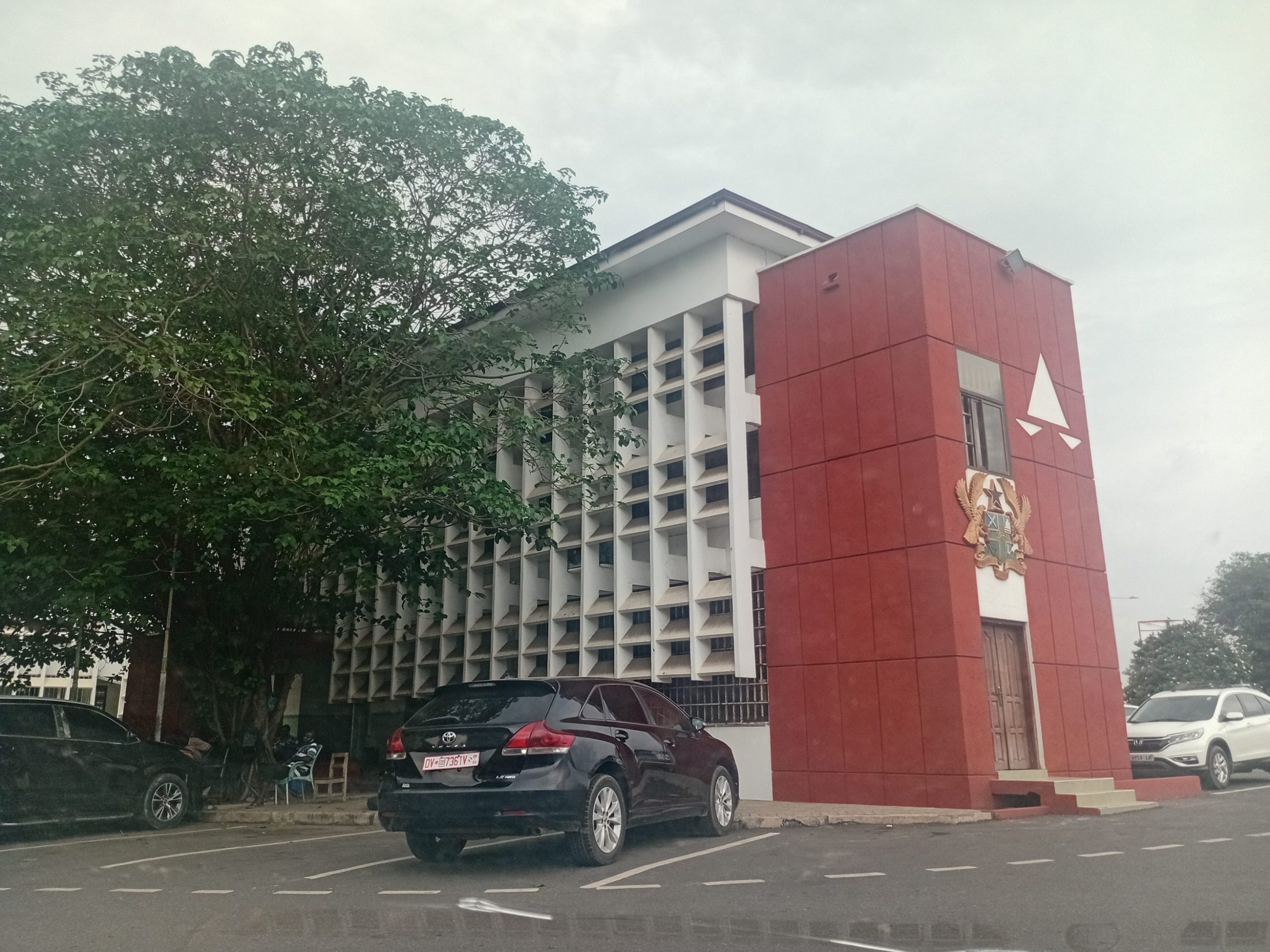
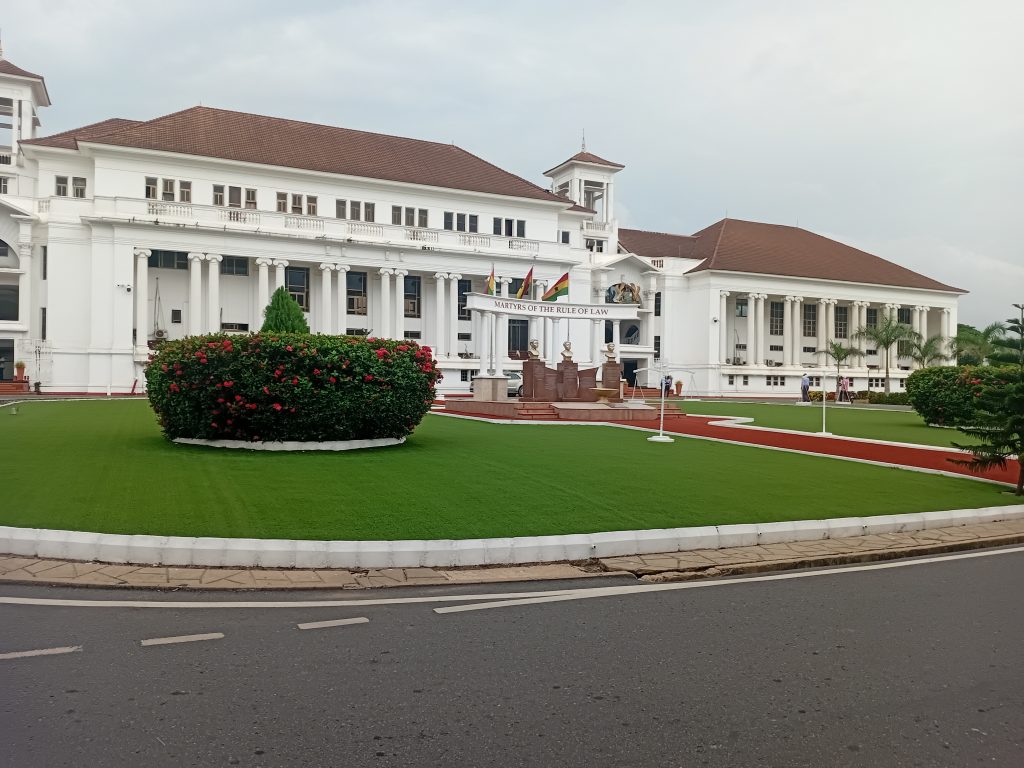
The incident affected the four buildings accommodating about 14 courts, including the Supreme Court and the Court of Appeal.
The Supreme Court and the Court of Appeal BUILDING were equally plunged into darkness
Kofi Bentil, lawyer for the six pastors, expressed disappointment over the disruption, saying it was frustrating.
“We have a two-hour cross-examination, and everybody is here. Unfortunately, we came to meet darkness in the court, and we have been waiting for more than an hour now, and the power is not back,” he said.
“The indication was that they don’t know when the power is going to come back. The judge is there, the court clerks are there, both lawyers are there, and the witnesses are there, but we cannot have the court because the court needs power to operate.”
Lawyer Bentil described the situation as an affront to justice delivery in the country.
“Honestly, it is bad. Nobody is in custody or anything, but imagine a person was in custody or anything, he will go back for one month because the power went off.”
He continued, “If for nothing at all, there will be an operation cost. All the lawyers brought here will have to be paid. The judge was there; she was prepared to sit throughout the period, but she couldn’t have it. The court clerks there will have to be paid; there is a real cost to these things. From now till the next adjourned date, you wouldn’t know what will happen.”
According to him, timely and effective justice delivery helps resolve societal issues, but any delay can worsen matters.
He urged national leadership to treat such setbacks seriously.
“We should, as a country, make sure we can avoid these things as much as possible. If power goes off in a court, there must be some sort of backup system. Now, all these courts are not working. If you can accumulate, it is serious.”
Mr Bentil proposed a long-term solution through a reliable power backup system.
“As a country, it is not beyond us to organize for our courts to have backup power. And if we cannot do a simple thing like this as a country, what can we do? Because leaders are to solve problems, and sometimes basic fundamental problems kill us,” he said.
“ You have a situation where lawyers are wearing coats, gowns, wigs, air conditioners back and forth and you can’t have a backup power? It doesn’t speak well of us as a country.”
Pastor Edward Laryea, one of the litigants in the Lighthouse Chapel case, also shared his disappointment.
“Those in charge must sit up because it is a disappointment to the citizen to be scheduled at the High Court, and then you will come, and the reason why a case cannot be heard is because of a light off,” he said.
He described the disruption as a trampling of his right to seek justice.
“Because this is an avoidable thing, and if the people in charge want the country to run, every court should have a backup. It looks like those in charge don’t take the judicial work serious. They don’t think it is important, and they are just joking with us,” he reiterated.
A court clerk, who asked not to be named, said it was not the first time the courts had been brought to their knees because of blackouts.
“It has been happening for some time now. The courts also handle life and death matters. We also deserve backup power for our work,” he said.
The courts in this building were all closed because of the blackout
Ghana has been grappling with an ongoing energy crisis in recent times, prompting the government to introduce a new energy sector levy. Under this new law, car owners are required to pay GH₵1 on every litre of fuel purchased. The revenue is intended to fund the fuel needed to power electricity plants and help offset the billions owed to power producers.
The government is counting on the new levy to raise additional revenue, GH¢5 billion annually on average, to support the payment of energy sector arrears, reduce legacy debt, and ensure a stable power supply across the country.
all the Circuit Courts in this building were closed because of ‘dumsor’
Data from the Ministry of Finance suggests the country owes $3.7 billion in energy sector debts. Part of this debt comes from the inefficiencies of the Electricity Company of Ghana, which has struggled to curb power theft and recover debts owed to it. This new measure echoes the Energy Sector Levy Act (ESLA) passed in 2015, which was also aimed at addressing the country’s growing energy debt. However, critics argue that ESLA funds were never used for their intended purpose, with the current Mahama administration alleging that the previous Akufo-Addo government collateralized the funds instead.
Some members of the Ghanaian public oppose the new levy, especially since it lacks a sunset clause that would indicate when consumers can expect to stop paying it.